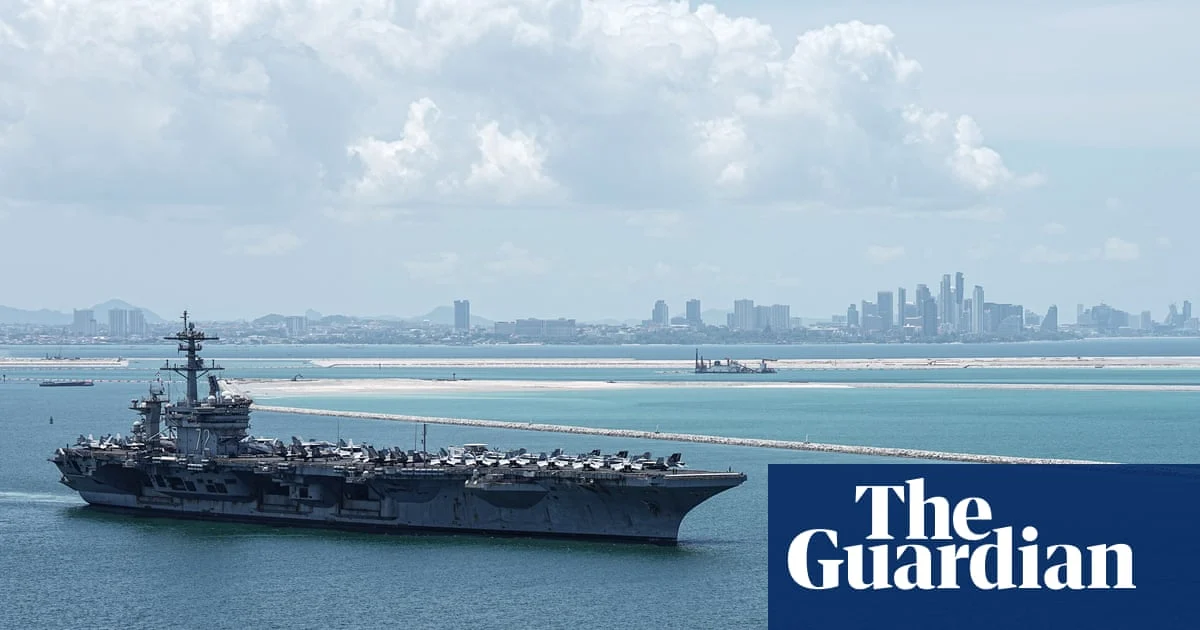
The USS Lincoln suicide attempts have been confirmed by the US Navy, with eight personnel assigned to the USS Abraham Lincoln carrier strike group attempting suicide during a lengthy deployment. The confirmation came from Acting Navy Secretary Hung Cao, who disclosed the number in a letter sent to Senator Kirsten Gillibrand in response to questions about living conditions aboard the fleet. This disclosure highlights ongoing concerns about mental health and well-being among service members during extended overseas operations.
The USS Lincoln suicide attempts underscore the strain that prolonged military deployments can place on personnel. These individuals were part of a broader mission tied to the US war on Iran, according to the letter. Cao noted that the eight attempts included crew members from multiple components of the strike group, including the carrier airwing, escorting destroyers, and embarked aviation squadrons. The situation raises urgent questions about whether current support systems are adequate for those serving under high-stress conditions.
Key Facts
- Eight US Navy personnel assigned to the USS Abraham Lincoln carrier strike group attempted suicide during deployment.
- Acting Navy Secretary Hung Cao confirmed the number in a letter to Senator Kirsten Gillibrand.
- The suicides occurred since the start of the ship’s lengthy deployment as part of the US war on Iran.
- The strike group included carrier airwing, escorting destroyers, and embarked aviation squadrons.
- The letter addressed concerns about quality of life aboard the fleet raised by Senator Gillibrand.
Who Is Affected?
The USS Lincoln suicide attempts involved personnel across various branches of the carrier strike group. This includes not only core crew members but also those from the carrier airwing, strike group staff, destroyer squadrons, and embarked aviation units. All individuals are part of the USS Abraham Lincoln’s deployment, which has been linked to operational duties related to the US war on Iran. The diversity of roles affected suggests that stress factors may extend broadly throughout the deployed force.
How Did We Get Here?
The disclosure stems from a formal inquiry initiated by Senator Kirsten Gillibrand, who sought information regarding the quality of life aboard the USS Abraham Lincoln. In response, Acting Navy Secretary Hung Cao provided details confirming the USS Lincoln suicide attempts. His reply, issued on behalf of Defense Secretary Pete Hegseth, aimed to address concerns about mental health and welfare conditions during extended military operations. The exchange reflects growing congressional interest in the psychological toll of long-standing conflicts.
What Happens Next?
The release of these figures is likely to prompt further scrutiny from lawmakers and advocacy organizations focused on veteran and active-duty mental health. While no specific actions were outlined in the letter, the acknowledgment of the USS Lincoln suicide attempts may lead to enhanced wellness checks, counseling services, or policy reforms within the Navy. Congress could also call for additional briefings or audits into how the military handles mental health during deployments.
What We Know — and What We Don’t
Verified by the source:
- Eight personnel from the USS Abraham Lincoln carrier strike group attempted suicide during deployment.
- Acting Navy Secretary Hung Cao confirmed the number in writing to Senator Kirsten Gillibrand.
- The letter responded to questions about quality of life aboard the fleet.
- The strike group operated as part of the US war on Iran.
Still unconfirmed:
- Exact dates or timeline of the suicide attempts.
- Whether any attempts were fatal.
- Specific causes or contributing factors behind the attempts.
- Current status or follow-up care provided to affected personnel.
- Broader frequency of similar incidents across other naval deployments.
Why It Matters
The USS Lincoln suicide attempts highlight a critical challenge facing modern militaries: maintaining mental health amid prolonged combat readiness. Extended deployments, isolation, and exposure to conflict-related stressors increase risks for depression, anxiety, and self-harm. Public awareness of such incidents plays a key role in pushing institutions toward transparency and improved support structures for service members.
What To Watch
Further congressional responses and official statements from the Navy Department are expected as details continue to emerge. Advocacy groups may also push for expanded mental health resources and oversight mechanisms.
Meta description: US Navy confirms eight suicide attempts among USS Lincoln strike group personnel during deployment tied to war on Iran.