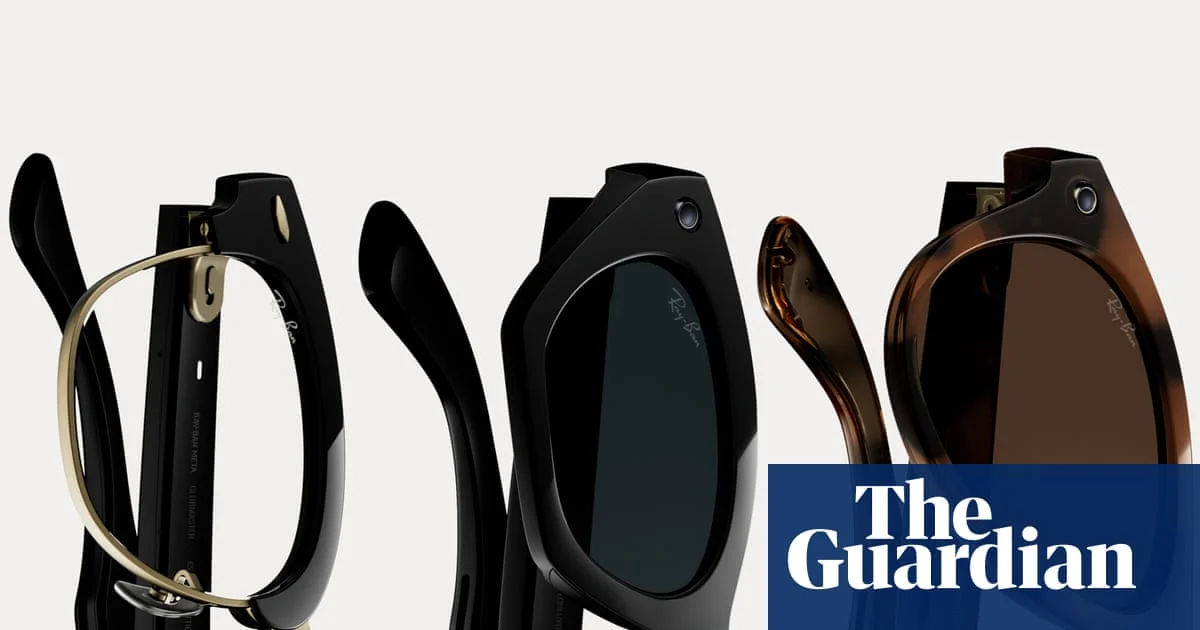
Meta debuted a new collection of smart glasses and virtual reality spectacles, including an audio-only version without a camera. The announcement came during the firm’s Meta Connect conference in Menlo Park, California, where executives highlighted advances in battery life and weight.
The new Ray-Ban Meta models aim to bring capabilities previously reserved for full headsets into a lighter form factor that rests on a user’s ears. This launch arrives amid ongoing uncertainty for smart glasses, which are facing backlash over privacy concerns.
Key Facts
- Meta announced new smart glasses and virtual reality spectacles on Wednesday.
- An audio-only version without a camera was included in the collection.
- Executives said the new Ray-Ban Meta models improve battery life and reduce weight.
- The glasses with screens in the lenses pack full headset features into spectacles.
- The launch addresses privacy concerns affecting smart glasses adoption.
Story
What happens next?
Following the reveal, the devices will move toward consumer availability, though exact release dates and pricing remain unconfirmed by the source. Industry observers are watching how Meta addresses privacy concerns that have slowed smart glasses adoption. Future software updates and developer support will likely determine whether these smart glasses gain broader traction.
The audio-only variant addresses earlier criticisms about always-on cameras in wearable devices. By offering a camera-free option, Meta appears to respond directly to user hesitancy around recording features. This variant may appeal to users who want voice assistance or audio content without visual capture abilities.
Analysts note that balancing functionality with privacy will be key. The success of these smart glasses depends on consumer trust and clear value propositions beyond novelty.
Who is affected?
Consumers seeking wearable technology are the primary audience for these new devices. Privacy-conscious users may find the camera-free option appealing, while tech enthusiasts could be drawn to the VR spectacles and screen-lens capabilities. Competitors in the wearable space will also feel pressure to respond with similar offerings.
Developers and content creators may benefit from expanded platforms for immersive experiences. The lighter form factor could attract users hesitant to adopt bulkier headsets, potentially widening the market for virtual and augmented reality applications.
Enterprise users in fields like design, training, and remote collaboration represent another key group. If these smart glasses deliver on promised capabilities, they may find use cases in specialized professional environments.
What We Know — and What We Don’t
Verified by the source:
- Meta announced new smart glasses and VR spectacles.
- An audio-only version without a camera was part of the lineup.
- Executives claimed improvements in battery life and weight.
- The event took place at Meta’s Connect conference.
Still unconfirmed:
- Specific release dates for the devices.
- Pricing details for any of the models.
- Technical specifications beyond battery and weight.
- Whether the privacy backlash will subside with these releases.
Why It Matters
This launch reflects Meta’s continued push into wearable technology despite earlier setbacks in the smart glasses market. As major platforms evolve beyond smartphones, companies are betting on lightweight devices that blend into everyday use. The balance between innovation and privacy will shape how widely these products are adopted.
What to Watch
Consumer reactions and adoption rates will signal whether Meta’s approach resonates. Regulatory responses to privacy concerns could also influence future development directions.
Meta’s smart glasses debut responds to market demand for less intrusive wearables. The company’s ability to follow through on battery life and weight claims will test whether these devices overcome the backlash facing smart glasses today.