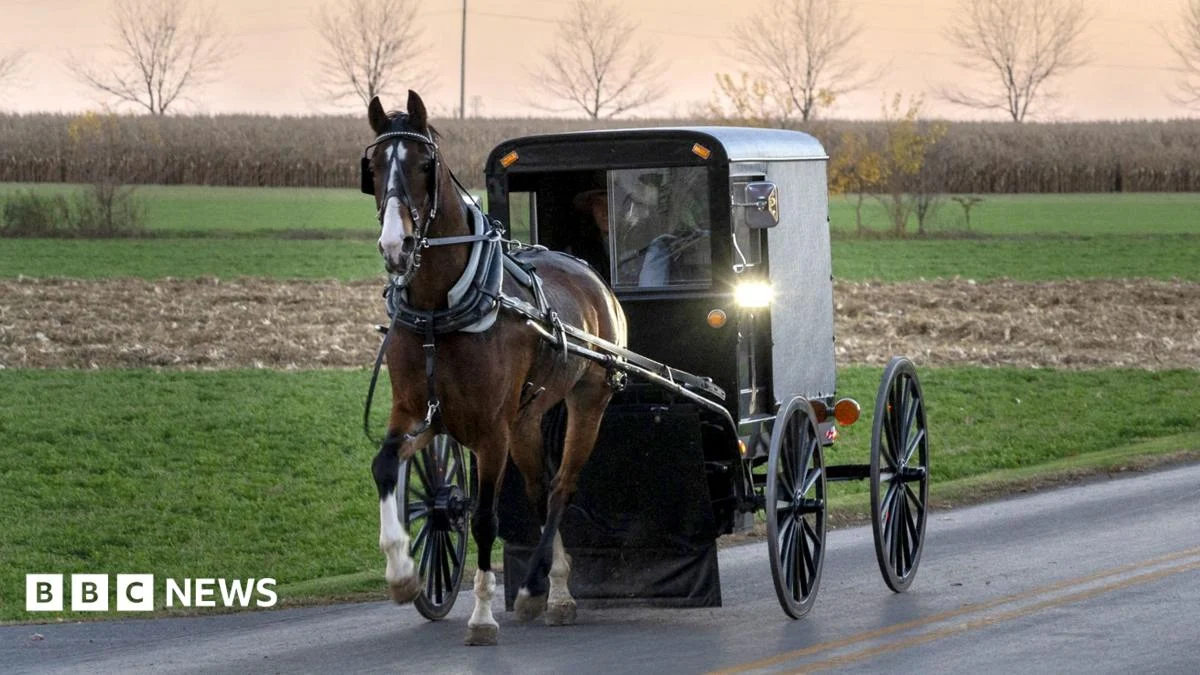
In Amish country, nurses are going door to door to encourage residents to accept measles vaccines, following reports of four measles-related deaths in Pennsylvania. Health officials are trying to stop the deadly spread of the disease by reaching people directly in their homes, particularly in communities where vaccine hesitancy has been widespread. The effort reflects an urgent attempt to protect public health without forcing compliance.
According to BBC News, the four deaths have raised concerns about how quickly measles can spread in close-knit groups where vaccination rates are low. Nurses are being sent to individual households to discuss the risks and benefits of vaccination, aiming to build trust and increase immunization coverage in areas where traditional outreach may fall short.
Key Facts
- Four measles-related deaths have been reported in Pennsylvania.
- Nurses are visiting homes in Amish communities to promote measles vaccines.
- Health officials are encouraging vaccine uptake privately to avoid resistance.
- The goal is to halt the deadly spread of measles in high-risk areas.
The Story
What happens next?
Health officials say the door-to-door campaign will continue as long as measles cases remain active in Pennsylvania. The approach focuses on education and conversation rather than mandates, hoping to reduce fears about vaccines while emphasizing their life-saving value. Additional resources may be deployed depending on how effective early efforts prove to be.
Measles is highly contagious and spreads through the air when infected individuals cough or sneeze. Before widespread vaccination, it was one of the most common childhood diseases worldwide. In unvaccinated populations such as some Amish communities, outbreaks can escalate quickly due to low immunity levels.
Who is affected?
The measles outbreak primarily impacts unvaccinated individuals in rural Pennsylvania, especially within Amish communities known for their limited engagement with modern medicine. These groups often rely on community-based healthcare decisions and have historically maintained low vaccination rates, increasing vulnerability during disease outbreaks.
Public health authorities are working closely with religious leaders and local advocates to ensure that messages about measles vaccines are delivered respectfully and culturally appropriately. Their goal is not only to contain the current situation but also to prevent future outbreaks among similarly isolated populations.
Why this matters
Measles outbreaks highlight broader challenges facing public health systems trying to balance personal beliefs with community safety. When vaccination rates drop below herd immunity thresholds, even rare diseases can resurge and threaten those who cannot be vaccinated for medical reasons.
What We Know — and What We Don’t
Verified by the source:
- There were four measles-related deaths in Pennsylvania, per BBC News.
- Nurses visited homes in Amish Country to discuss measles vaccines.
- The visits aimed to stop the deadly spread of measles.
- Vaccines were offered privately to reduce resistance.
Still unconfirmed:
- The exact number of total measles cases reported.
- Names or titles of specific nurses or officials involved.
- Precise locations or timing of the home visits.
- Whether the outbreak originated inside or outside Amish Country.
- Official confirmation from U.S. Centers for Disease Control and Prevention.
Why It Matters
This outbreak illustrates how quickly dangerous infectious diseases can reappear when vaccination rates decline, underscoring the importance of sustained public health vigilance across all communities.
What To Watch
Further details from health agencies regarding case counts and continued outreach efforts will help determine whether the outbreak is contained. Updates are expected as more information becomes available from Pennsylvania health officials.
Read more in our Health & Science section and explore related stories in Top Stories.