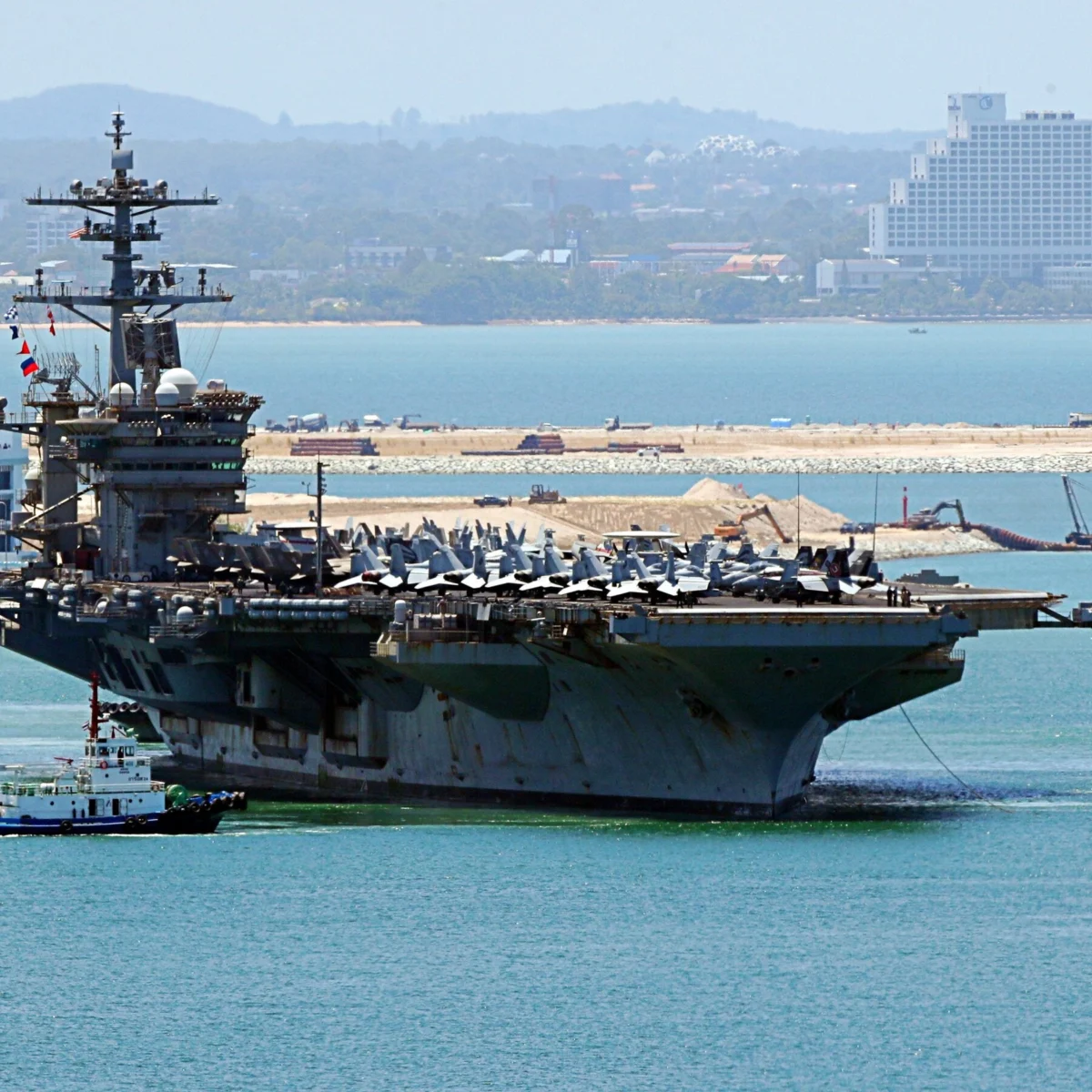
US Navy officials reported that eight sailors assigned to the USS Lincoln strike group attempted suicide while deployed at sea, according to reporting published by the New York Times. The aircraft carrier, home to roughly 5,000 crew members, has been underway for more than 300 consecutive days, a period that exceeds typical deployment cycles. The Navy did not specify when the attempts occurred or provide further details about the personnel involved, citing privacy protections and ongoing investigations.
The reported incidents highlight ongoing concerns about mental health strain among active-duty service members during extended deployments. The USS Lincoln, an aircraft carrier operating in the Persian Gulf region, has drawn attention for its prolonged time at sea, which military experts say can increase stress, isolation, and fatigue for sailors.
Key Facts
- 8 sailors in the USS Lincoln strike group attempted suicide, the Navy says.
- The USS Lincoln has spent over 300 days at sea.
- The carrier has a crew of about 5,000 sailors.
- The Navy did not disclose timing or specifics of the attempts.
- The source is an article published by NYT > Top Stories.
What the Deployment Looks Like
The USS Abraham Lincoln-class aircraft carrier operates with a complementary crew of approximately 5,000 sailors, along with additional personnel from embarked squadrons and support units that together form the strike group. Deployments of major surface combatants typically last six to nine months, though extended rotations have become more frequent in recent years due to operational demands and global posture requirements. A deployment lasting over 300 days stretches established personnel and maintenance cycles, increasing risks to both individual wellbeing and unit cohesion.
Military researchers have previously noted correlations between extended deployments and elevated rates of mental health challenges, including depression and anxiety among active-duty personnel. However, direct causation between deployment duration and suicidal ideation is difficult to establish, as personal factors often vary widely across individuals.
What Happens Next?
The Navy has not indicated whether any formal review of the USS Lincoln’s deployment schedule will follow these reported incidents. No additional comment was provided regarding support measures already in place for the crew or whether changes to rotation policies are under discussion. The strike group remains active in its assigned operating area, according to the same report.
Officials may release further information if internal investigations conclude and decisions are made regarding public disclosure. In past similar cases, the Navy has emphasized its commitment to confidential mental health resources and suicide prevention programs available to service members and their families.
What We Know — and What We Don’t
Verified by the source:
- Eight sailors assigned to the USS Lincoln strike group attempted suicide.
- The USS Lincoln has been at sea for more than 300 days.
- The carrier’s crew numbers about 5,000 sailors.
- The information was reported by NYT > Top Stories.
Still unconfirmed:
- Exact dates or times of the attempted suicides.
- Whether any attempts resulted in injury or death.
- Underlying causes or contributing factors behind the incidents.
- Whether the Navy is conducting a formal inquiry or reviewing deployment practices.
- Names, ranks, or hometowns of affected personnel.
Why It Matters
Suicide prevention and sailor welfare remain critical priorities for the US military, especially amid growing concerns about retention, readiness, and mental health support across all branches. Reports involving prolonged deployments and their human cost underscore broader systemic pressures facing today’s active-duty forces.
What To Watch
Readers should watch for potential statements from the Navy regarding mental health initiatives or adjustments to deployment policies for carrier strike groups in the months ahead. Additional details may also emerge through official congressional briefings or defense committee hearings.