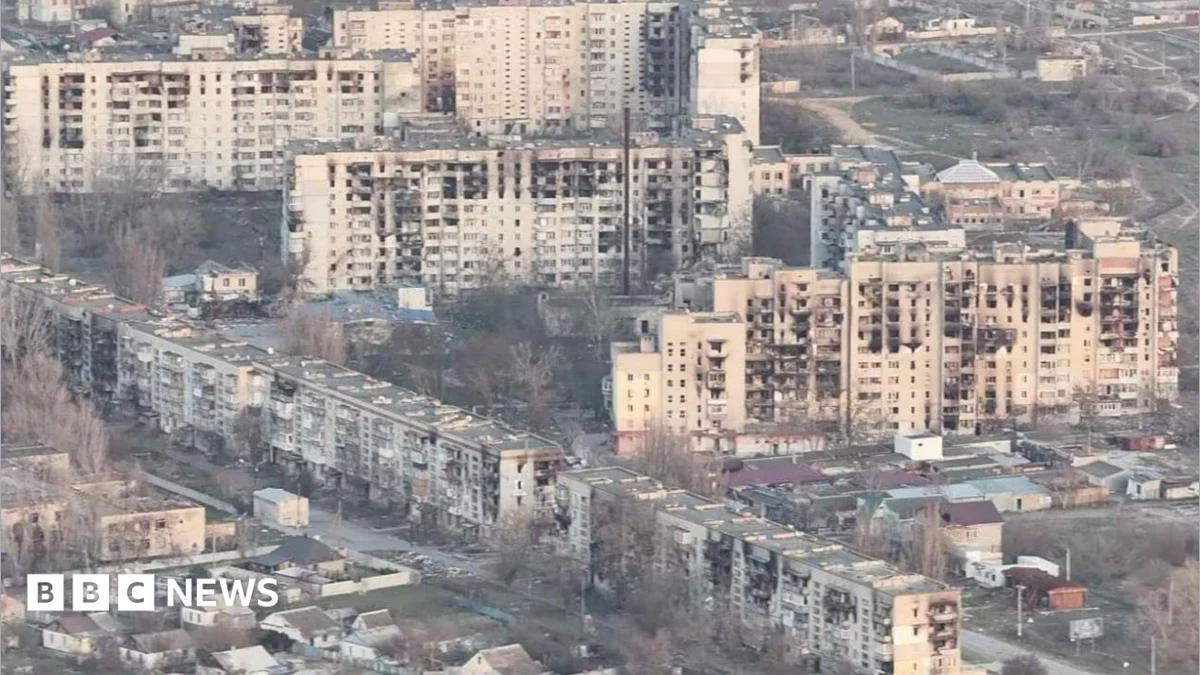
Residents in the Russian-occupied Ukrainian town of Oleshky are reportedly eating garden weeds as a desperate measure to survive amid ongoing shelling and shortages of food and water, according to BBC News reporting. The BBC has spoken to residents who describe life under occupation as increasingly untenable, with constant bombardment making daily survival difficult.
The situation underscores the dire humanitarian conditions emerging in parts of southern Ukraine under Russian control, where basic necessities like clean water and nourishing food have become scarce or inaccessible due to conflict and infrastructure damage.
KEY FACTS
- BBC News reported on residents in the Russian-occupied town of Oleshky experiencing severe shortages.
- Residents say they are being constantly shelled, according to BBC News.
- Some residents are resorting to eating garden weeds due to lack of food, per BBC reporting.
- The area has been cut off from reliable supplies of food and water, as stated by locals.
Why Is Life So Hard in Oleshky?
The town of Oleshky lies in the Kherson region of southern Ukraine, which saw intense fighting following Russia’s full-scale invasion in February 2022. After Russian forces seized control of much of the region, critical infrastructure including power lines, water systems, and supply routes were disrupted — often intentionally or through combat damage. For civilians remaining in Oleshky, access to markets, medical care, and humanitarian aid has been severely restricted.
According to residents contacted by BBC News, many homes no longer receive consistent electricity or running water. With stores closed or empty, individuals have turned to foraging for edible plants and weeds growing in gardens and vacant lots. While some wild greens can provide minimal nutrients, they are not a sustainable solution to long-term malnutrition.
This pattern mirrors reports from other occupied towns along the Dnipro River, where residents have described similar struggles to find enough food and safe drinking water during extended periods without resupply. Humanitarian corridors have been proposed but implementation remains limited.
What Happens Next?
It remains unclear whether conditions will improve soon in Oleshky. Supplies depend heavily on whether humanitarian organizations can secure permissions to operate inside occupied territory and whether active hostilities subside enough to allow secure delivery of essentials. Locals have requested international attention to help facilitate emergency assistance, though aid convoys face significant logistical and security challenges.
Ukrainian officials have periodically accused Russian authorities of deliberately restricting access to food, water, and medicine in captured areas — a claim that Moscow denies. Independent verification is difficult given restricted media access and safety concerns for journalists operating in combat zones.
As winter approaches, temperatures dropping below freezing could worsen existing hardships unless urgent measures restore essential services or enable safe evacuation options for those wanting to leave.
What We Know — and What We Don’t
Verified by the source:
- The BBC spoke directly with residents in Oleshky.
- Those residents reported being constantly shelled.
- They reported eating garden weeds because of food shortages.
- They reported being cut off from food and water supplies.
Still unconfirmed:
- No exact population numbers given.
- No specific dates for when shortages began.
- No official response from Russian or local authorities.
- No independent corroboration beyond BBC interviews.
Why It Matters
Humanitarian crises in conflict zones rarely make headlines unless extreme starvation or mass displacement occurs. But individual testimonies like those from Oleshky highlight how civilians bear the heaviest toll of war — losing access to basics that most people take for granted every day.
International observers warn that failure to address these localized emergencies may lead to broader instability if large numbers of displaced persons attempt movement toward safer regions. This reflects a recurring challenge across active warzones globally.
Oleshky siege
What To Watch
Monitor future BBC reports for updates from inside Oleshky, especially regarding potential humanitarian aid access or official statements addressing civilian needs.
Explore related coverage in our War & Geopolitics section.