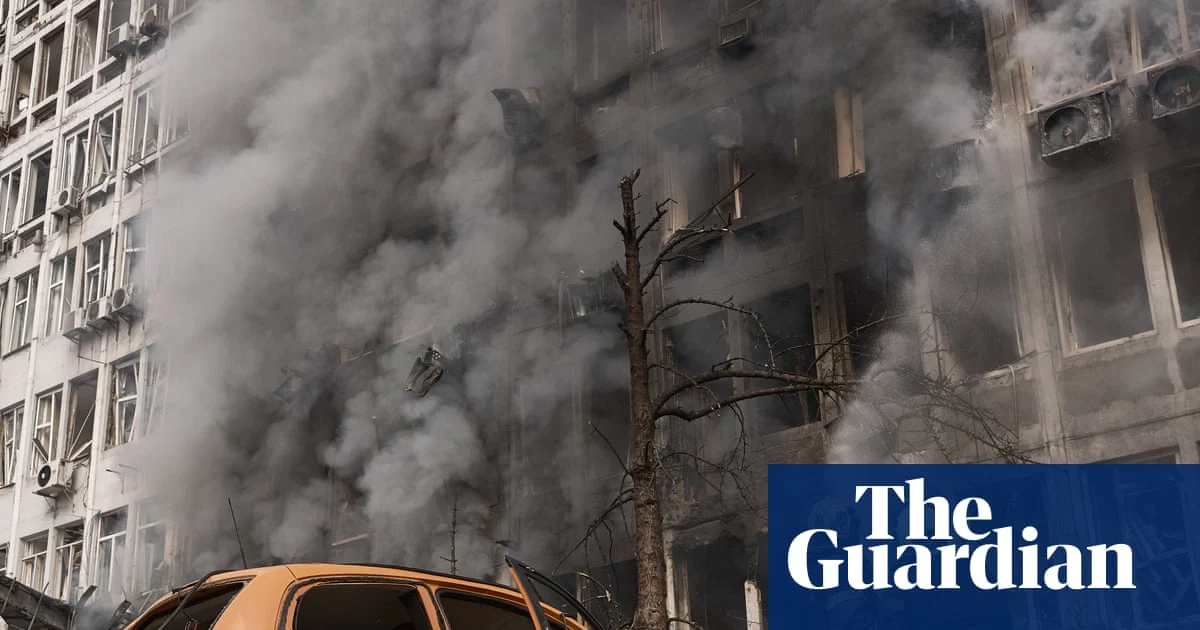
KYIV DRONE STRIKES intensified overnight into Thursday, with Russian attacks killing two people and wounding 41 in the Ukrainian capital, according to local reports cited by The Guardian. The fighting, now entering its 1,674th day, shows no sign of easing despite diplomatic efforts at the United Nations.
Ukrainian President Volodymyr Zelenskyy used his address to the UN General Debate to call on world leaders to further restrict Russian state revenues, arguing that limiting funding sources could pressure Moscow to de-escalate. His remarks came as air raid sirens sounded across Kyiv for hours, underscoring the toll of daily bombardments on civilian life.
Emergency services worked through the night to clear debris and treat the wounded, though hospitals did not release full casualty updates by press time. TheGuardian reported no immediate claim of responsibility from Russian officials for the latest wave of strikes.
KEY FACTS
- Two killed and 41 wounded in Kyiv during overnight Russian drone attacks.
- Russian strikes began Wednesday and continued into Thursday, per The Guardian.
- President Zelenskyy addressed the UN, urging leaders to restrict Russia’s revenue streams.
- Fighting entered its 1,674th day, marking a prolonged phase of escalation.
WHAT HAPPENED IN KYIV?
TheGuardian described how Russian drones targeted central Kyiv around dawn, triggering air raid sirens and forcing residents into shelters. Emergency responders pulled survivors from damaged buildings while ambulances ferried the injured to nearby clinics.
Local authorities confirmed that critical infrastructure took minor hits, though power outages remained limited compared to previous waves. No group has yet claimed credit for the assaults.
These recurring raids reflect broader shifts in battlefield tempo. Analysts note that both sides have leaned more heavily on long-range weapons since frontlines near Kharkiv settled earlier this year.
HOW DID WE GET HERE?
Since Russia invaded Ukraine in February 2022, Western nations imposed successive waves of economic sanctions aimed at draining Kremlin coffers. Past measures included freezing central bank assets and capping oil export prices, moves Moscow dismissed as illegitimate.
In his speech, Zelenskyy asked countries to deepen those restrictions, especially targeting energy sales that fund military operations. He argued that sustained financial pressure might compel negotiations toward a peaceful resolution.
However, member states remain divided over enforcement mechanisms. Some warn that aggressive sanctions risk retaliation against vulnerable populations, complicating consensus within the UN assembly hall where emotional pleas echoed between delegates.
WHAT WE KNOW & WHAT WE DON’T
Verified by the source:
- Russia launched successive waves of drone strikes beginning Wednesday, hitting Kyiv again Thursday.
- At least two civilians died; dozens sustained injuries requiring medical care.
- Zelenskyy spoke publicly at the UN General Assembly calling for action on Russian finances.
- This marks day 1,674 of ongoing conflict between Russia and Ukraine.
Still unconfirmed:
- Exact timing of when the final strike occurred or whether additional locations were targeted.
- Full extent of property damage or infrastructure disruption beyond what emergency crews reported.
- Specific policy responses other nations plan to adopt following Zelenskyy’s appeal.
WHY IT MATTERS
The persistence of cross-border violence illustrates how hard-fought diplomacy struggles to match real-world carnage. As global leaders debate sanctions and aid packages, ordinary citizens bear the brunt of daily shelling. Understanding these dynamics helps readers grasp why international responses often lag behind urgent humanitarian needs.
Zelenskyy’s push to choke off Russian revenues underscores growing frustration among Kyiv’s allies, many of whom face domestic backlash over rising defense costs. Continued scrutiny will shape future aid allocations and reveal whether multilateral institutions can credibly mediate such protracted wars.
For anyone tracking geopolitical risk, war and diplomacy developments signal shifting alliances and evolving definitions of acceptable economic warfare in modern conflicts.
WHAT TO WATCH NEXT
Watch for follow-up statements from UN envoys and potential emergency sessions addressing new sanctions proposals. Meanwhile, intelligence analysts expect further Ukrainian attempts to disrupt supply lines feeding Russian forces occupying eastern territories.
Stay updated via economic and market trends as sanctions ripple globally, affecting commodity prices, currency valuations, and investor sentiment toward emerging markets entangled in great-power competition.