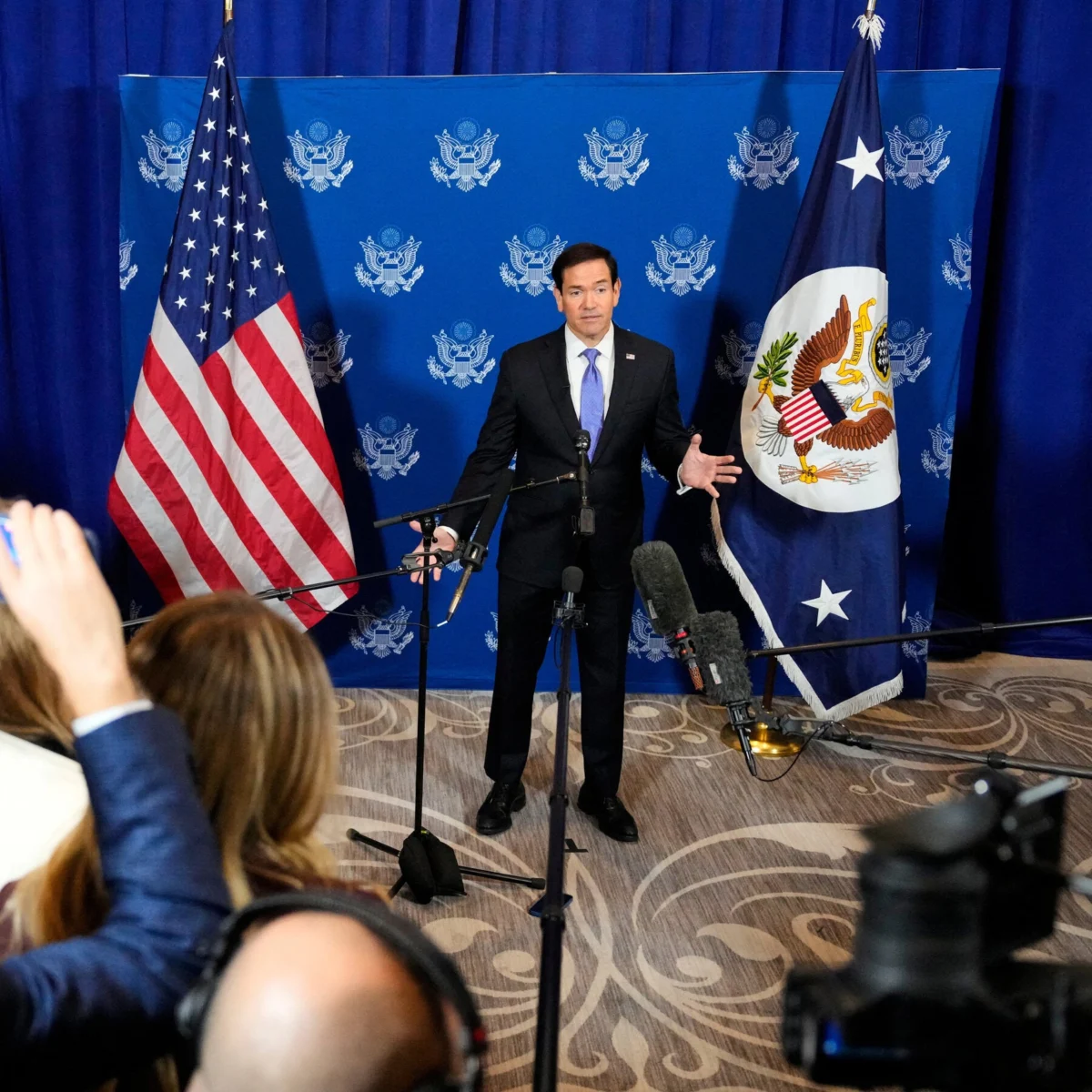
US aides have moved to restart diplomacy with Iran over its nuclear program as tensions in the region grow. Secretary of State Marco Rubio confirmed that negotiators have reopened discussions, though he cautioned there have been no meaningful breakthroughs so far.
The reengagement comes as the wider crisis involving Iran and its regional allies continues to escalate, prompting American officials to once again explore diplomatic channels for de-escalation.
KEY FACTS
- Secretary of State Marco Rubio said US negotiators restarted conversations about Iran’s nuclear program.
- Rubio said there were no breakthroughs in the restarted Iran nuclear talks.
- The diplomatic effort is tied to a widening regional crisis involving Iran.
THE STORY
What happens next in Iran nuclear talks?
With negotiations back on the table, attention now turns to whether either side will signal willingness to make concessions. Past rounds of diplomacy over Iran’s nuclear program have stalled repeatedly, often amid disputes over enrichment limits and inspection access.
Officials familiar with the matter indicated that technical-level meetings may resume in coming weeks, though no formal schedule has been announced. For now, the talks appear exploratory, aimed at establishing basic communication rather than securing a binding agreement.
The restart also reflects broader concerns inside Washington about contagion from regional conflicts. With Iranian-backed forces active across the Middle East, US aides appear focused on preventing further escalation through renewed dialogue.
Background on Iran nuclear discussions
Previous agreements governing Iran’s nuclear program, including the 2015 Joint Comprehensive Plan of Action, fell apart in stages after the United States withdrew and Iran gradually breached limits on enrichment activity.
Since then, diplomatic efforts to replace or restore constraints have faced deep skepticism from both sides. Iranian officials have repeatedly insisted their program is peaceful, while US officials have raised alarms about possible military dimensions.
The current initiative appears driven in part by fears that a collapse in negotiations could lead to more aggressive Iranian moves. Still, no concrete timeline or framework has yet emerged to guide formal trilogue or multilateral engagement.
WHAT WE KNOW — AND WHAT WE DON’T
Verified by the source:
- Secretary of State Marco Rubio stated that US negotiators have restarted conversations about Iran’s nuclear program.
- Rubio said there were no breakthroughs in the restarted Iran nuclear talks.
- The diplomatic effort is linked to a widening crisis involving Iran.
Still unconfirmed:
- No specific dates or locations for future talks have been reported.
- No details on which Iranian officials are participating were provided.
- No timeline for potential progress or next formal meetings has been announced.
WHY IT MATTERS
Restarted Iran nuclear talks matter because they could determine whether diplomatic paths remain open to limit nuclear proliferation risks. Even early-stage dialogue can help cap escalation and keep regional actors from moving toward militarized confrontation.
WHAT TO WATCH
All eyes are on whether either side signals readiness to move beyond introductory exchanges into structured negotiations. Any formal meeting schedule or statement on enrichment limits would mark a clear next step.