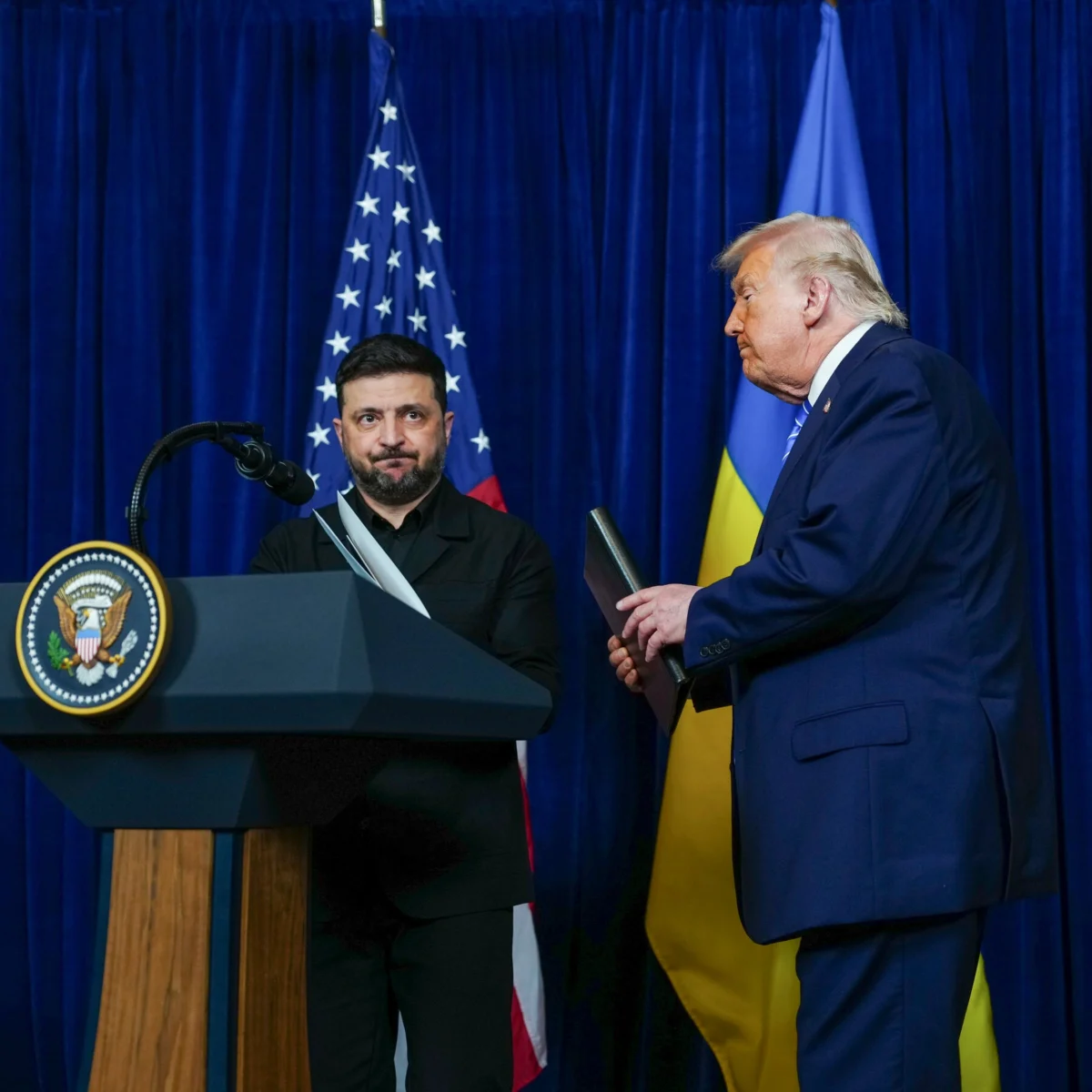
Vladimir Putin’s strategy of delay appears to be paying off as Western allies grapple with shifting priorities and internal divisions, according to a new analysis examining the geopolitical landscape surrounding the ongoing conflict in Ukraine.
The combination of former U.S. President Donald Trump’s advocacy for negotiated settlements and growing political fractures across European nations has created what some observers describe as an opening for Moscow to regroup and reassess its approach.
KEY FACTS
- Trump’s push for deals is influencing diplomatic dynamics involving Russia and Ukraine.
- Europe’s political fractures are complicating unified Western responses.
- Russia’s leader Vladimir Putin is perceived as gaining strategic advantage through a waiting approach.
- Analysts suggest current conditions favor Putin’s pause-and-wait strategy.
How Did We Get Here?
The trajectory leading to the current moment began with a series of diplomatic initiatives aimed at ending hostilities in Ukraine. Former U.S. President Trump’s calls for rapid negotiations drew significant attention, prompting debate among European leaders about the best path forward.
Meanwhile, political instability and ideological splits within key EU member states weakened collective bargaining power. Governments preoccupied with domestic concerns found themselves less able to maintain coordinated pressure on Moscow. This environment enabled Putin’s approach of patience rather than escalation.
Observers note that the lack of a unified front among Western powers plays directly into Russian strategic interests. As Trump continues advocating for swift deals, and as European Unity shows signs of strain, Putin may calculate that time works in his favor.
Who Is Affected Most by These Shifting Dynamics?
Ukraine remains the most directly impacted party, facing uncertainty over security guarantees and long-term support from its international partners. Kyiv depends heavily on Western military aid and political solidarity to sustain its defense efforts against Russian advances.
European capitals are also navigating a delicate balance. Nations torn between supporting Ukraine and addressing voter fatigue with military spending face mounting pressure. Internal disagreements over sanctions policy and troop deployments further complicate alignment.
For Russia, this period offers opportunities to exploit perceived weaknesses in Western cohesion. Whether Putin chooses to escalate militarily or pursue diplomatic engagement will likely depend on how these fissures evolve in the coming months. Analysts emphasize that even subtle shifts in alliance dynamics can alter battlefield calculations significantly.
What Happens Next?
The future of the conflict hinges largely on whether Western governments can restore unity around a coherent strategy. Upcoming summits and legislative decisions in Brussels and Washington will test resolve and reveal whether short-term dealmaking aligns with long-term regional stability goals.
Russia too faces choices tied to resource allocation and public sentiment. Economic sanctions remain in place despite diplomatic overtures, making prolonged warfare costly. Putin might weigh renewed offensives against negotiations that preserve gains while avoiding deeper confrontation.
All eyes now turn toward whether emerging cracks in Western unity signal lasting change or temporary discord. How each side interprets recent developments could shape not only the immediate future of the war but also broader models of international cooperation and deterrence.
WHAT WE KNOW — AND WHAT WE DON’T
Verified by the source:
- Trump’s approach emphasizes negotiated solutions involving Russia and Ukraine.
- European political divisions are affecting response coordination.
- Putin’s tactic includes delaying major actions to assess global reactions.
Still unconfirmed:
- Specific timelines or concrete proposals from any government.
- Detailed internal discussions taking place behind closed doors.
- Exact extent of disagreement among Western officials regarding next steps.
Why It Matters
International stability often turns on how major powers respond to prolonged conflicts. When influential leaders promote quick fixes while allies struggle internally, it creates space for adversaries to recalibrate strategies accordingly. The stakes include everything from energy markets to democratic institutions—and both citizens and policymakers alike should understand why timing matters so much in high-stakes diplomacy.
What To Watch
Upcoming diplomatic forums provide an opportunity to observe whether newly assertive voices gain traction or if existing alliances hold firm under pressure. Official statements expected soon may clarify intentions guiding future maneuvering.
Source: NYT > World News