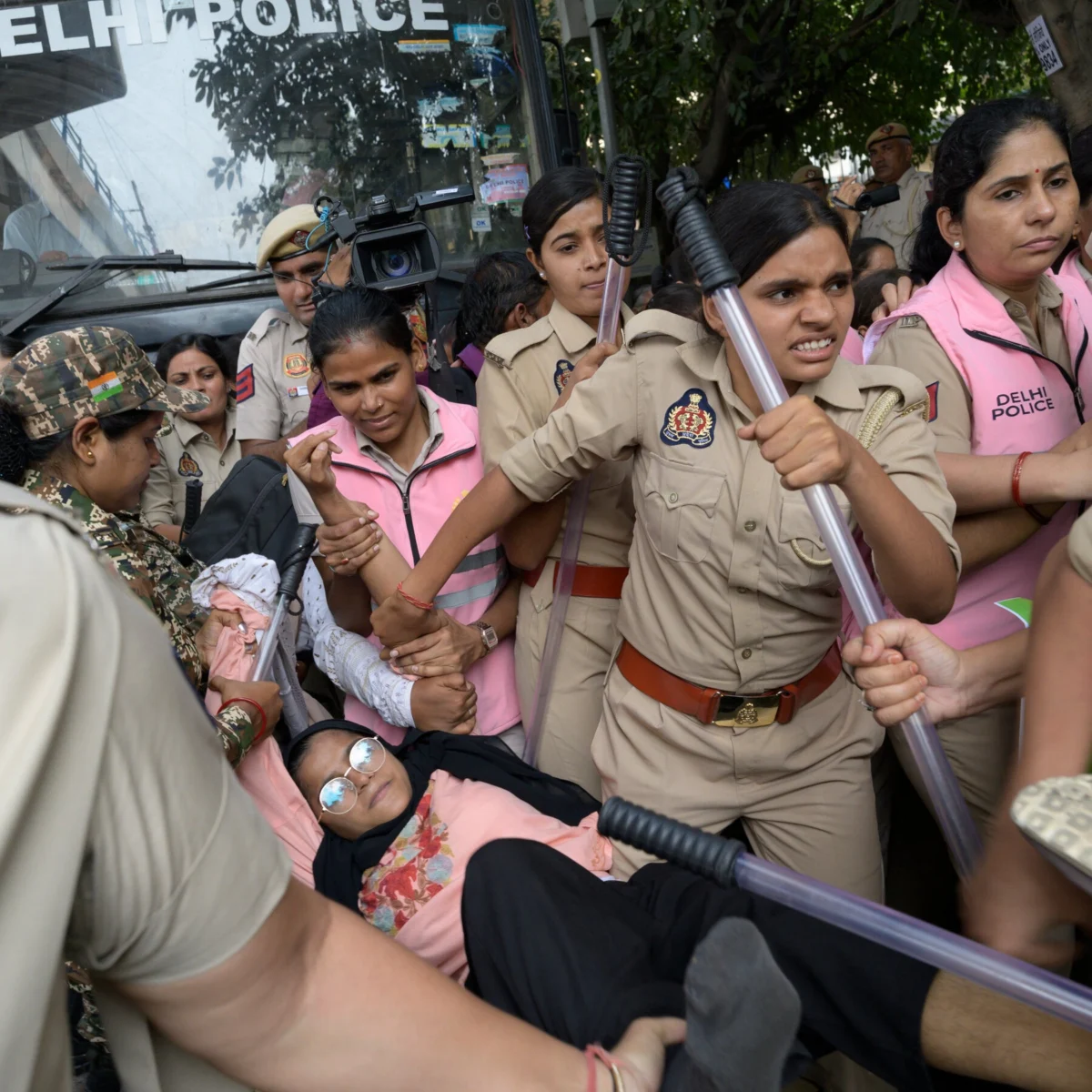
Indian Prime Minister Narendra Modi and his governing coalition are attempting to reshape public perception of the ongoing India protests, portraying them not as organic youth dissent but as a calculated power play by established political parties. Coalition leaders argue these demonstrations lack spontaneity and instead serve as a vehicle for opposition parties to reassert dominance in the country’s volatile political landscape.
This narrative shift comes amid growing unrest, particularly among younger demographics, who have taken to the streets over perceived economic stagnation and governance failures. By casting the protests as orchestrated rather than grassroots, the government seeks to delegitimize their legitimacy and fracture broad-based support for the movement.
Key Facts
- India protests are being framed by the ruling coalition as a power grab by traditional political parties.
- Governing coalition leaders deny the India protests reflect genuine youth-led frustration.
- The demonstrations are increasingly positioned as politically motivated rather than spontaneous youth movements.
- Coalition strategy aims to isolate youth participation in the India protests ahead of upcoming electoral cycles.
- Prime Minister Modi has not personally commented on the India protests according to the source summary.
The Story
How Did We Get Here?
The current wave of India protests appears to have emerged from mounting dissatisfaction among young citizens, who face high unemployment rates and limited economic mobility. While specific triggers vary across regions, common grievances include rising living costs, educational unemployment, and perceived neglect by policymakers. These issues have created fertile ground for mobilization, with youth groups leveraging social media to organize nationwide demonstrations. However, as the movement gains traction, the central government has moved swiftly to undermine its credibility by suggesting external manipulation.
Ruling party officials claim that regional opposition parties are co-opting youth anger for partisan advantage, pointing to instances where protest leaders have ties to established political families or institutions. This framing is designed to erode public sympathy and justify a firmer response from law enforcement agencies monitoring the situation. At the same time, it allows the government to avoid addressing substantive concerns raised by demonstrators, particularly those related to job creation and social equity.
What Happens Next?
With elections looming in several states, the stakes surrounding the India protests continue to rise. The outcome will likely depend on whether protesters can maintain momentum while avoiding co-optation by political factions. If the movement remains decentralized and focused on core youth issues, it may pose a significant challenge to the ruling establishment. Conversely, if it becomes synonymous with oppositional politics, it risks losing the moral high ground and mass appeal that define its current strength.
Analysts suggest that the government’s attempt to label the protests as politically driven could backfire if demonstrators successfully highlight discrepancies between official rhetoric and lived realities. The role of independent journalists and civil society organizations in documenting these tensions will be crucial in determining which narrative ultimately prevails. Meanwhile, international observers are watching closely, aware that shifts in Indian domestic policy often carry implications for global stability and multilateral cooperation.
What We Know — and What We Don’t
Verified by the source:
- Leaders of India’s governing coalition seek to characterize the India protests as a power grab by traditional political parties.
- The India protests are being portrayed by coalition leaders as politically orchestrated rather than grassroots in nature.
- The primary goal of the reframing effort is to diminish the perceived legitimacy of the India protests among the general population.
Still unconfirmed:
- Specific names or titles of coalition leaders involved in shaping the narrative around the India protests.
- Exact dates, locations, or scale of the India protests referenced in the summary.
- Whether Prime Minister Modi has made any direct public statements regarding the India protests.
- Detailed policy positions or demands put forth by participants in the India protests.
Why It Matters
The way governments frame youth-led movements directly impacts democratic discourse and accountability. When dissent is dismissed as politically motivated, it undermines fundamental rights to free expression and peaceful assembly. The stakes are especially high in populous democracies like India, where generational frustrations echo similar patterns seen globally — from climate activism to labor rights campaigns. How authorities respond to such challenges often sets precedents for civic engagement far beyond national borders.
What To Watch
Future developments may include intensified rhetoric from both sides, potential disruptions to public services, or calls for dialogue mediated by neutral third parties. Observers should monitor how effectively the ruling coalition maintains control over the narrative compared to how resiliently youth organizers adapt their messaging in response.
India protests represent a battleground for influence between old and new forces within the nation’s political ecosystem.Explore more in war-geopolitics or review our coverage of political developments here.