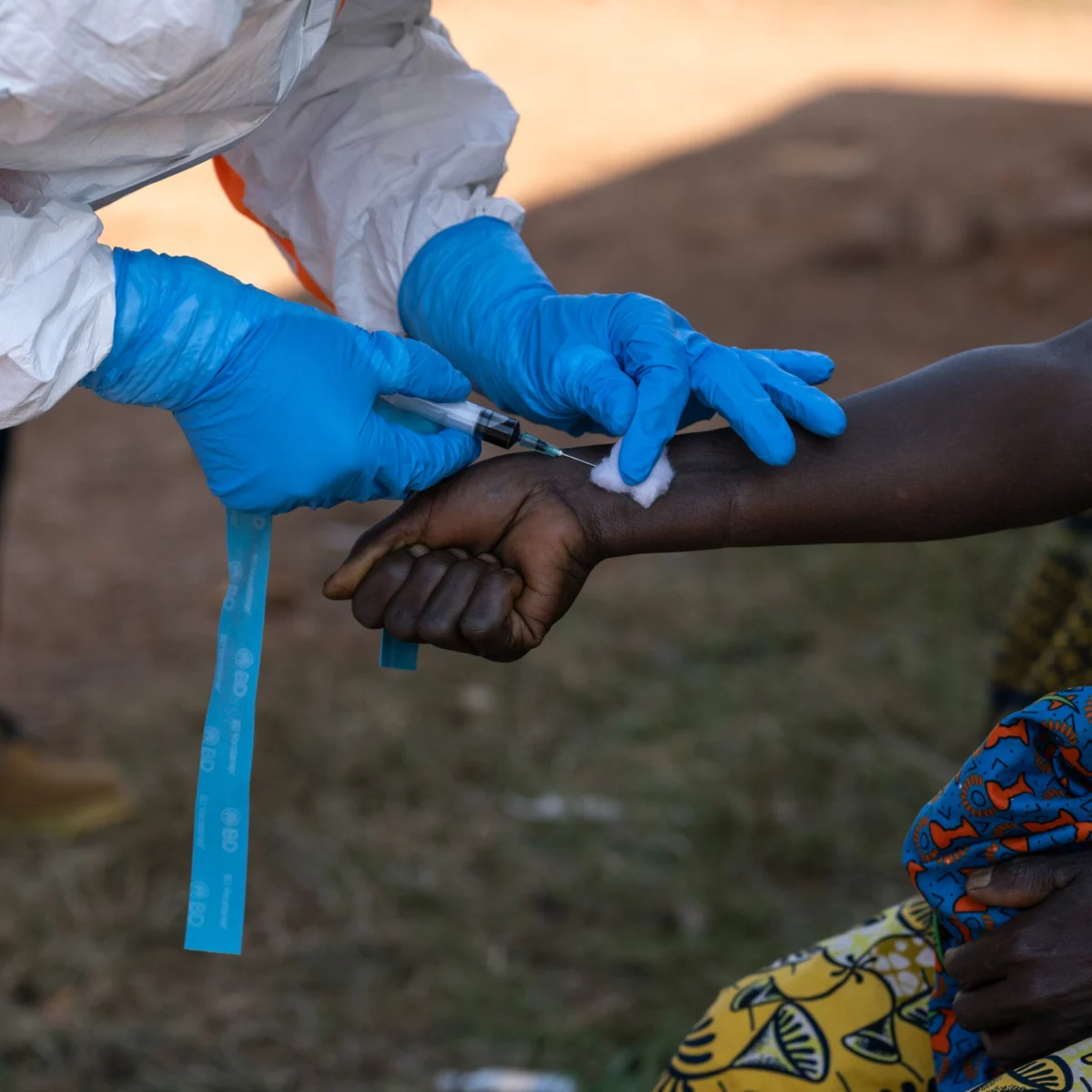
Nigeria has announced the first confirmed case of Ebola in the current outbreak, indicating a new phase of viral activity in the region.
Health officials have commended the Nigerian authorities for their promptness and transparency in reporting the spread of the virus to international health organizations.
Key Facts
- Nigeria has confirmed the first case of Ebola in the current outbreak.
- Health officials praised Nigerian authorities for reporting the spread of the virus transparently.
The Story
What Happens Next?
The confirmation of the first Ebola case in this outbreak raises concerns about potential wider transmission. Health experts typically monitor initial cases closely to determine how the virus spreads within communities and whether containment measures can limit further infections.
Ebola is a severe viral illness that can cause hemorrhagic symptoms and has a high case fatality rate. Outbreaks are usually managed through rapid identification of cases, contact tracing, isolation of infected individuals, and public health education to reduce transmission risks.
In past African Ebola outbreaks, countries that responded quickly with transparent reporting and coordinated medical interventions were often able to contain spread. Nigerian authorities now face the challenge of balancing openness with effective emergency response protocols.
Who Is Affected?
Ebola primarily affects people in regions where the virus circulates among animal populations and can spill over into human communities. Those at highest risk during an outbreak include healthcare workers treating symptomatic patients and individuals who come into direct contact with bodily fluids of infected people.
International organizations such as the World Health Organization often step in during major outbreaks to provide technical support, supplies, and advisory guidance. Transparent reporting allows these partners to deploy resources swiftly and coordinate cross-border surveillance efforts.
Population movement across borders in West Africa makes localized outbreaks a regional concern. Communities near affected areas must remain vigilant for early warning signs and follow public health advisories issued by local authorities.
How Did We Get Here?
Previous Ebola outbreaks in Nigeria have been linked to cross-border transmission from neighboring countries experiencing active epidemics. Surveillance systems established after earlier outbreaks help detect new cases but require continued investment and training to function effectively.
Global attention to Ebola preparedness has increased since large outbreaks in 2014 and 2018. Countries with weaker health infrastructure may struggle to maintain readiness between outbreaks despite international support programs.
Reporting this case transparently signals Nigeria’s commitment to international health security norms. Delayed or incomplete reporting could complicate regional response coordination and delay access to emergency funding or vaccines.
What We Know — and What We Don’t
Verified by the source:
- Nigeria reported the first case of Ebola in the current outbreak.
- Health officials publicly praised Nigerian authorities for reporting the spread of the virus transparently.
Still unconfirmed:
- The exact location or state where the case was identified.
- Timelines regarding symptom onset, diagnosis, or public notification.
- The total number of suspected or confirmed contacts being monitored.
- Whether additional cases have emerged or remain under investigation.
- Details about treatment facilities or therapeutic interventions being used.
Why It Matters
Ebola outbreaks pose serious risks not only to affected populations but also to regional stability and economic activity. Transparent reporting by governments strengthens global health security by enabling faster international response and resource allocation. This case underscores the ongoing need for sustained surveillance and preparedness investments across vulnerable regions.
What To Watch
Further updates from Nigerian health authorities and the World Health Organization will clarify whether this case leads to additional infections or remains an isolated event. Continued transparency will likely influence both domestic policy actions and international humanitarian support efforts.