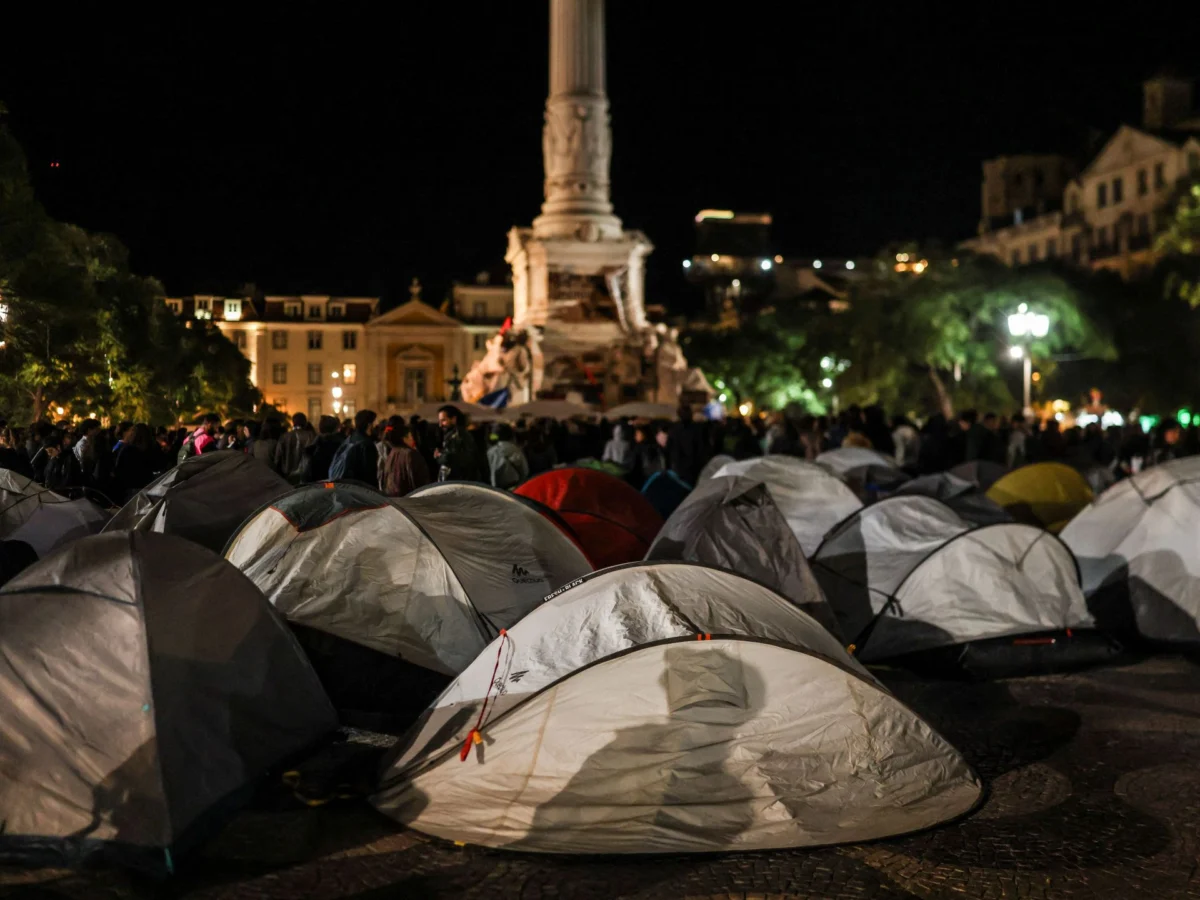
Portugal’s cost-of-living protests flared again after police cleared protest camps in Lisbon and Porto, only for demonstrators to return to the same sites in apparent defiance. Authorities reported dozens of arrests during the evictions, highlighting mounting public frustration over rising expenses and economic pressures.
The renewed clashes underscore a broader wave of discontent across the country, where citizens continue to gather and reorganize despite police intervention. These cost-of-living protests reflect deepening public strain over inflation, wages, and government response.
Key Facts
- Police cleared protest camps in Lisbon and Porto.
- 55 people were arrested during the clearance.
- Protesters returned to camps cleared by police.
- The demonstrations are linked to cost-of-living grievances.
What Happened After the Clearing?
Hours after authorities removed tents and banners from protest sites, demonstrators retraced their steps and reestablished presence at the same locations. The swift return signals that police action did not deter participants from maintaining their visibility. The events unfolded as part of ongoing cost-of-living protests driven by public frustration over housing shortages, wage stagnation, and rising utility prices.
Local media described scenes of renewed chanting and signage as crowds reassembled near government-adjacent areas. No further confrontations were immediately reported, though organizers indicated plans to sustain pressure. The situation remains fluid, with calls for additional demonstrations already circulating on social platforms.
Who Is Affected by These Protests?
The cost-of-living protests draw support from a cross-section of Portuguese society, including wage earners, students, and advocacy groups concerned with housing and social equity. Many participants voice concerns over stagnant incomes amid surging prices for food, energy, and rent. Unions and civic organizations have expressed solidarity, though formal leadership remains decentralized.
Authorities face growing scrutiny over their handling of public spaces and assembly rights. Government officials have yet to publicly outline concrete measures addressing demonstrators’ demands, leaving grievances unresolved. The lack of official response may further inflame tensions as gatherings continue across urban centers.
What We Know — and What We Don’t
Verified by the source:
- Police cleared protest camps in Lisbon and Porto.
- Fifty-five people were arrested during the clearance.
- Protesters returned to camps cleared by police.
- The demonstrations relate to cost-of-living concerns.
Still unconfirmed:
- Exact timing or date of the renewed protests.
- Whether additional arrests occurred after the return.
- Specific demands or statements from protest organizers.
- Official government response or planned policy changes.
Why It Matters
The resurgence of cost-of-living protests in Portugal reflects a pattern seen across Europe, where households struggle with persistent inflation and inadequate wage growth. Public dissent of this scale can pressure policymakers into negotiations, especially when movements sustain momentum despite enforcement actions. These protests also test the balance between civic expression and law enforcement discretion in democratic societies.
For readers tracking regional instability, Portugal’s unrest adds to a broader narrative of economic strain influencing political outcomes. Continued demonstrations may shape future electoral discussions and policy priorities, particularly around social welfare and housing reform. The story illustrates how grassroots mobilization can challenge institutional responses when trust erodes.
What To Watch
Organizers have hinted at further demonstrations, suggesting the cost-of-living protests may escalate in the coming days. Whether authorities adjust their approach or introduce concessions remains a key indicator of how this movement evolves. Updates will likely emerge through local news outlets covering Portugal’s war-geopolitics and economy-markets beat.