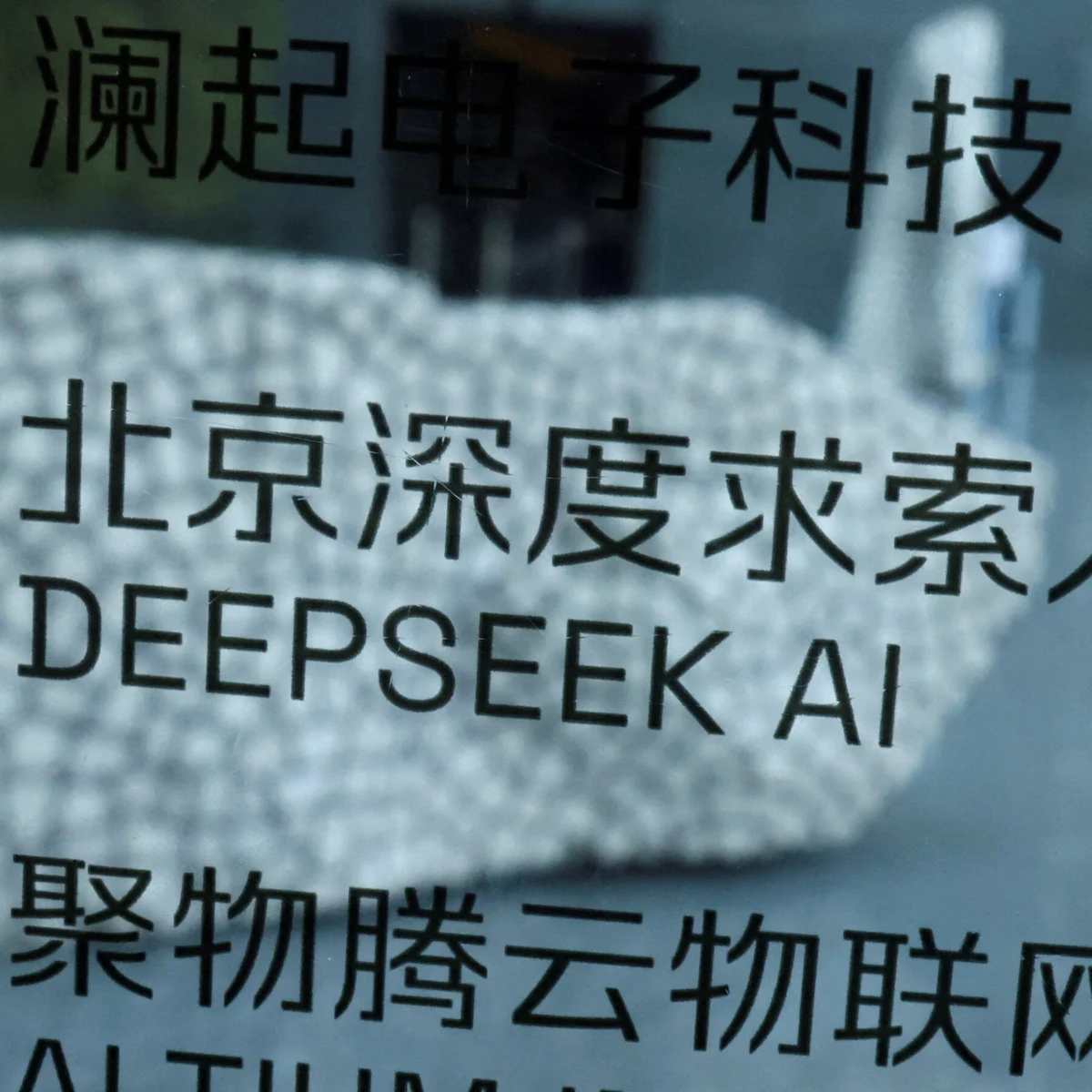
China criticized the U.S. decision to ban DeepSeek AI from government systems, marking a sharp escalation in bilateral friction over artificial intelligence access. The response follows a directive from the U.S. Department of Homeland Security ordering the removal and exclusion of products developed by the Chinese company.
The move reflects growing scrutiny of Chinese-developed AI technologies in sensitive government environments, raising questions about national security and technological dependence.
KEY FACTS
- China criticized the U.S. ban on DeepSeek AI in government systems.
- The criticism followed a Homeland Security order to remove DeepSeek products.
- The ban restricts use of DeepSeek tools in U.S. government systems.
What Happens Next?
The immediate outcome remains unclear, but the incident underscores how AI regulation is fast becoming a point of geopolitical tension between the two nations. The U.S. government has increasingly restricted Chinese technology firms from accessing critical infrastructure and public-sector systems, citing national security concerns. Similar measures have targeted companies like Huawei and TikTok in past years, and DeepSeek AI now appears to fall under that same umbrella.
China’s reaction signals its willingness to push back against what it perceives as discriminatory tech policies. Analysts note that such disputes often set precedent for reciprocal actions, potentially affecting American firms operating in China. The situation also highlights broader concerns about AI dominance and control—particularly when foundational models are developed abroad and deployed within government functions.
How Did We Get Here?
The roots of this conflict lie in the growing strategic importance of AI capabilities. As foundational models like those developed by DeepSeek gain traction, governments worldwide are reassessing their reliance on foreign technologies. The U.S. has implemented several layers of export controls and investment restrictions targeting Chinese AI development, including limits on semiconductor exports and funding prohibitions for certain research collaborations.
Homeland Security’s directive appears to be part of a wider effort to secure domestic IT infrastructure from potential external influence or surveillance risks. This includes vetting software suppliers, monitoring data flows, and limiting exposure to foreign-made code or cloud services. While specific justifications were not outlined in the available summary, such actions typically cite risks related to data integrity, operational control, and long-term dependency vulnerabilities.
What We Know — and What We Don’t
Verified by the source:
- China criticized the U.S. ban on DeepSeek AI in government systems.
- U.S. Homeland Security ordered removal and exclusion of DeepSeek products.
Still unconfirmed:
- The exact scope and timeline of the ban implementation.
- Official statements or quotes from involved parties.
- Details on which specific DeepSeek products are affected.
- Whether other countries will follow suit with similar measures.
Why It Matters
This dispute illustrates how AI governance is reshaping global politics, with governments balancing innovation, security, and sovereignty. It may influence future policy frameworks around tech procurement, cross-border data sharing, and international cooperation in emerging fields.
What To Watch
Observers should watch for further comments from either government or additional regulatory moves affecting AI companies operating internationally.