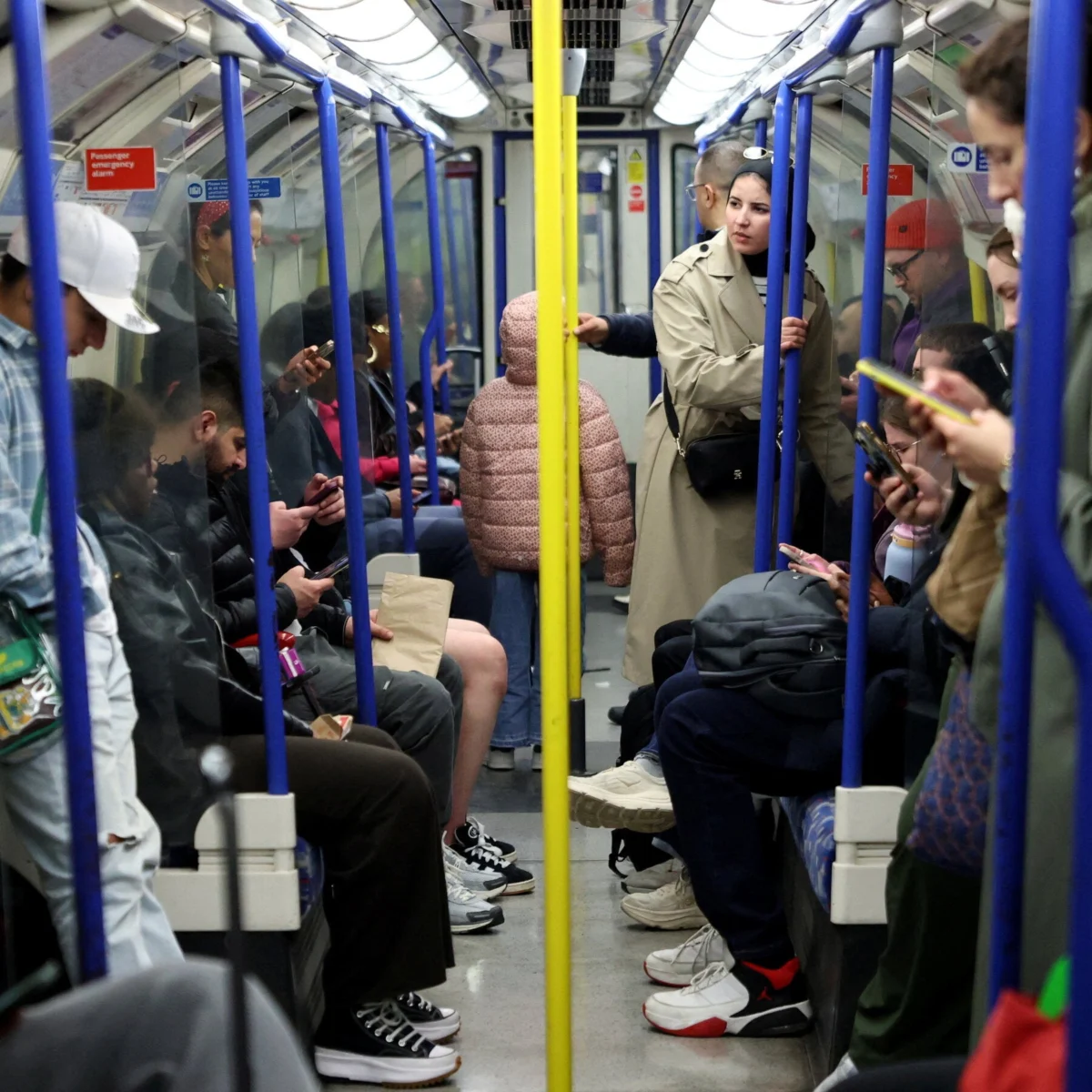
UK public transit audio enforcement may soon expand following a new campaign aimed at discouraging music or video playback without headphones on trains and underground services. The push was announced by Prime Minister Andy Burnham, who highlighted growing concerns over noise disruptions during commutes. Commuters in London have since reacted to the proposal, offering mixed responses about its practicality and necessity.
The initiative reflects broader efforts to manage passenger behavior on crowded transport networks, where personal audio devices often contribute to ambient noise levels. Advocates argue that headphone usage helps maintain a more peaceful environment for all riders, while critics question whether policing such habits is an effective use of resources. As plans develop, the conversation around public transit audio etiquette continues to evolve.
Key Facts
- Prime Minister Andy Burnham announced a campaign against headphone-free listening on public transport.
- The focus includes both music and video playback without headphones.
- The campaign targets trains and other forms of public transportation.
- London commuters were surveyed for their opinions on the issue.
- The source is the New York Times World News section.
What This Means for Daily Commuters
For many city dwellers, morning and evening journeys rely heavily on personal audio as a way to pass time or block out surroundings. Requiring headphones could improve comfort for non-listeners but may create logistical challenges for transit authorities tasked with monitoring compliance. Enforcement methods remain unclear, though fines or signage might be considered depending on how seriously the policy is pursued.
Transport officials in major cities worldwide grapple with balancing rider experience against individual freedoms. In Japan, for example, quiet phone lines and etiquette campaigns are common, whereas Western systems tend to emphasize personal discretion. Whether Britain will adopt stricter norms remains to be seen, especially if public backlash outweighs perceived benefits.
Who Is Affected By These Proposed Changes
British rail and Underground users stand to be directly impacted should these guidelines become formalized rules. Students, workers, and tourists traveling through busy hubs like London Bridge or King’s Cross may need to adjust routines involving mobile entertainment. Additionally, younger generations who frequently stream content during travel could find restrictions inconvenient.
Beyond riders, train operators and local councils must weigh costs associated with implementing awareness programs or deploying staff to enforce new standards. Labor unions representing transport personnel may also enter discussions if mandatory checks are introduced. The ripple effects extend into adjacent sectors, including tech companies producing earbuds and streaming platforms benefiting from in-transit engagement.
What We Know — and What We Don’t
Verified by the source:
- Prime Minister Andy Burnham announced a campaign targeting headphone-less playback on public transport.
- The campaign addresses listening to music or videos without headphones.
- Commuters in London were interviewed regarding the topic.
- The information originates from the New York Times World News section.
Still unconfirmed:
- No specific laws or penalties tied to the announced campaign.
- It is unknown whether similar initiatives exist elsewhere in the UK.
- Names and titles of participating commuters were not disclosed.
- Implementation timeline and responsible agencies have not been specified.
Why It Matters
Noise pollution on public transit affects millions of passengers daily, influencing stress levels, productivity, and overall well-being. How governments choose to regulate shared spaces often signals shifting cultural values around privacy, community responsibility, and state involvement in everyday life. This developing story offers insight into evolving urban governance trends across Europe and beyond.
What To Watch
Future developments may include official policy documents outlining enforcement procedures or budget allocations for public awareness campaigns. Observers should monitor reactions from advocacy groups, transport unions, and legislative bodies within the coming months.