Lede
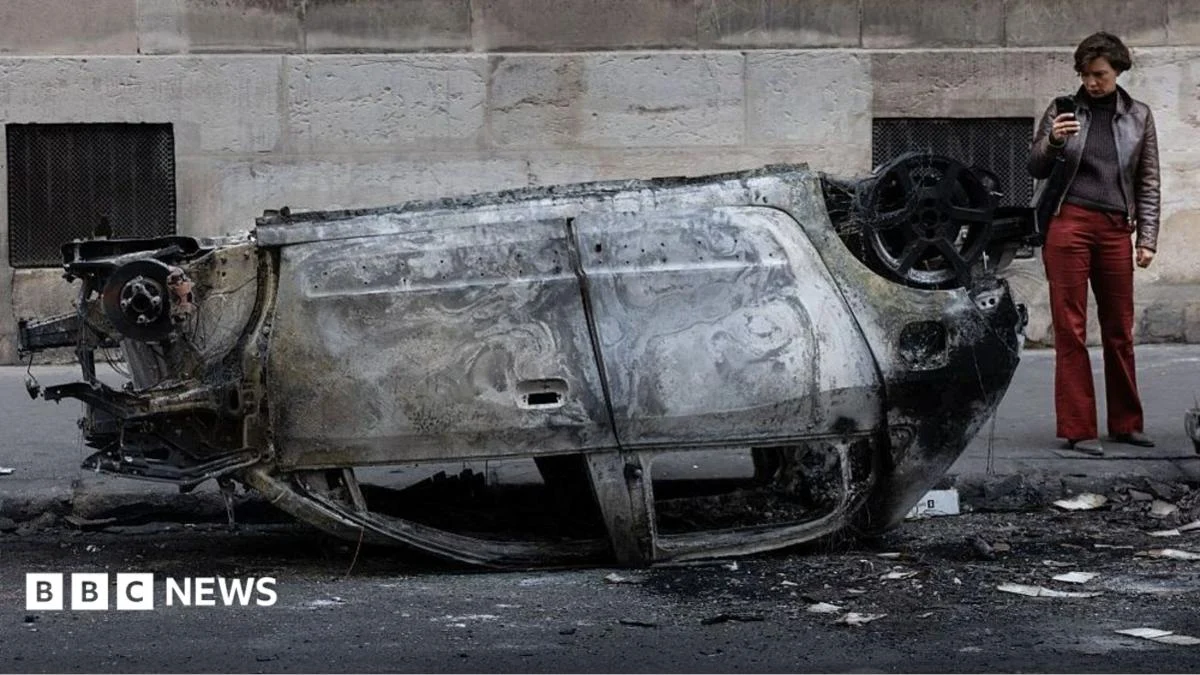
France remains split over who to blame for the weekend riots and what lessons should be drawn, according to BBC News. Disagreement spans both domestic discourse and international reaction, reflecting broader tensions about security, society, and governance. The unrest has left communities and commentators searching for clarity amid conflicting narratives.
The divisions underscore how contested events become battlegrounds for larger ideological debates. While some emphasize underlying social grievances, others focus on lawlessness, and still others question institutional responses. Consensus feels distant even as the need for understanding grows.
Key Facts
- There is widespread disagreement in France over what caused the riots.
- The unrest is described as some of the worst in modern French urban history.
- Disagreement extends beyond France to other regions and observers.
- Perspectives differ on blame and lessons learned from the events.
The Story
What happens next?
The lack of agreement on causation complicates recovery and reform efforts. Without shared understanding, policy responses risk appearing one-sided or politicized. Communities affected by the riots await leadership that can navigate competing truths.
Historically, episodes of civil unrest in France have prompted commissions, dialogues, and legislative reviews. However, those processes often reflect the very disagreements seen today. Trust in official findings depends heavily on whether groups see themselves represented.
Meanwhile, public discourse continues to polarize. Social media and traditional outlets amplify different angles, reinforcing existing beliefs rather than bridging divides. The risk of fragmentation grows as voices harden.
How did we get here?
Past waves of unrest in French cities revealed simmering frustrations around housing, employment, and policing. Subsequent reports attempted to address root causes, yet many underlying issues persist. Tensions resurface under different circumstances but rarely dissipate entirely.
The current moment reflects not just immediate triggers but enduring questions about equality and belonging. These themes resonate far beyond France’s borders, inviting comparisons with other societies grappling with similar challenges.
Yet each context is unique. Importing foreign frameworks may obscure local nuances. Domestic conversations must ultimately lead the way, even when they strain unity.
What We Know — and What We Don’t
Verified by the source:
- Widespread disagreement exists over the causes of the riots.
- The unrest ranks among the worst in modern French urban history.
- Disagreement is present both within France and internationally.
- Opinions vary significantly regarding blame and lessons.
Still unconfirmed:
- No specific date, location, or number of incidents has been provided.
- No official names, statements, or government reactions are cited.
- The exact scope and timeline of the unrest remain undefined.
- No independent verification of claims or casualty figures is mentioned.
Why It Matters
This story reflects how contested events shape national identity and policy direction. When societies cannot agree on basic facts or meanings, governing becomes harder. International observers watch closely because such fractures often signal wider democratic stress. Understanding these dynamics helps readers grasp global patterns of conflict and resolution.
What To Watch
Future developments may include official inquiries, public forums, or new legislation. Until more verified information emerges, the picture will likely remain fragmented across perspectives.