Lede
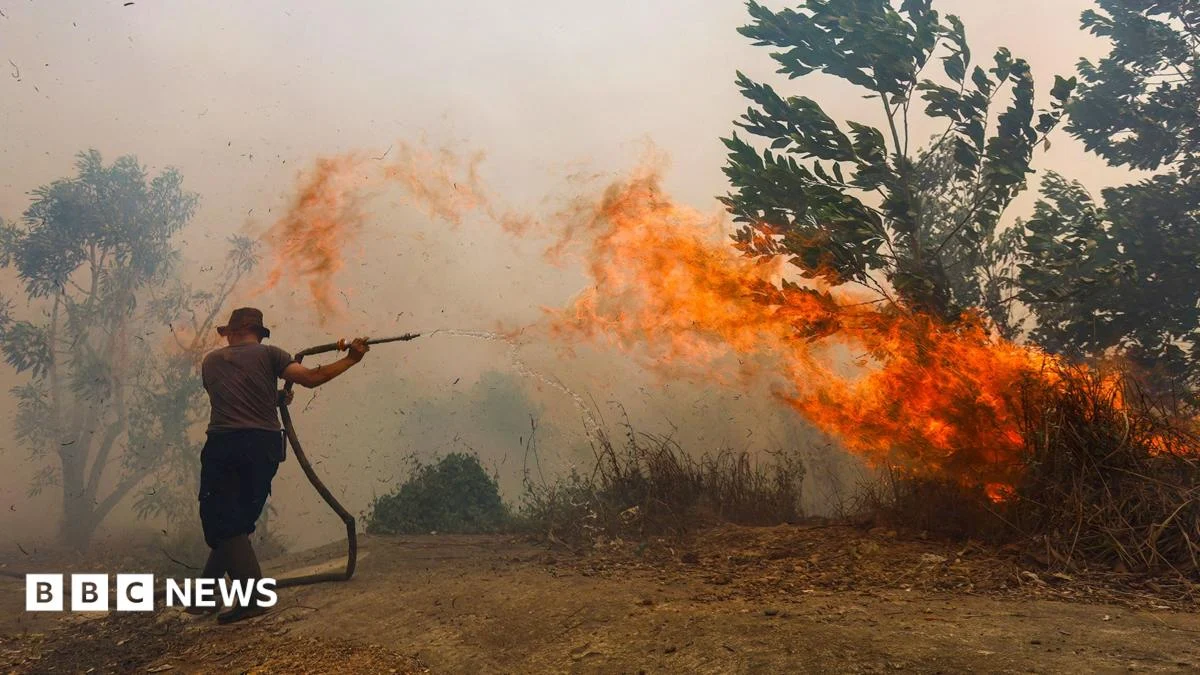
A Super El Niño has intensified months-long fires across Indonesia, producing a toxic haze that continues to affect life in Borneo and surrounding regions. BBC News reports the smog has left hundreds of thousands of people unwell. The situation underscores how climate patterns can amplify environmental crises, stretching public health systems and regional cooperation thin across Southeast Asia.
The fires, driven by dry conditions tied to the El Niño cycle, have burned for months, creating persistent smoke blankets visible from satellite imagery. Communities near the hardest-hit forests report recurring respiratory irritation, disrupted travel, and school closures. While firefighting crews work to contain blazes, experts note that preventing future episodes will require coordinated action on land-use planning, fire prevention, and climate adaptation.
International agencies have previously warned that Southeast Asia’s haze seasons cost billions in economic losses, reduced crop yields, and strain diplomatic ties when cross-border smoke drifts. The current episode highlights long-standing vulnerabilities in forest governance and emergency response readiness.
Key Facts
- A Super El Niño has fuelled months-long fires in Indonesia
- The resulting toxic haze has made hundreds of thousands of people sick
- Burning has disrupted daily life across Borneo and neighboring areas
- Public health systems face renewed pressure from respiratory illness spikes
Story
What happens next?
The El Niño pattern typically peaks during boreal winter, suggesting fire risk may remain elevated into early next year unless rainfall returns. Regional monitoring agencies track daily air quality readings, but local authorities in remote forest areas often lack real-time reporting infrastructure. Without coordinated suppression efforts and preventive policies, similar episodes could recur annually.
Experts emphasize that addressing root causes requires tackling illegal clearing practices, peatland drainage, and weak enforcement in plantation zones. Meanwhile, affected populations rely on masks, clinics, and informal evacuation routes to cope with worsening visibility and air quality.
Donor funding and international technical support play a role in scaling response capacity, yet long-term resilience depends on national-level reforms. Forecasters predict drier-than-normal conditions across parts of Southeast Asia through mid-year, keeping fire danger high.
Who is affected?
Hundreds of thousands of residents across Borneo and nearby Malaysian states have sought medical care for respiratory distress linked to the toxic haze. Schools and airports have suspended operations during peak smoke days, disrupting education and commerce.
Vulnerable groups—including children, elderly individuals, and those with pre-existing lung conditions—face heightened exposure risks. Rural communities living near forest edges report limited access to clean water and healthcare facilities, compounding health outcomes.
Economically, tourism revenue drops and agricultural exports suffer losses during severe haze periods. Regional governments acknowledge growing strain on emergency services, though comprehensive data collection remains inconsistent.
How did we get here?
The fires trace back to land-clearing methods common in palm oil and timber plantations, intensified by record-breaking drought associated with the ongoing Super El Niño. These climatic shifts originate from warming Pacific Ocean surface temperatures, which alter wind patterns and reduce monsoon rains over Indonesia.
Historical satellite records show seasonal burning cycles have grown more frequent and intense since the early 2000s, particularly in peat-rich swaths of Sumatra and Kalimantan. Despite past moratoriums and suppression campaigns, illegal fires persist due to regulatory gaps and economic incentives.
Regional forums like ASEAN have attempted diplomatic coordination to address transboundary haze, yet enforcement mechanisms remain fragmented. Climate scientists warn that rising global temperatures could intensify future El Niño events, raising stakes for forest protection strategies.
What We Know — and What We Don’t
Verified by the source:
- A Super El Niño event fueled prolonged fires in Indonesia
- The toxic haze led to hundreds of thousands falling ill
- Smoke impacted communities across Borneo and surrounding areas
- Public health systems experienced renewed pressure from respiratory cases
Still unconfirmed:
- Total number of active fires or exact duration of smoke episodes
- Precise locations or administrative boundaries affected by worst impacts
- Specific policy responses or coordinated regional suppression measures
- Estimated economic losses or mortality figures tied to the outbreak
Why It Matters
This crisis reflects broader challenges at the intersection of climate change, land-use mismanagement, and cross-border governance. As Southeast Asia grapples with recurring haze events, improving early warning systems, enforcing anti-burning regulations, and investing in sustainable agriculture can help mitigate future risks to both human health and regional stability.
What To Watch
Future updates depend on whether seasonal rainfall resumes and if regional firefighting initiatives show measurable progress in reducing burnout areas.
Meta Description: Super El Niño drives months-long Indonesian fires, creating toxic haze affecting hundreds of thousands across Borneo.
Explore related coverage in our climate environment and war geopolitics category archives.