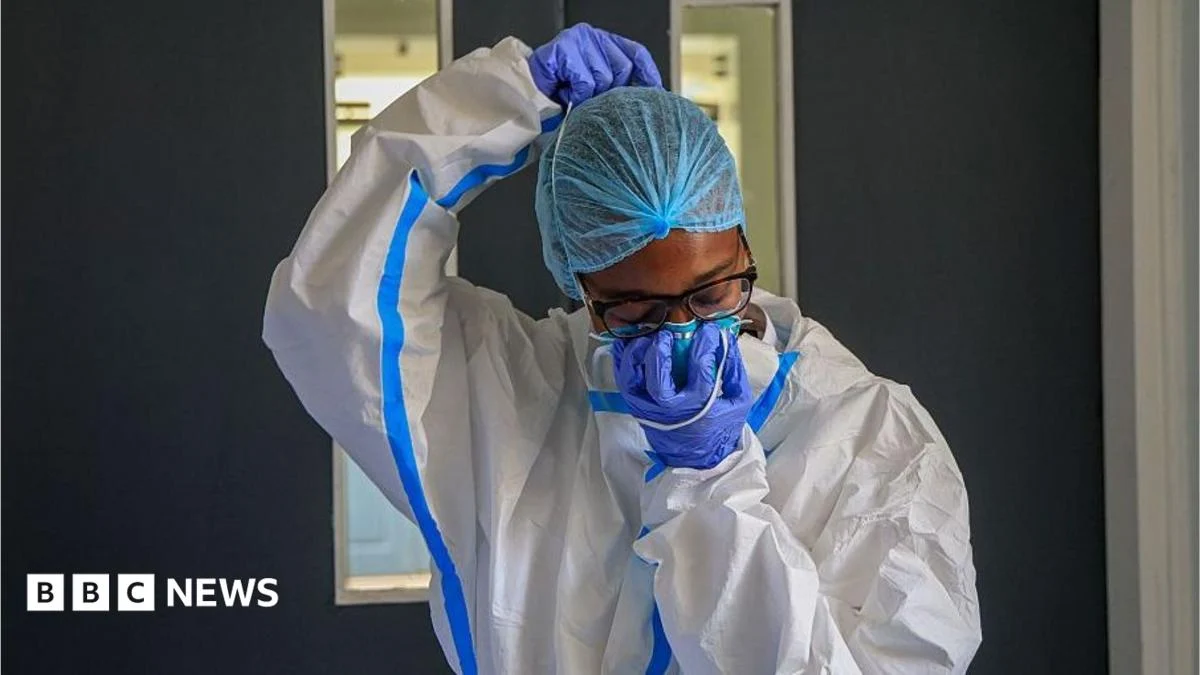
Ebola in Kenya remains a developing concern after nine confirmed cases raised renewed questions about containment efforts, even as the Kenyan government attempts to reassure the public.
The situation gained further attention after the United States advised its citizens to reconsider traveling to Kenya, signaling heightened caution over the outbreak. Authorities in Kenya, however, continue to downplay fears, insisting that measures are in place to manage and monitor the spread.
KEY FACTS
- Nine Ebola cases have been confirmed in Kenya.
- The US has advised citizens to reconsider travel to Kenya.
- The Kenyan government is attempting to reassure the public.
The Story
What happens next?
The trajectory of Ebola in Kenya will largely depend on how effectively health authorities can trace contacts of confirmed patients and enforce isolation protocols. Regional health organizations have previously coordinated responses during past outbreaks in neighboring countries, and similar frameworks may now be applied domestically.
Travelers and residents alike are being urged to remain vigilant for symptoms, while airlines and medical facilities prepare for potential surges in patient intake. Monitoring systems put in place after earlier outbreaks across Central Africa offer a template, though local adaptation will determine real-world effectiveness.
Who is affected?
Beyond direct health risks, communities near points of entry such as border crossings and major airports face indirect consequences from restricted movement and heightened screening procedures. Businesses reliant on international tourism or cross-border trade within East Africa could see disruptions if confidence continues to waver.
Healthcare workers assigned to isolation units also carry elevated exposure risk, especially where staffing shortages strain routine infection control practices. International partners may step in to bolster laboratory capacity and personal protective equipment supplies, echoing support provided during previous regional epidemics.
How did we get here?
Previous Ebola outbreaks in the Democratic Republic of Congo and Uganda led to periodic spillovers into parts of Kenya through informal trade routes and refugee movements. These historical patterns underscore existing vulnerabilities tied to porous borders and limited rural healthcare infrastructure.
While preparedness plans were updated following those episodes, implementation gaps often emerged once field conditions intensified. Surveillance networks now extend further than before but rely heavily on timely reporting from frontline clinics—an area sometimes challenged by understaffing and logistical delays.
What We Know — and What We Don’t
Verified by the source:
- Nine Ebola cases have been confirmed in Kenya.
- The US government has advised its citizens to reconsider travel to Kenya due to health concerns.
- The Kenyan government is actively trying to reassure people about the current status of the outbreak.
Still unconfirmed:
- The identities or locations of individuals diagnosed with Ebola.
- Whether any new cases have emerged since initial confirmation.
- The specific actions being taken by Kenyan health officials to contain the spread.
- Any official statements or press briefings issued by the Kenyan Ministry of Health.
Why It Matters
Outbreaks like this highlight fragile healthcare readiness not only in Kenya but across regions with recurring epidemic threats. Public trust becomes just as critical as medical intervention when managing both disease progression and economic stability during health crises.
What To Watch
All eyes remain on whether daily case counts rise or stabilize, and whether additional countries issue similar travel advisories based on evolving data. Updates from the World Health Organization and Kenya’s Ministry of Health are expected to shape global perception moving forward.