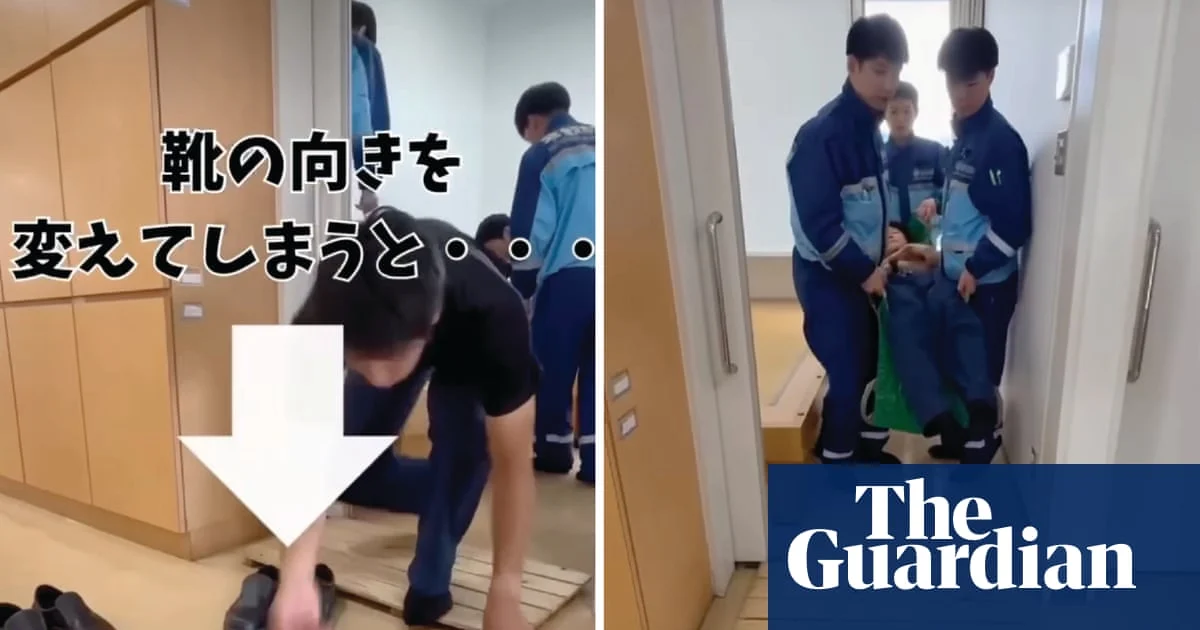
In Kanazawa, Japan, emergency services have asked residents to resist the polite impulse to tidy paramedics’ shoes when they arrive at a home, as it could hinder urgent medical responses. The request highlights a rare exception to Japan’s stringent etiquette rules, where seemingly considerate acts may inadvertently cost critical seconds.
KEY FACTS
- The Kanazawa Fire Department issued the request regarding paramedics’ shoes.
- Rearranging shoes could delay crews transporting patients on stretchers.
- Japan traditionally emphasizes meticulous shoe etiquette for guests.
Why This Breaks Tradition
In Japanese culture, aligning shoes neatly at the entrance is a sign of respect. However, emergency situations require speed above protocol. Paramedics often rush in without arranging footwear, and well-meaning adjustments by residents may force crews to waste time locating their shoes during exits, especially when carrying stretchers.
How Cultural Norms Collide With Emergency Needs
While Japanese hospitality prioritizes order, emergencies demand practicality. The Kanazawa advisory underscores how automatic reflexes—like straightening footwear—can conflict with lifesaving efficiency. Similar dilemmas may arise in other ritual-heavy societies where ingrained customs unintentionally obstruct crisis responses.
WHAT WE KNOW — AND WHAT WE DON’T
Verified by the source:
- The warning was issued by Kanazawa’s fire department.
- Stretcher operations are specifically affected.
Still unconfirmed:
- Whether other Japanese cities will adopt similar advisories.
- If delayed shoe retrieval has directly caused medical complications.
WHY IT MATTERS
The request reveals how even benevolent traditions may require reevaluation when public safety is at stake. It also demonstrates Japan’s willingness to prioritize functionality over formality in critical scenarios. Explore more on cultural norms in our war & geopolitics archive.
WHAT TO WATCH
Whether other emergency services in Japan replicate this guidance, and if public awareness campaigns emerge to balance etiquette with emergency pragmatism.