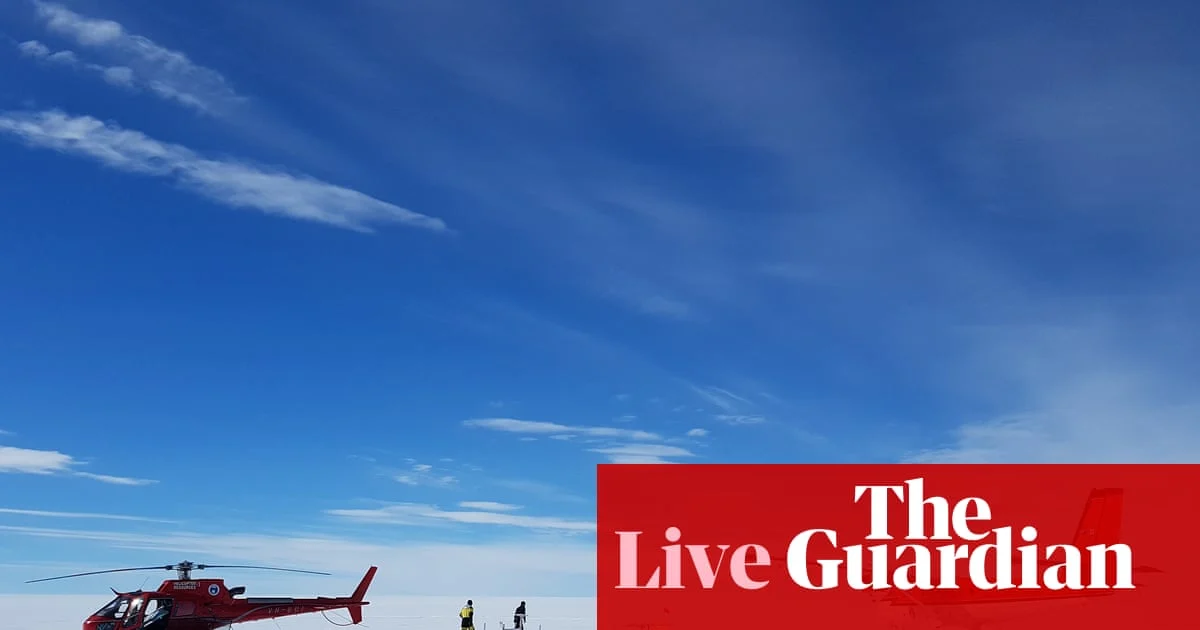
Staff at Macquarie Island in Antarctica have been withdrawn due to psychological stress linked to the risk of bird flu, while a dolphin has died from the H5 strain. The events underscore the growing impact of avian influenza on both wildlife and human operations in remote regions.
According to World news | The Guardian, the withdrawal of Antarctic staff highlights the significant challenges posed by bird flu in isolated areas. The death of a dolphin from the H5 strain further emphasizes the virus’s reach beyond avian species, raising concerns about its broader ecological impact.
Key Facts
- Staff withdrawn from Macquarie Island due to psychological stress from bird flu risk.
- A dolphin has died from the H5 strain of bird flu.
- Bird flu poses increasing challenges in remote Antarctic regions.
The Story
What Happened?
Staff stationed at Macquarie Island in Antarctica were withdrawn after experiencing psychological stress related to the threat of bird flu. The isolation and limited resources of such remote locations exacerbate the challenges of managing health risks.
Simultaneously, a dolphin was reported to have died from the H5 strain of bird flu. This marks a concerning development, as the virus has traditionally been associated with avian species.
Who Is Affected?
The Antarctic staff withdrawal impacts scientific and logistical operations at Macquarie Island, potentially delaying research and maintenance activities. Additionally, the death of a dolphin raises alarms about the virus’s ability to infect non-avian species, posing risks to marine wildlife.
What We Know — and What We Don’t
Verified by the source:
- Staff were withdrawn due to psychological stress related to bird flu risk.
- A dolphin died from the H5 strain of bird flu.
Still unconfirmed:
- How widespread the bird flu outbreak is in the region.
- Whether additional marine species have been affected by the H5 strain.
Why It Matters
The withdrawal of Antarctic staff and the death of a dolphin from bird flu highlight the virus’s expanding threat to both human operations and wildlife. These developments underscore the need for enhanced monitoring and response strategies in remote and vulnerable ecosystems.
What To Watch
Monitoring efforts will be crucial to determine the extent of the bird flu outbreak and its potential impact on other species in the region.