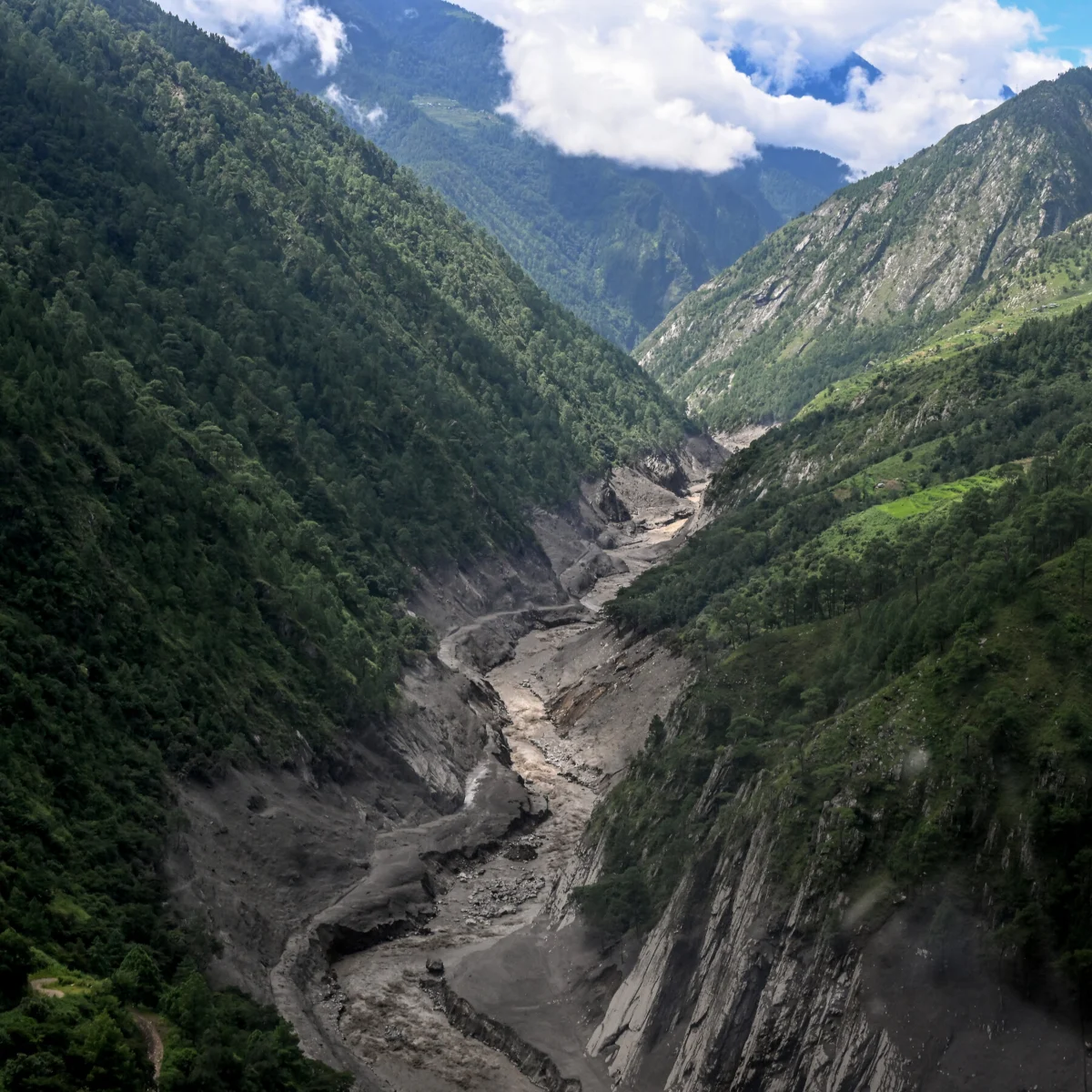
Climate change is heightening the risk of disasters such as the recent flooding in Nepal, as rising temperatures accelerate the melting of glaciers and permafrost in the Himalayas. While the exact causes of this week’s landslide remain under study, the broader trend of environmental degradation linked to global warming is clear.
The Himalayan region, which includes Nepal, is particularly vulnerable to the effects of climate change. The rapid melting of ice and snow contributes to the instability of mountain slopes, increasing the likelihood of landslides and floods that can devastate communities downstream.
KEY FACTS
- Glaciers and permafrost in the Himalayas are melting faster due to rising temperatures.
- Scientists are still studying the exact causes of this week’s landslide in Nepal.
- Climate change is increasing the risk of disasters like the recent floods.
HOW CLIMATE CHANGE AFFECTS THE HIMALAYAS
The Himalayas are often referred to as the ‘Third Pole’ due to their vast ice reserves. As global temperatures rise, these ice reserves are melting at an unprecedented rate. This not only contributes to rising sea levels but also destabilizes the region’s geography, making it more prone to catastrophic events like landslides and glacial lake outburst floods.
For Nepal, a country with limited resources to mitigate such disasters, the consequences are particularly severe. The melting permafrost reduces the structural integrity of mountain slopes, while the increased water flow from melting glaciers can lead to sudden and deadly floods.
WHAT WE KNOW — AND WHAT WE DON’T
Verified by the source:
- Glaciers and permafrost in the Himalayas are melting faster due to rising temperatures.
- Climate change is increasing the risk of disasters like the recent floods in Nepal.
Still unconfirmed:
- The exact causes of this week’s landslide in Nepal.
- The full extent of the damage caused by the floods.
WHY IT MATTERS
The increasing frequency and severity of natural disasters in the Himalayas underscore the urgent need for global action on climate change. For countries like Nepal, which are on the front lines of these environmental shifts, the stakes are especially high. Without significant reductions in greenhouse gas emissions, the region could face even more devastating events in the future.
WHAT TO WATCH
Scientists continue to study the specific factors behind this week’s landslide in Nepal. Further research will be crucial in understanding how climate change is influencing such events and what measures can be taken to mitigate their impact.