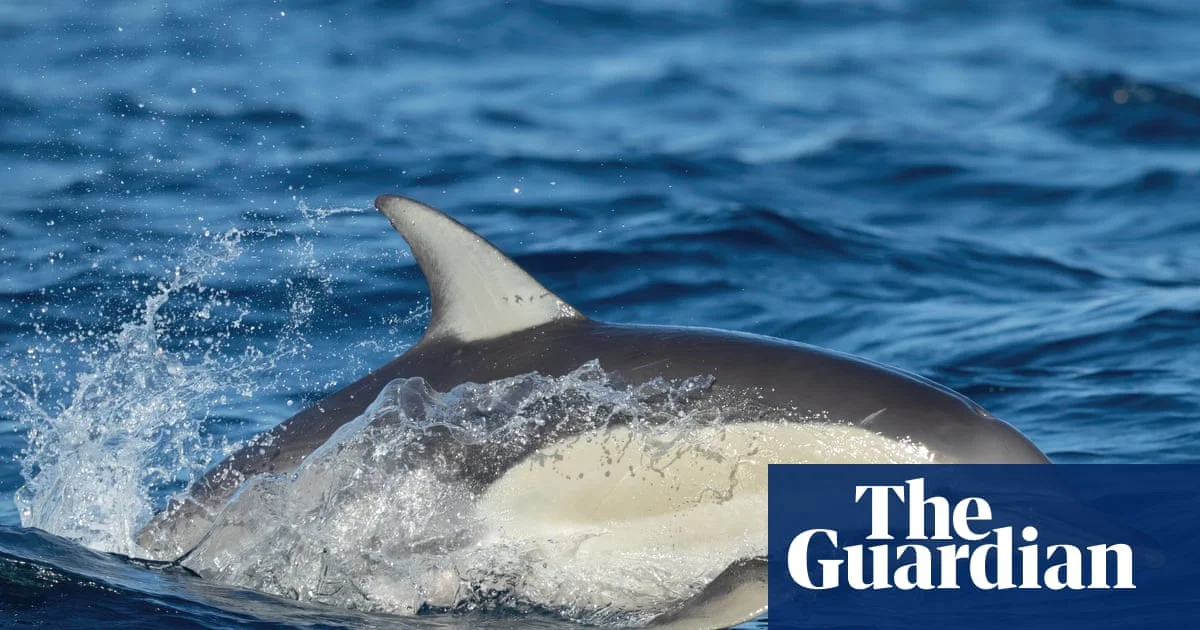
A dolphin has died from H5 bird flu in South Australia, marking the second known native mammal species to contract the virus. Meanwhile, the Australian government has announced the evacuation of 24 expeditioners from Macquarie Island due to the psychological risk of witnessing potential mass seal deaths during the breeding season.
KEY FACTS
- A dolphin in South Australia has died from H5 bird flu, becoming the second native mammal species known to contract the virus.
- The Australian government will evacuate 24 researchers from Macquarie Island due to “psychosocial risk” linked to potential mass seal deaths from H5N1.
- Macquarie Island is a subantarctic research station where scientists monitor wildlife, including seals during their breeding season.
WHY ARE RESEARCHERS BEING EVACUATED?
The Australian government cited “prolonged psychological stress” as the reason for withdrawing the expeditioners from Macquarie Island. Researchers stationed there would likely witness a high number of seal deaths caused by H5N1 during the breeding season, posing a mental health risk. The subantarctic island is a critical habitat for wildlife, and mass mortality events could have severe ecological consequences.
WHAT THE DOLPHIN DEATH REVEALS
The death of the dolphin from H5 bird flu highlights the expanding impact of the virus beyond bird populations. While avian influenza primarily affects birds, spillover events into mammals raise concerns about wider ecosystem disruptions. This is the second known case of H5N1 in a native Australian mammal, signaling potential vulnerability among wildlife.
WHAT WE KNOW — AND WHAT WE DON’T
Verified by the source:
- A dolphin in South Australia has died from H5N1, the second known mammal case in the region.
- 24 researchers will be evacuated from Macquarie Island due to the psychological risks of witnessing mass seal deaths.
Still unconfirmed:
- Whether the seal population on Macquarie Island has already been affected by H5N1.
- The exact species of the dolphin that died or whether other marine mammals are at risk.
WHY IT MATTERS
The spread of H5 bird flu to mammals raises concerns about ecological disruptions and potential risks to biodiversity. The evacuation of researchers underscores the broader psychological impact of disease outbreaks on those studying wildlife. Monitoring H5N1’s spread is critical to understanding its full threat to marine and terrestrial ecosystems.
WHAT TO WATCH
Further updates on the seal population at Macquarie Island will indicate the severity of the H5N1 outbreak. Scientists will also monitor whether more marine mammals contract the virus, potentially signaling wider ecological consequences.