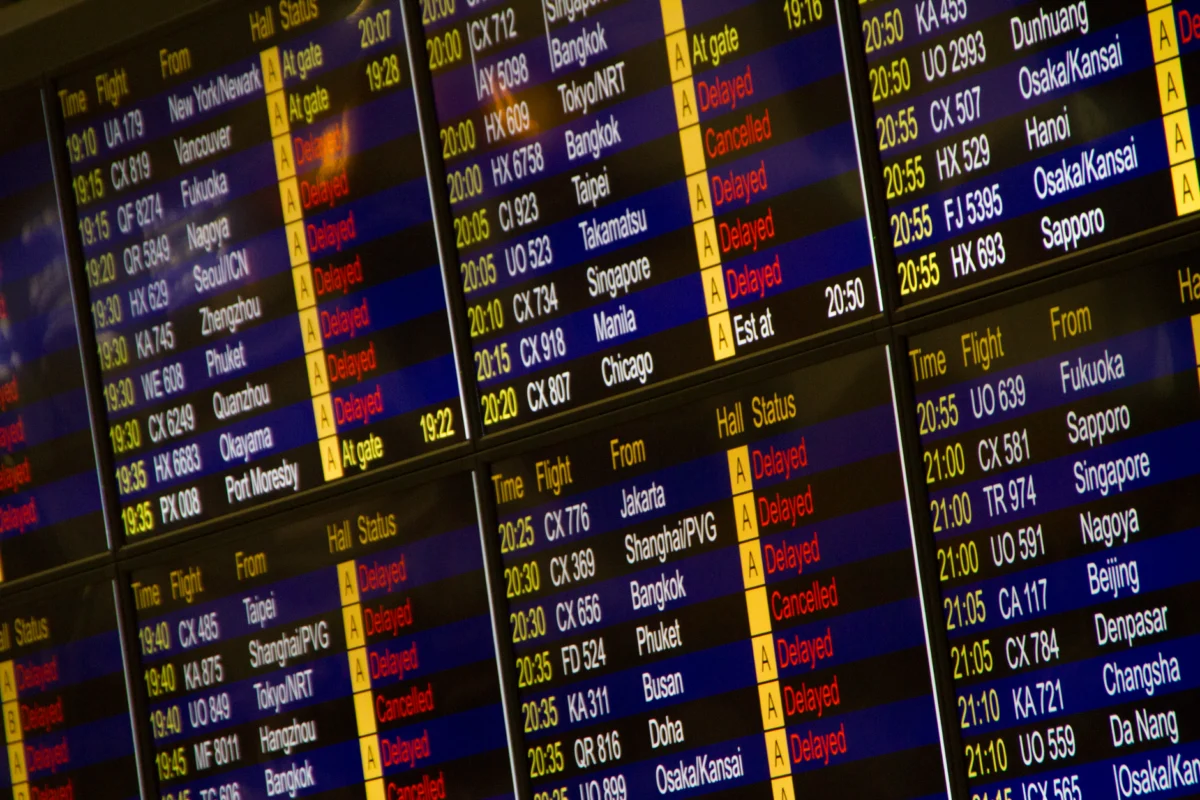
At 03:12 GMT, a passenger at Hong Kong International Airport stared at a blank board showing “Flight CX251 – Delayed – Awaiting Clearance” while a quiet fighter jet thundered overhead. The delay was not a technical glitch; it was part of a continent‑wide airspace crisis that has stalled close to 6,000 scheduled flights.
The disruption stretches from Beijing to Manila, with airlines reporting a cumulative 27,000 passenger‑hour losses in the last 48 hours. The crisis deepens as China’s military drills near Taiwan and in the South China Sea force civilian aircraft into longer, fuel‑burning detours.
What sparked the airspace crisis?
On March 15, the People’s Liberation Army launched a series of live‑fire exercises in the Eastern Theater Command, citing “national security” concerns. Within hours, Taiwan’s Ministry of Transportation announced a temporary restriction of its eastern air routes, a move echoed by neighboring Southeast Asian states fearing stray ordnance.
Airlines such as Singapore Airlines, Cathay Pacific, and AirAsia have all confirmed that they are forced to reroute or hold take‑offs until clearance is granted. The Asian Aviation Safety Authority (AASA) issued a region‑wide advisory warning of “unpredictable military activity” in the contested zones.
Why does this matter?
Beyond the obvious inconvenience, the airspace crisis threatens supply chains that rely on fast air freight. Electronics factories in Shenzhen, for example, depend on nightly cargo flights to ship components to manufacturers in Taiwan and South Korea. A delay of even one day can ripple into production lines, inflating prices for consumers worldwide.
Travel‑dependent economies feel the pinch too. Tourism revenue in Thailand and Vietnam, which together attracted over 30 million visitors last year, could dip by an estimated $1.2 billion if the standoff persists through the peak summer season.
Who is affected?
Business travelers, holidaymakers, and cargo operators all sit in the crossfire. A survey by the International Air Transport Association (IATA) found that 42 % of respondents have already canceled trips because of uncertainty over flight clearances.
Frequent flyers like Li Wei, a Shanghai‑based tech executive, now face three‑hour layovers in Kuala Lumpur as his flight circles the Malaysian airspace awaiting a rare clearance slot.
What happens next?
Analysts at the Center for Strategic Studies predict that unless diplomatic channels de‑escalate within the next week, airlines may start cancelling routes altogether, shifting passengers to over‑booked neighboring hubs.
Governments are reportedly holding emergency talks in Singapore, but no public schedule has been released. In the meantime, passengers are urged to check flight statuses regularly and consider flexible tickets.
For travelers, the airspace crisis is a reminder that geopolitics can land in the cabin seat next to you. The next announcement on the board could be a delay, a reroute, or, in a rare turn, a green light to finally take off.
We will keep monitoring the situation and update you as the diplomatic talks progress and airlines adjust their schedules.