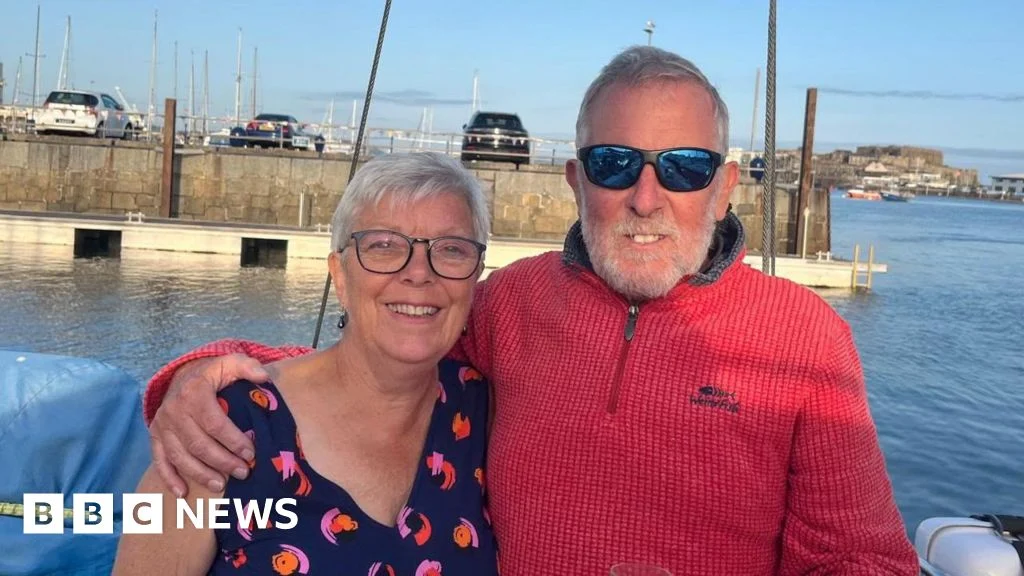
A Russian warship unleashed a burst of warning shots just 200 metres off the bow of a British yacht on Tuesday, a chilling scene captured by the couple on board.
Retired solicitor Michael Turner and his wife, 71‑year‑old former teacher Elaine, told BBC Newsnight they raised a white flag and altered their heading when the cruiser’s guns crackled, but the vessel continued firing.
What happened in the English Channel?
At approximately 14:30 GMT, the couple’s 12‑metre sailing yacht, The Seabird, was travelling eastward near the Strait of Dover when the Russian frigate Admiral Gorshkov opened fire with two 120 mm shells. The shots landed in the water, roughly 40 yards from the hull.
“We saw the flashes, heard the booms, and the crew shouted ‘Stop!’” Michael recounted. “We had already turned starboard to give them room, but the guns kept firing.”
British Maritime and Coastguard Agency logs show the warship entered the channel at 14:05 and remained in the vicinity for 12 minutes before returning to international waters.
Why does this matter?
The incident spikes tension in a waterway that carries more than 400 million tonnes of cargo each year and serves as a daily commuter route for millions. Any perceived threat could disrupt trade, raise insurance premiums, and push governments to revisit navigation rules under the 1958 Convention on the High Seas.
For ordinary travelers, the episode is a stark reminder that geopolitical rifts can surface on the waterway they cross on holidays or work commutes.
UK government launches investigation
Home Office minister Victoria Atkins announced a formal inquiry on Thursday, warning that “any use of force in British waters will be scrutinised in the strongest possible terms”. She did not name the Russian navy yet, pending diplomatic protocol.
The Foreign Office has lodged a protest with Moscow, citing the UN Charter’s prohibition on unprovoked threats to civil navigation.
Russia’s Ministry of Defence released a brief statement saying the frigate was “conducting routine patrols” and “responded to an unidentified vessel that failed to comply with a request to halt” – a claim the Turners dispute.
What happens next?
The inquiry will review radar data, the yacht’s AIS transmission, and the warship’s logs. If the British authorities deem the shots unlawful, they could impose sanctions, restrict Russian naval access, or demand compensation for the Turners’ damaged vessel.
Maritime lawyers predict a protracted legal battle, noting precedent from the 2018 “Karbala‑2” incident where NATO vessels fired warning shots after a civilian boat ignored radio warnings.
Meanwhile, the incident fuels debate across Europe about the safety of NATO’s eastern flank and the readiness of civilian crews to recognise and react to military signals.
Readers following the evolving security picture can track updates in the war‑geopolitics folder and see how this episode could ripple into economy and markets later this year.