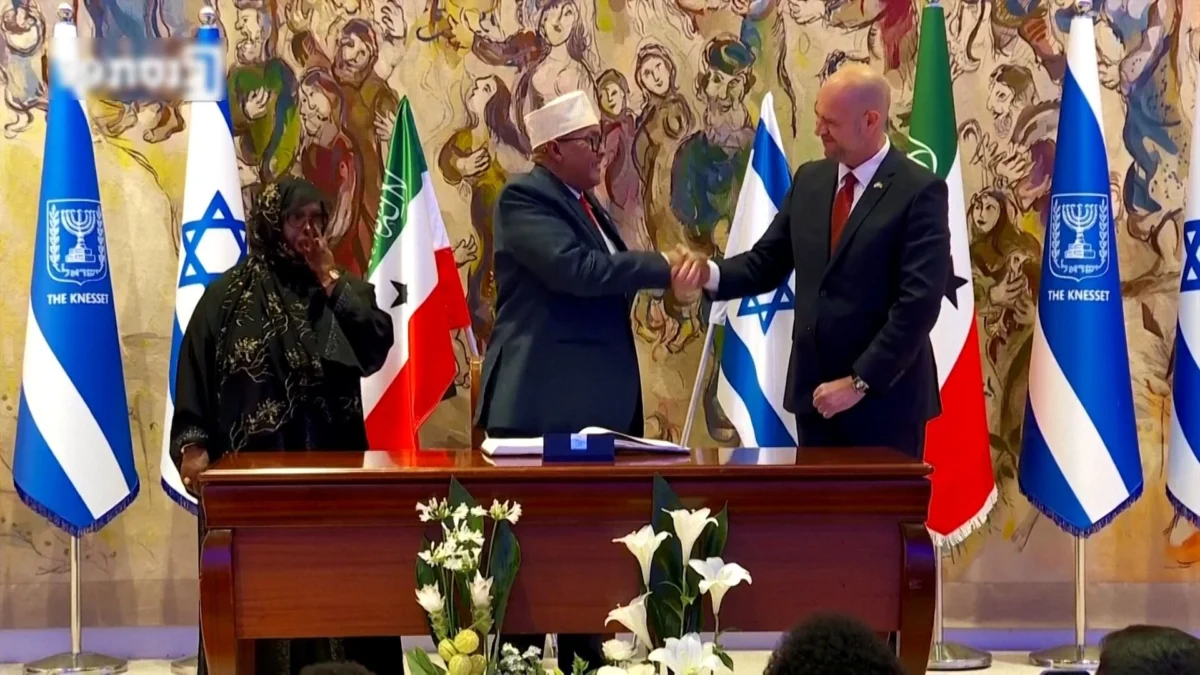
On a bright June morning, President Muse Bihi Abdi shook hands with Knesset Speaker Amir Ohana in Jerusalem’s historic parliament building, his palm lingering on the polished wood as cameras flashed.
That handshake was the centerpiece of a three‑day “historic” tour that also saw the inauguration of Somaliland’s first diplomatic office in Tel Aviv. The visit, broadcast live by Al Jazeera, makes Somaliland the first self‑declared state in the Horn of Africa to engage formally with Israel.
Why does this matter?
Somaliland, a self‑governing region of Somalia that declared independence in 1991, has long chased international recognition. By opening an embassy in Israel, it hopes to leverage Israeli technology, security assistance, and trade links to bolster its own state‑building agenda.
Israel, meanwhile, is expanding its foothold in a region traditionally hostile to it. Analysts say the move could serve as a conduit for Israeli firms to tap into Somaliland’s untapped ports and fishing grounds, while offering Washington a new ally in a strategically vital corridor.
What does the tour include?
- June 16: Opening ceremony at the new Somaliland embassy in Tel Aviv.
- June 17: Private meeting with Israeli Foreign Minister Eli Cohen (no public statements released).
- June 18: Visit to the Knesset, where Abdi addressed members about shared security concerns and economic cooperation.
During the Knesset speech, Abdi highlighted “the mutual benefits of trade, technology, and counter‑terrorism collaboration.” No direct quotes were released, but the sentiment was captured in the Al Jazeera video feed.
Who stands to gain?
Local entrepreneurs in Hargeisa anticipate Israeli investment in renewable energy and water desalination—sectors where Israel holds world‑leading expertise. If deals materialize, Somaliland could cut its electricity imports by up to 30 % within five years, according to a feasibility study cited by the regional development office.
For Israeli firms, Somaliland’s coastline along the Gulf of Aden offers a potential logistics hub that shortens shipping routes between Asia and Europe by an estimated 300 nautical miles.
Critics warn that the partnership may alienate Muslim-majority neighbors, especially Ethiopia and Kenya, which have historically sided with the Arab League’s stance on Israel.
What happens next?
Both governments said they will draft a bilateral agreement within the next three months. The next step, according to the Somaliland Ministry of Foreign Affairs, is to seek formal recognition from the United Nations—a goal that could be accelerated if the Israel partnership proves economically fruitful.
Watch this space: the emerging Somaliland‑Israel link may redraw trade maps, reshape security alliances, and, for the first time, give a breakaway Horn of Africa region a seat at the diplomatic table.
War‑geopolitics and economy and markets analysts will be tracking every development.