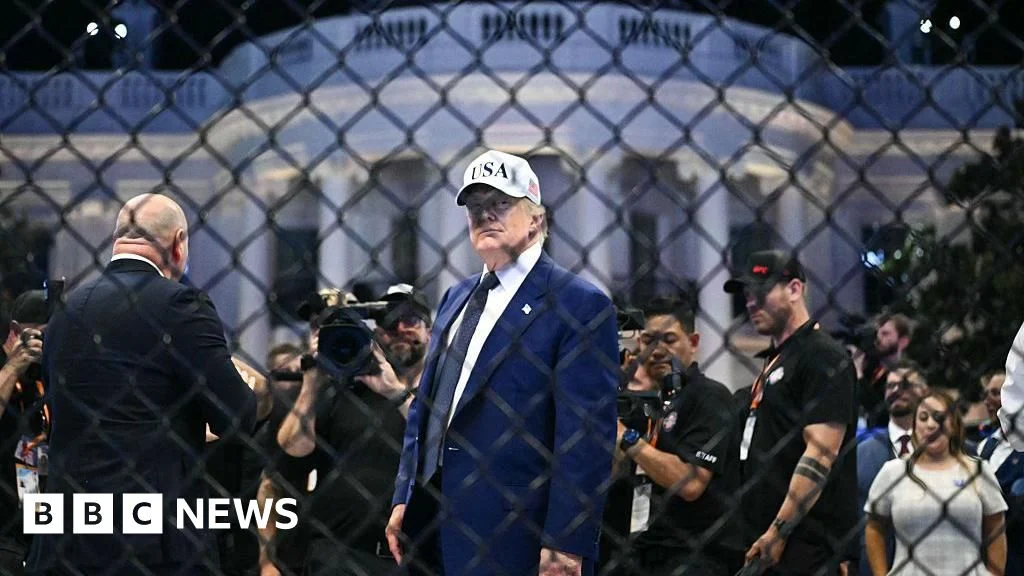
A black‑clad courier slipped a folded, two‑page schematic into a Capitol Hill lobby on March 3, sketching sniper nests on the West Wing lawn and a flight path for three commercial‑grade drones. That paper was the linchpin in the FBI’s revelation of a planned White House attack on a high‑profile UFC event.
The dossier, unsealed in court filings on June 12, alleges a loosely organized cell called “Patriotic Front” plotted to cripple the president’s security detail during a mixed‑martial‑arts bout slated for the White House lawn in April. The group reportedly discussed using long‑range rifles, commercially available quadcopters, and a homemade explosive device.
According to the indictment, the cell’s manifesto listed three grievances: alleged corruption in Washington, the release of the Jeffrey Epstein files, and the expansion of data‑centre megastructures in Virginia. No official spokesperson is named in the filing; the government’s narrative comes directly from the indictment text and FBI statements cited by BBC News.
How the Plot Was Thwarted
Federal agents intercepted encrypted chats on a hidden server, tracking a payment of $12,800 routed through a cryptocurrency mixer. The money earmarked the purchase of a high‑precision 0.50‑caliber rifle and three DJI Mavic drones fitted with adhesive‑borne explosives.
Police seized two rifles, five drones, and a cache of ammunition from a rented garage in Fairfax County. The operation was halted before the fighters entered the White House compound, preventing what could have been the first violent assault on a presidential venue in modern U.S. history.
Why does this matter?
Beyond the immediate threat, the case underscores a growing trend: extremist groups exploiting cheap, off‑the‑shelf technology to target symbols of state power. The incident also raises questions about security protocols for public events at the White House, especially as the venue expands its cultural outreach.
For ordinary citizens, the plot is a stark reminder that domestic terrorism no longer requires sophisticated weaponry or a deep‑rooted network. A handful of individuals can assemble a lethal package using readily available gear and online tutorials.
Legal Fallout and Next Steps
Four suspects have been charged with conspiracy to commit terrorist acts, illegal possession of firearms, and providing material support to a terrorist organization. Their trial is set for September 2026, where prosecutors will present the unsealed filings as evidence.
Law‑makers are already debating tighter regulations on drone sales and expanded background checks for high‑capacity rifles. Technology and AI experts warn that algorithmic surveillance may become a double‑edged sword, balancing privacy against pre‑emptive security.
Meanwhile, the UFC has postponed the White House bout, citing “unforeseeable security concerns.” Fans can expect the promotion’s next major event to shift to a traditional arena, sparing the capital a second brush with violence.
What happens next?
The FBI says it will continue monitoring extremist chatter for similar plots, especially those targeting high‑profile cultural events. The agency also plans to share its findings with state and local law‑enforcement partners to tighten perimeter defenses at federal sites.
For now, the White House’s garden remains a symbol of political ceremony rather than battlefield, but the specter of drone‑enabled attacks lingers. As the nation watches the upcoming trial, one thing is clear: the line between online radicalization and real‑world violence is growing thinner.
Stay tuned as the case unfolds and policymakers grapple with the balance between open‑air events and national security.