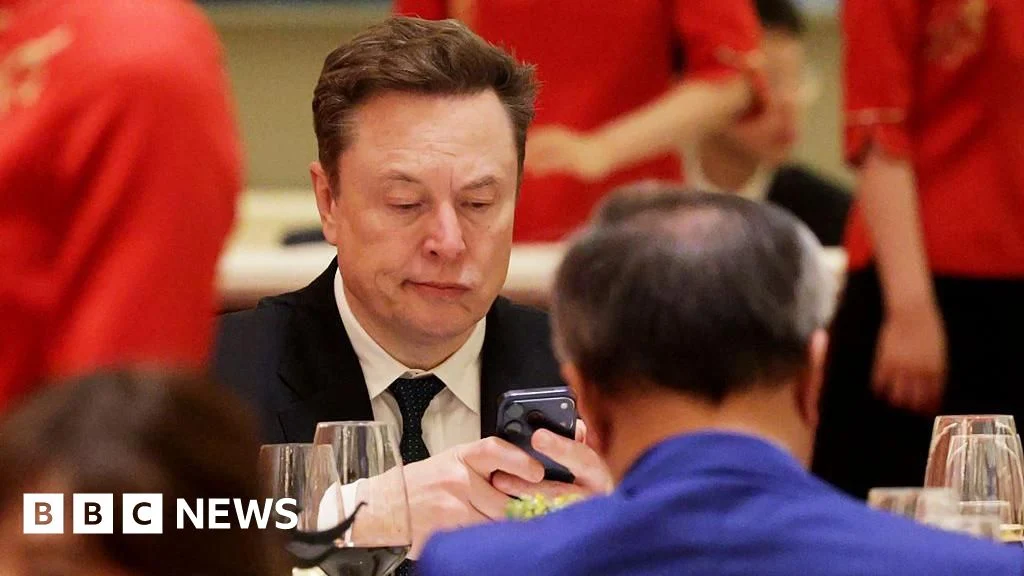
At 7:02 p.m. on Tuesday, ZDF’s flagship news program cut a five‑second intro that showed Elon Musk proclaiming the network’s coverage “full of outrageous lies”.
The abrupt edit was a direct response to a cease‑and‑desist letter Musk’s legal team mailed to the broadcaster on Monday.
In the letter, Musk demanded the removal of the clip, calling it a “defamatory portrayal” and threatening legal action if ZDF did not comply.
Within hours, ZDF’s director of programming confirmed the segment had been taken down and replaced with a standard title card.
Why does this matter?
The incident spotlights how billionaires can influence public‑service media, especially in democracies where state‑funded broadcasters are meant to operate independently.
It also raises questions about the legal thresholds for defamation in Germany, a country where the burden of proof traditionally favors the plaintiff.
What happens next?
Legal analysts say Musk could still pursue a lawsuit if ZDF re‑airs the clip or publishes a similar statement elsewhere.
“German courts have a high bar for “false statements” but they also protect personal reputation vigorously,” wrote a commentator at technology and AI who prefers not to be named.
For now, ZDF has issued a brief apology on its website, acknowledging the clip “did not meet our editorial standards”.
Critics argue the broadcaster’s swift compliance may set a chilling precedent, prompting other media outlets to self‑censor to avoid costly legal battles.
Supporters of Musk claim the original footage exposed a pattern of bias that public broadcasters must be held accountable for.
Either way, the clash underscores a growing tension between powerful tech figures and traditional news institutions.
As the story develops, observers will watch whether German media regulators intervene or if the case proceeds to court, potentially redefining the limits of permissible criticism of public figures.
Stay tuned for updates on this legal showdown and its implications for press freedom across Europe.