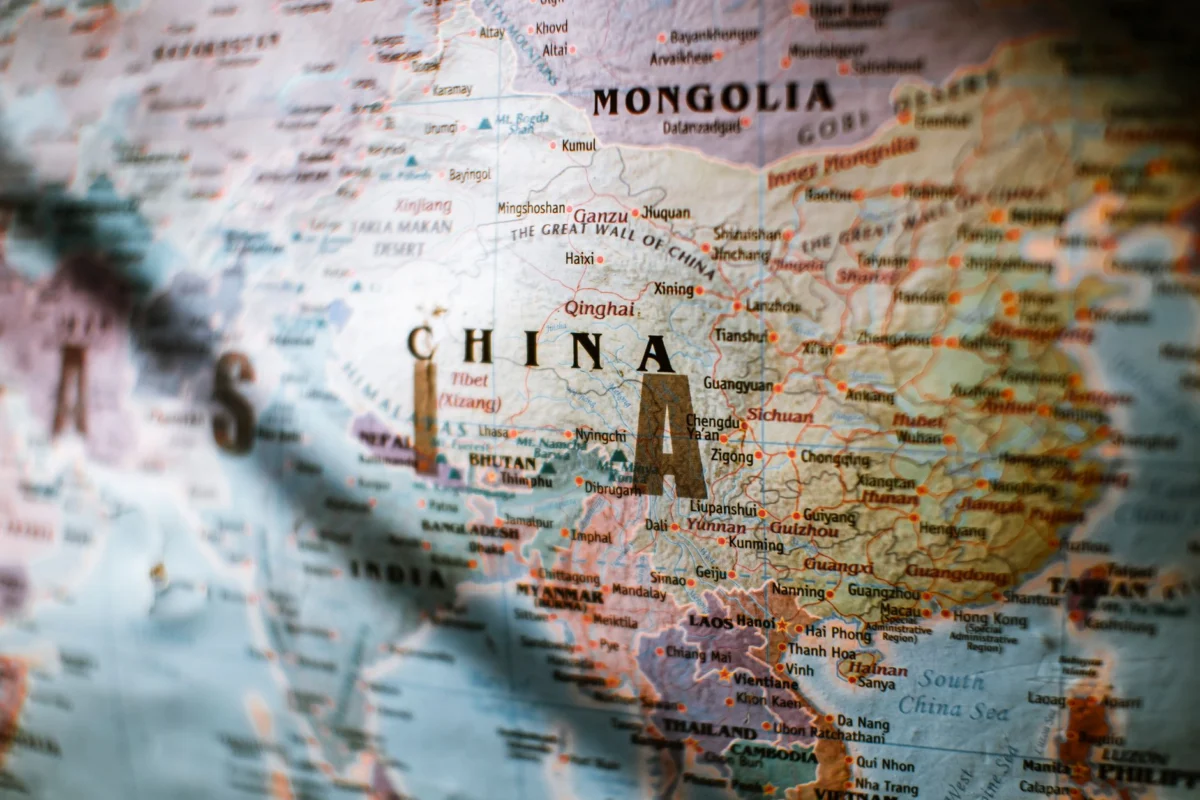
China’s delegation walked into a United Nations briefing room on June 17, 2026, clutching a slim red folder that listed 27 amendments it would veto – a number that matched the total of all reform proposals the bloc had received since 2020.
This stark visual underscored why Beijing insists on preserving the “existing UN order.” The phrase, repeated by senior officials at the Toda Peace Institute webinar, is more than diplomatic jargon; it is a defensive bulwark against any restructuring that could empower regional rivals.
What the “existing UN order” really means
The UN order refers to the current balance of power within the United Nations: permanent Security Council seats, the veto, and the committee structures that gate‑keep sanctions, peacekeeping mandates and development aid. China, the world’s second‑largest economy, occupies one of the five permanent seats and has used its veto 22 times since 1990, according to the UN’s own records.
At the Toda Peace Institute event, analysts argued that Beijing’s insistence on the status quo is a tactical move to keep the Security Council’s veto power intact, preventing future resolutions that might legitise Taiwan’s de‑facto independence or demand a multilateral arbitration of South China Sea claims.
Why does this matter?
For ordinary citizens in Taiwan, an altered UN structure could open diplomatic doors that are currently closed. For global traders, a UN‑backed peacekeeping mission in the disputed Spratly reefs could alter shipping lanes that move over $5 trillion of goods each year.
Moreover, the United States and its allies have been pushing a “quiet reform” agenda – incremental changes to the Council’s working methods without touching the veto itself. China’s hardline stance threatens to stall these talks, keeping the status quo that favors Beijing’s strategic calculations.
Who benefits from the UN order?
Beyond China, other permanent members – Russia, the United Kingdom, France and the United States – also profit from a system that cushions their geopolitical influence. The United Nations Development Programme (UNDP) has noted that development funding flows through the same committee channels that the veto can block, meaning any reform could redistribute aid power.
Critics, such as scholars at the Brookings Institution, say the current order entrenches a “great power club” that neglects the voice of smaller nations, especially those in Africa and the Pacific that are most vulnerable to climate‑driven migration.
What happens next?
In the coming months, the UN General Assembly will convene a special session on Security Council reform. China has already signalled it will oppose any proposal that raises the number of permanent seats or dilutes the veto.
If Beijing maintains its hard‑line, the reform process could stall indefinitely, leaving the UN – and the world – stuck in a diplomatic dead‑end at a time when coordinated action on climate, pandemics and maritime security is more urgent than ever.
Watch for the next round of statements from the Chinese Foreign Ministry and the U.S. State Department; their interplay will set the tone for whether the UN order evolves or remains frozen in place.