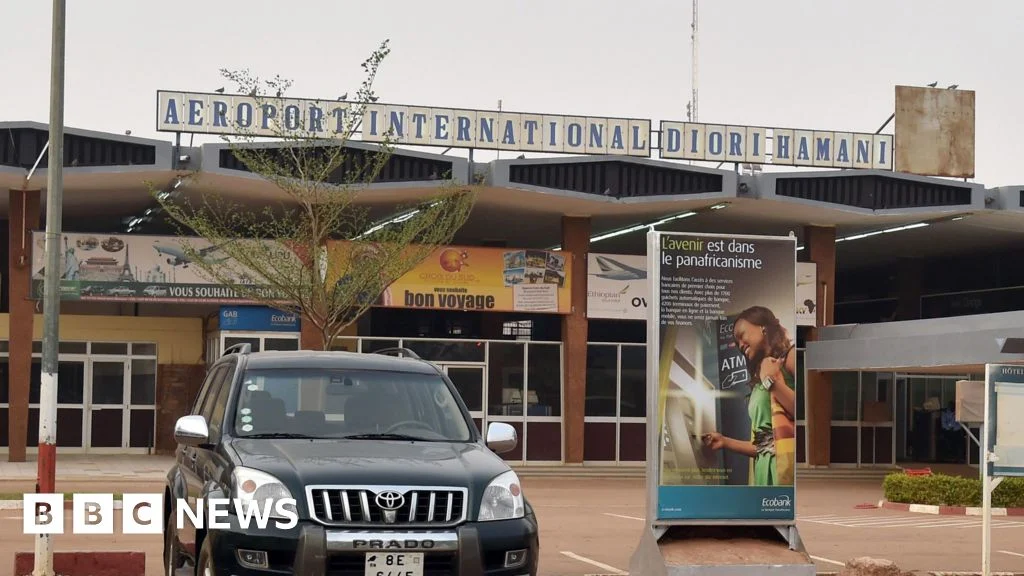
A chain‑smoke plume rose over Diori Hamani International Airport in Niamey as gunfire rattled the tarmac, and emergency crews rushed to count the dead.
The Niger airport attack killed 35 people, including civilians and security personnel, according to local officials.
What happened at the airport?
At approximately 09:45 GMT, masked gunmen in black uniforms opened fire on the departure lounge and nearby parking area. Witnesses say the assailants used automatic rifles and tossed hand‑grenades before fleeing in a convoy of two pickup trucks.
Security forces responded within minutes, engaging the attackers in a brief firefight. By the time the gunfire stopped, the casualty tally had risen to 35, with dozens more injured.
Why does this matter?
The Niger airport attack underscores the fragility of security in a country that has battled a militant Islamist insurgency for ten years. In January, suspected jihadists tried a similar raid on the same airport, but the death toll was lower. The repeat strike suggests the group’s ability to regroup and strike high‑profile targets.
For travelers, airlines, and businesses that rely on Niamey’s air hub, the incident raises immediate concerns about safety, insurance premiums, and potential flight cancellations. More broadly, the attack could push regional partners to rethink counter‑terror strategies and influence foreign aid allocations.
Who is behind the assault?
Authorities have not officially named a group, but analysts link the pattern of tactics and the timing to the Islamic State’s West Africa Province (ISWAP), which has been active across the Sahel.
“The choice of the capital’s main airport indicates an intent to project power beyond the Sahel’s borderlands,” one security analyst noted in a briefing (source: BBC).
What happens next?
The Nigerien government has announced a statewide security alert and pledged to increase patrols around major infrastructure sites. International partners, including France and the United Nations, are expected to send additional advisors to help coordinate a response.
Meanwhile, airlines are reviewing flight schedules, and some passengers have been rerouted to neighboring airports in Burkina Faso and Mali.
Watch this space for updates on the investigation, potential claims of responsibility, and how the attack reshapes security policy in the Sahel.
Read more about regional conflict dynamics in our war‑geopolitics coverage.