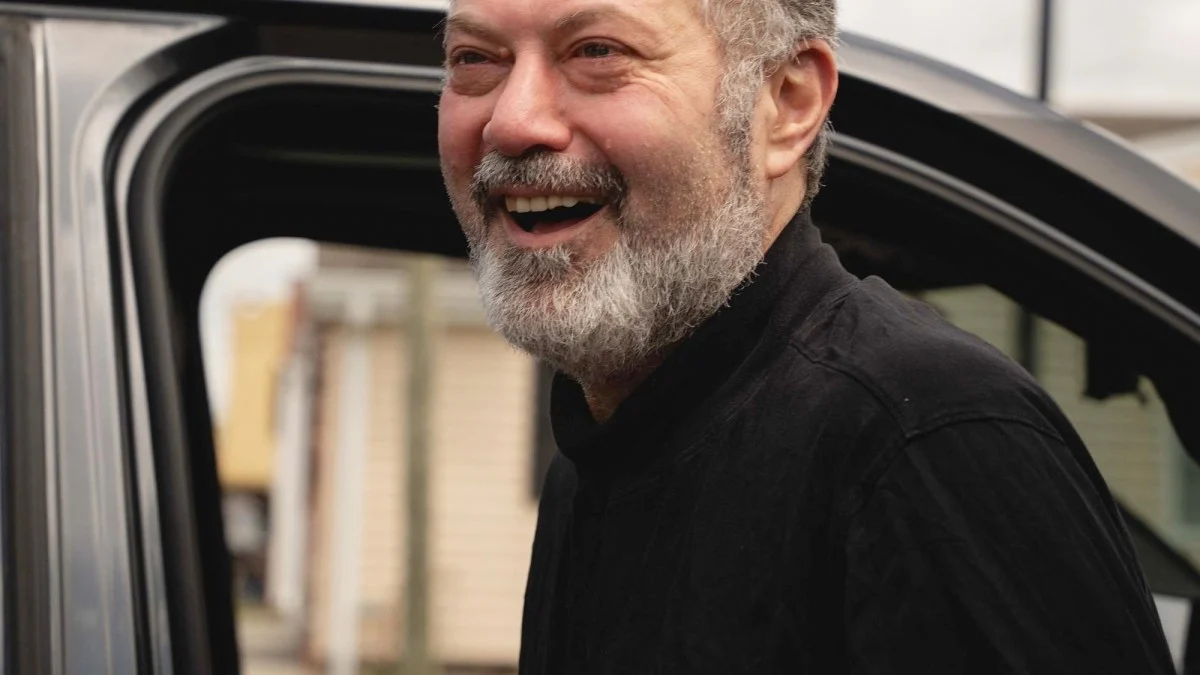
A federal judge in New York ordered the release of Imam Mohamed Al‑Karmi, a mosque leader who had been detained by ICE for his outspoken Palestine advocacy, stating the government had no legal basis to hold him.
Al‑Karmi, 46, was taken into custody on June 5 after a routine immigration check at John F. Kennedy Airport. He spent 13 days in a detention center in Queens before the court’s decision on June 18.
“I was arrested simply because I spoke about the injustice faced by Palestinians,” Al‑Karmi told reporters outside the courthouse. His attorney, Laura Martinez, argued the detention violated his First Amendment rights and that ICE had no evidence of a criminal violation.
Why does this matter?
The case sits at the intersection of two heated national debates: the scope of U.S. immigration enforcement and the protection of political speech for diaspora communities. Critics say the government is using immigration law to silence dissent, while supporters argue ICE is merely enforcing existing statutes.
Legal analysts note that the judge’s ruling could set a precedent for future challenges against the use of immigration detention as a tool for suppressing activism. “This is a litmus test for how far the state can go in targeting speech under the guise of border security,” said a constitutional law professor at Columbia University.
What happens next?
ICE has filed an appeal, arguing that the judge overstepped by mixing immigration law with free‑speech concerns. The Department of Justice is expected to submit a brief within 21 days.
If the appellate court upholds the release, advocacy groups say it will embolden other activists facing similar detentions. If the appeal succeeds, ICE could resume detaining individuals based on political expression, raising alarms among civil‑rights organizations.
For now, Al‑Karmi is back at his mosque in Brooklyn, where he plans to resume his regular Friday sermons. “We will continue to speak for justice,” he said, waving to a crowd of supporters.
This story matters to anyone who worries that immigration policies could be weaponized against political dissent, a concern that stretches from community churches to corporate boardrooms. The outcome will affect how NGOs, universities, and even everyday citizens engage in public discourse without fear of detention.
Stay tuned as the appeal unfolds and watch how this battle over the Palestine advocate release reshapes the legal landscape for free speech in the United States.
Read more on related topics in war‑geopolitics and politics.