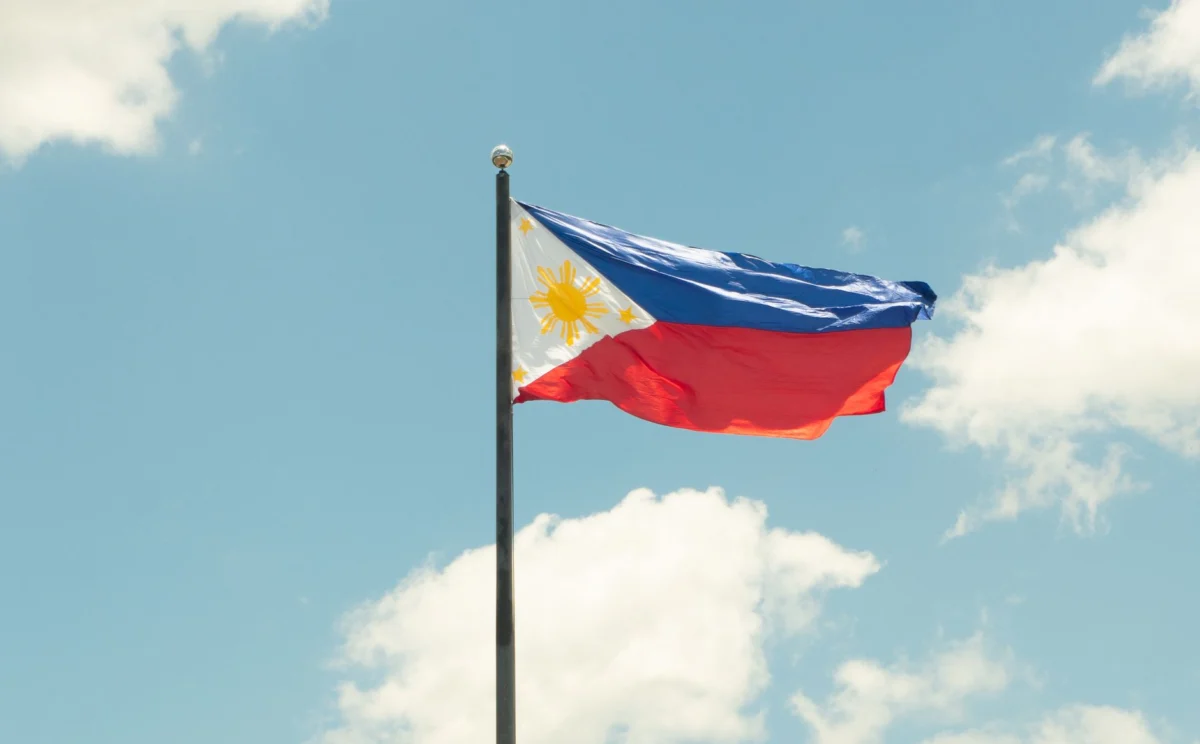
On a humid Manila morning, a convoy of U.S. Navy destroyers glided into Subic Bay, their hull numbers flashing against the sunrise. It was the first joint patrol in the Philippines since the 2022 Mutual Defense Treaty upgrade, and it signaled a broader shift: Manila is deepening its network of strategic security partners.
The push comes as China steps up its island‑building spree in the South China Sea, deploying over 2,800 troops to the Spratly archipelago in the past six months alone. In response, the Philippines has signed new defense agreements with the United States, Japan, Australia, and the United Kingdom within a three‑month window.
Why does this matter?
For the 110 million Filipinos who rely on fisheries and shipping lanes that snake through disputed waters, the stakes are immediate. The World Bank estimates that the South China Sea contributes roughly $5 billion annually to the Philippines’ economy through trade and fisheries. Any disruption could ripple through grocery aisles and fuel prices worldwide.
Beyond economics, the bolstered alliances challenge China’s “grey zone” tactics—coercive actions short of war that aim to force Manila’s acquiescence without a formal declaration of conflict.
What new agreements were signed?
Last week, Manila’s Department of National Defense inked a Reciprocal Access Agreement (RAA) with Japan, granting Japanese Self‑Defense Forces temporary basing rights on Philippine soil. Two weeks earlier, an Enhanced Defense Cooperation Agreement (EDCA) amendment with the United States expanded the number of U.S. troops allowed to train in the archipelago from 5,000 to 8,000.
Australia’s Pacific Step‑up Initiative now includes a $500 million joint maritime surveillance program, while the United Kingdom announced a permanent naval presence as part of its Indo‑Pacific strategy.
Who is affected?
The new security matrix directly impacts the Philippines’ armed forces, which have received $1.1 billion in foreign military aid since 2023. It also touches neighboring ASEAN members, who watch Manila’s maneuvering for clues on how to balance China’s rise with their own sovereignty concerns.
American and Japanese defense contractors see a surge in contract opportunities, while Chinese shipyards risk losing contracts for logistical support to the Philippines.
What happens next?
Analysts expect a series of joint exercises—”Freedom Shield” with the United States, “Pacific Vanguard” with Japan, and “Southern Horizon” with Australia—scheduled for the second half of 2026. These drills will test integrated command structures and signal to Beijing that Manila will not stand alone.
China has already issued a diplomatic protest, accusing the Philippines of “forming a hostile bloc” and warning of “necessary counter‑measures.” Whether Beijing will respond with more island fortifications or a calculated diplomatic overture remains uncertain.
For ordinary citizens, the real question is whether these high‑level pacts translate into safer seas, steadier food prices, and fewer headlines about fishing boats being boarded.
Watch this space: as the Philippines tightens its security web, the balance of power in the Indo‑Pacific could tilt dramatically, reshaping trade routes, military doctrines, and everyday lives across the globe.