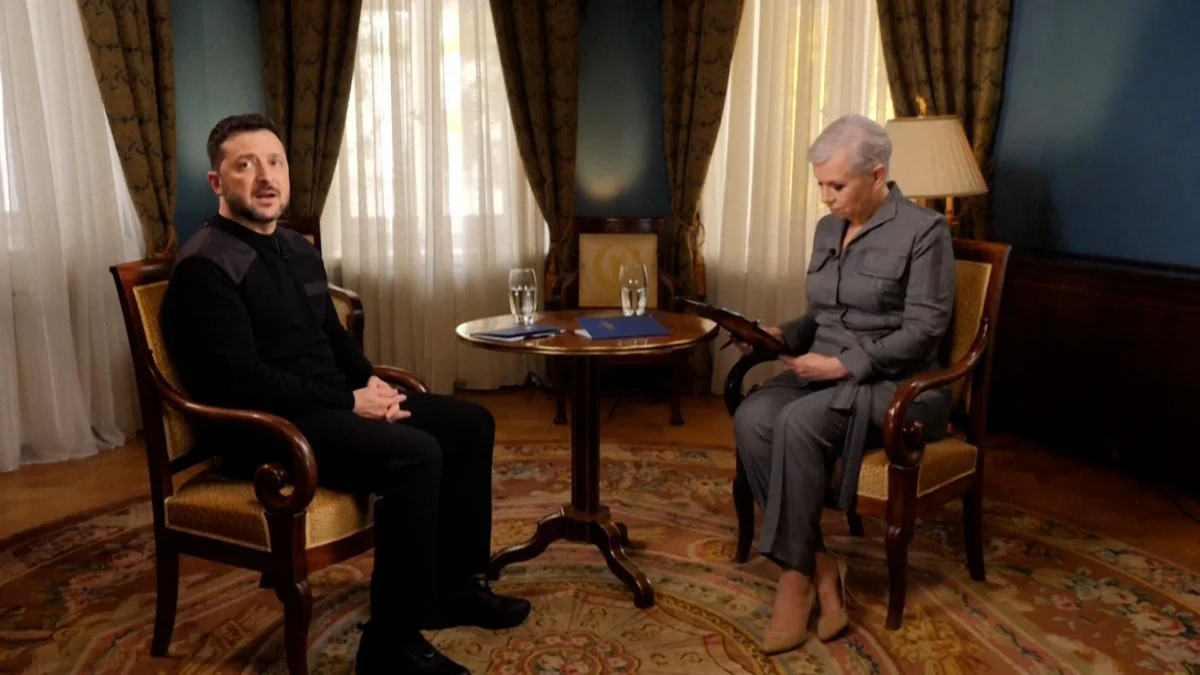
Ukrainian President Volodymyr Zelenskyy has announced that peace talks involving Russia and the United States are set to restart, signaling a renewed push for diplomatic dialogue after a prolonged period of stalled negotiations. The statement, reported by Al Jazeera, suggests a possible opening for renewed international efforts to address the ongoing war in Ukraine.
The announcement comes at a time of escalating global attention on the conflict, with world leaders grappling over strategies to de-escalate hostilities. While details about timing or format remain unclear, the mere mention of restarting negotiations carries symbolic weight, particularly given the previous breakdowns in communication between Kyiv, Moscow, and Washington.
Key Facts
- Zelenskyy said peace talks with Russia and the US will restart.
- Announcement was reported by Al Jazeera.
- Details about timing or structure were not provided.
- The statement marks a shift toward diplomatic engagement.
- Global leaders have shown increased interest in peace processes lately.
What This Means for Diplomacy
The resumption of peace talks, even if preliminary, introduces a new dynamic into the diplomatic landscape surrounding the Ukraine conflict. Past rounds of negotiations have faltered due to disagreements over territorial claims, security guarantees, and humanitarian issues. By naming both Russia and the United States as participants, Zelenskyy appears to be signaling that broader geopolitical alignment may be necessary for any agreement to take hold.
While Al Jazeera did not specify whether formal invitations have been issued or responses received from either party, the gesture itself reflects growing international pressure for a negotiated resolution. Previous attempts at mediation—such as those led by Turkey, UN envoys, or European mediators—have yielded limited progress, suggesting that involving major powers like the US could reshape the balance of influence.
For ordinary Ukrainians and Russians affected by the war, the news may offer cautious hope. However, without concrete timelines or frameworks, public skepticism remains high. Still, the act of publicly announcing intent can serve as a strategic signal—to allies, adversaries, and domestic constituencies—that Kyiv is actively pursuing alternatives to military escalation.
How Did We Get Here?>
The current push for dialogue builds on months of shifting battlefield dynamics and evolving international stances. Since the full-scale invasion began, numerous ceasefires and temporary pauses have failed to hold, leading many analysts to question the viability of traditional peace models. Recent statements from Western capitals indicate growing fatigue with open-ended support, while Russian officials have alternated between rejecting and tentatively entertaining talks depending on perceived military momentum.
Against this backdrop, Zelenskyy’s appeal for renewed peace talks aligns with his broader strategy of maintaining international visibility and leveraging foreign partnerships. His administration has consistently framed the war not just as a regional crisis but as a global challenge requiring coordinated action—a narrative that resonates amid food shortages, energy disruptions, and refugee flows across continents.
Historically, conflicts of this scale often enter extended negotiation phases only after years of attrition. Yet the speed at which digital diplomacy spreads information—and misinformation—means today’s declarations carry immediate weight. Whether these early signals translate into structured dialogue ultimately depends on follow-through from all involved parties.
What We Know — and What We Don’t
Verified by the source:
- President Zelenskyy declared that peace talks with Russia and the US are planned to resume.
- The announcement was covered by Al Jazeera – Breaking News, World News and Video from Al Jazeera.
- No official response or confirmation from Russian or American authorities was included in the report.
Still unconfirmed:
- Exact dates or venues for potential negotiations.
- Specific agendas or participant lists beyond the three named countries.
- Whether any preliminary contact has already occurred behind closed doors.
Why It Matters
In a world where armed conflicts increasingly strain international alliances, diplomatic openings—no matter how nascent—represent vital opportunities for de-escalation. If genuine momentum develops around restarting peace talks, it could influence everything from defense spending decisions to humanitarian aid delivery routes, affecting millions beyond the immediate combat zones.
What To Watch
Observers should monitor whether formal proposals emerge in the coming weeks and how quickly other key stakeholders respond. The next phase of peace talks will largely depend on reciprocal engagement from Moscow and Washington.
Zelenskyy’s call for renewed peace talks adds urgency to an already complex geopolitical moment. Peace talks restart amid global calls for diplomacy.