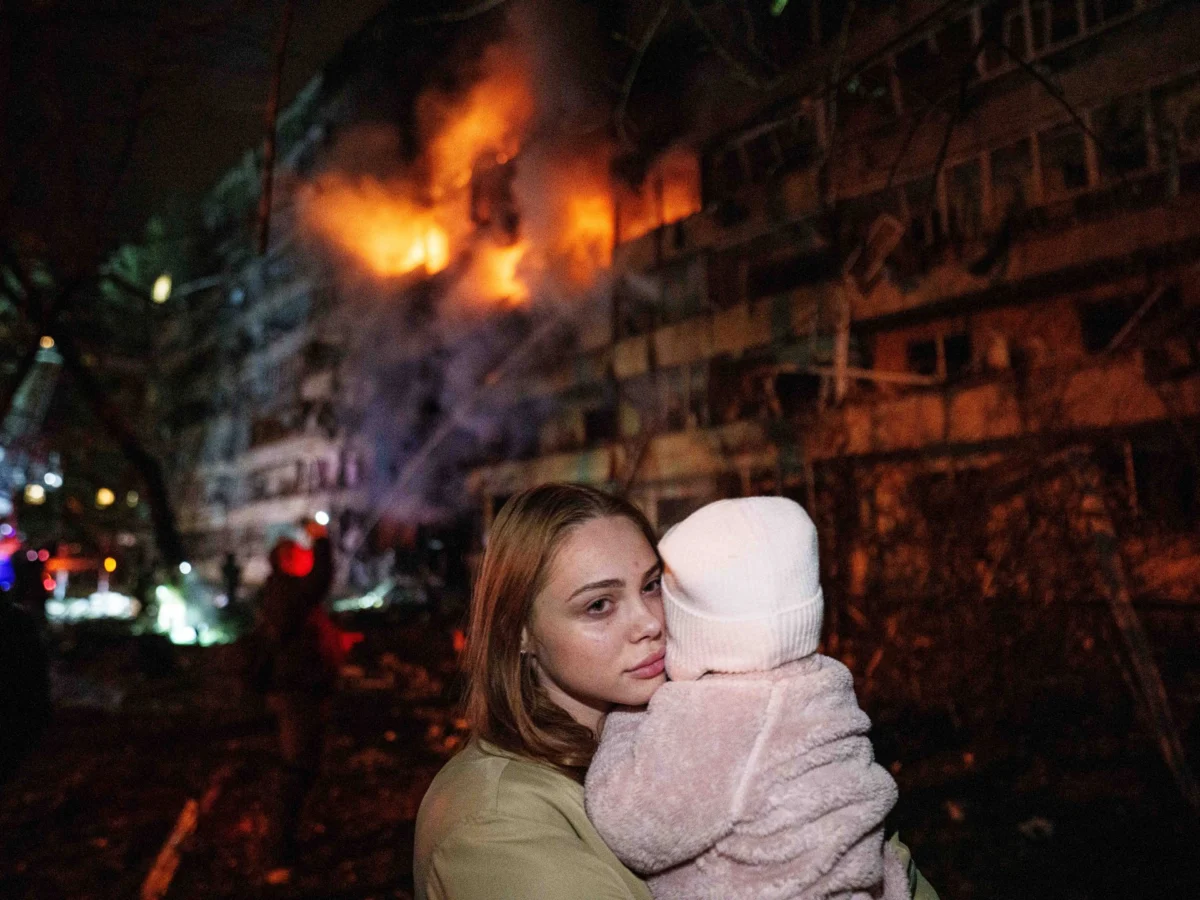
A UN commission has determined that Russian attacks on Ukraine energy infrastructure constitute war crimes, citing a pattern of strikes targeting heating plants and power lines over nearly five years of conflict. The commission described what it called the deliberate weaponisation of cold as a tactic, framing the energy infrastructure as a legitimate military target despite civilian impact.
The findings mark one of the most direct international legal condemnations yet issued regarding Russia’s campaign against Ukraine’s power grid and heating systems. By classifying these actions as war crimes, the UN commission adds to a growing body of international scrutiny over the conduct of the war and its effects on civilian populations during winter months.
Key Facts
- UN commission says Russian attacks on Ukraine energy infrastructure are war crimes
- Commission notes weaponisation of cold in nearly five years of attacks
- Attacks targeted heating plants and power lines
- Findings follow sustained strikes on civilian energy facilities
The Story
What happens next?
The UN commission’s determination that Russian attacks on Ukraine energy infrastructure amount to war crimes does not itself impose criminal responsibility. Legal consequences would require referral to the International Criminal Court or other tribunal, a step that depends on broader geopolitical consensus and procedural developments.
Meanwhile, the pattern of strikes on heating plants and power lines has continued, with the commission highlighting the deliberate nature of targeting facilities essential to civilian survival during winter. This framing strengthens calls within the international community for accountability mechanisms.
Who is affected?
Ukrainian civilians remain the primary group affected by the campaign of attacks on energy infrastructure, facing disrupted access to heating and electricity during critical months. The commission’s focus on the weaponisation of cold underscores how energy disruption translates into direct harm for households and vulnerable populations.
Health services, schools, and essential businesses have all reported reliance on emergency power sources during outages. International aid agencies have warned repeatedly about the compounding effects of infrastructure damage on already strained social services.
How did we get here?
Nearly five years of Russian attacks on Ukraine energy infrastructure have produced a steady accumulation of international documentation. The UN commission, established to monitor violations, has tracked a consistent pattern of strikes on heating plants and power lines as part of broader urban warfare.
The latest determination reflects a culmination of reporting that links repeated targeting of energy facilities to a strategic intent. Such intent, according to the commission, goes beyond tactical military advantage and crosses into prohibited methods of warfare.
Why it matters
The classification of Russian attacks on Ukraine energy infrastructure as war crimes carries symbolic weight even before formal legal proceedings. It signals growing international consensus around protecting civilian utilities from deliberate targeting, a principle with implications extending beyond this conflict.
General international humanitarian law has long distinguished between legitimate military targets and protected civilian objects. Applying that standard to energy infrastructure reinforces precedents relevant to future conflicts where utilities become instruments of warfare.
What We Know — and What We Don’t
Verified by the source:
- UN commission concluded Russian attacks on Ukraine energy infrastructure are war crimes
- Commission described weaponisation of cold in nearly five years of attacks
- Strikes targeted heating plants and power lines
Still unconfirmed:
- Exact number of attacks characterised as war crimes
- Identity of commission members issuing the determination
- Timeline for any legal referral or prosecution
Why It Matters
By treating Russian attacks on Ukraine energy infrastructure as war crimes, the UN commission strengthens international legal norms protecting civilian utilities. The determination gives humanitarian advocates a clearer framework for holding warring parties accountable for tactics that weaponise basic services.
What To Watch
Watch for whether the UN General Assembly or Security Council acts on the commission’s findings, and how Russia responds to the war-crime designation. International reactions may shape future protections for energy infrastructure in conflict zones.