Britain has imposed sanctions on commanders from the Rapid Support Forces (RSF) and the Sudanese Armed Forces (SAF) over allegations of weaponised rape.
The sanctions include travel bans and asset freezes targeting individuals within both armed groups, according to a report by Al Jazeera.
These measures represent a direct response to accusations that personnel from the RSF and SAF have used sexual violence as a tactic of war.
KEY FACTS:
* Britain has sanctioned linked to the and .
* Sanctions include travel bans and .
* The action targets commanders accused of .
WHO IS AFFECTED?
The RSF and SAF are the two primary warring parties in Sudan’s ongoing conflict, which erupted in April 2023 between the army, led by Abdel Fattah al-Burhan, and the RSF, commanded by Mohamed Hamdan Dagalo. Both groups have been accused by international observers of serious human rights violations during combat operations across multiple regions including Khartoum, Darfur, and Kordofan.
While the specific individuals sanctioned were not named in the summary provided by Al Jazeera, such designations typically involve known military officials or mid-level commanders believed to be responsible for or complicit in acts of sexual violence.
Sexual violence in conflict zones like Sudan often serves strategic purposes—intimidating communities, displacing populations, and destabilizing social structures. Weaponising rape in this manner constitutes a war crime under international humanitarian law.
WHAT HAPPENS NEXT?
Sanctions are usually part of broader diplomatic pressure campaigns aimed at influencing behaviour without resorting to military intervention. In this case, they may signal growing Western concern over the humanitarian crisis unfolding in Sudan.
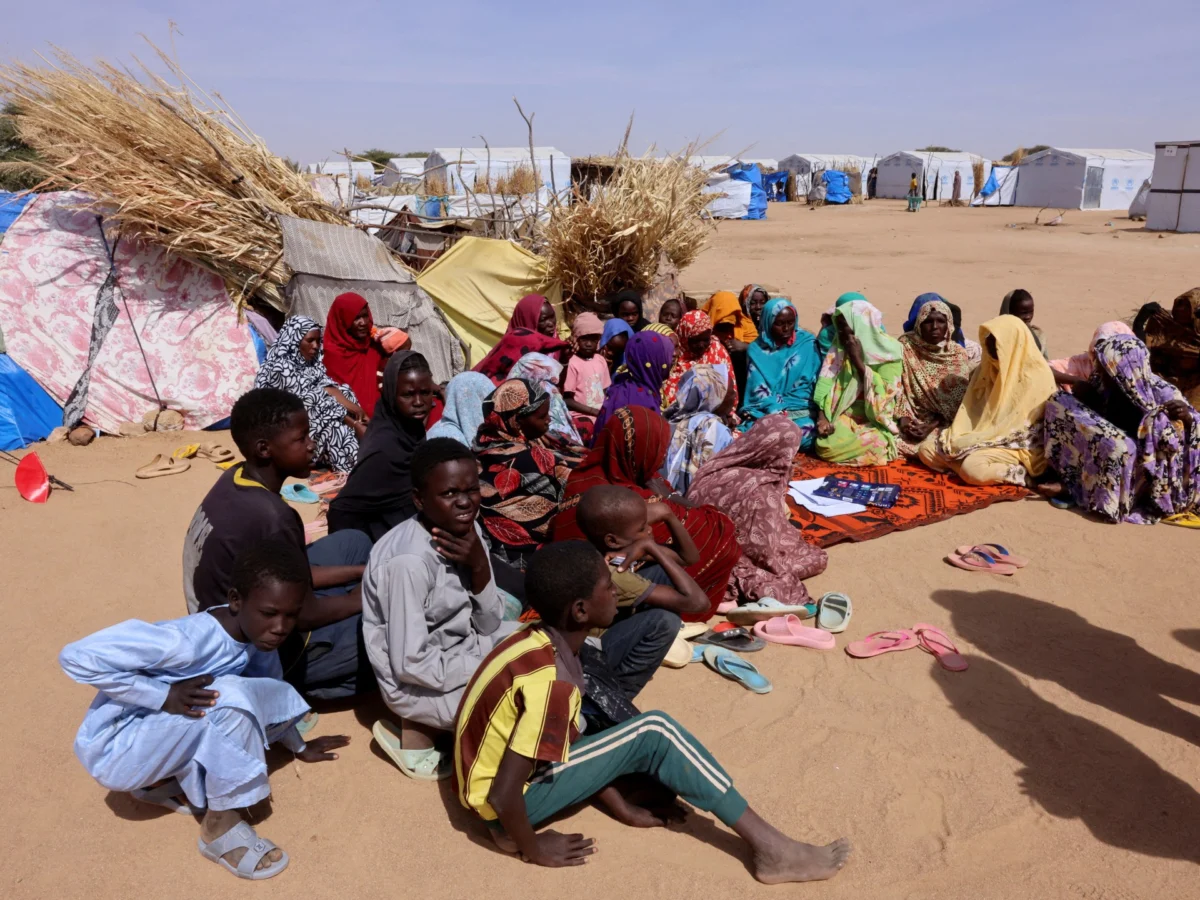
The conflict has already displaced millions internally and forced hundreds of thousands to flee into neighbouring countries such as Chad, South Sudan, and Egypt.
Human rights organizations have increasingly called for accountability mechanisms, including potential referrals to the International Criminal Court (ICC), especially if evidence mounts linking top-tier leaders to crimes against civilians.
Britain’s move could encourage other nations to follow suit, potentially forming a coordinated stance among Western allies pushing for cessation of atrocities committed by all sides involved in the fighting.
WHAT WE KNOW — AND WHAT WE DON’T:
Verified by the source:
* Britain has imposed sanctions on commanders from the RSF and SAF.
* Measures include travel bans and asset freezes.
* The sanctions relate to allegations of weaponised rape.
Still unconfirmed:
* Identity of the specific commanders targeted.
* Whether further rounds of sanctions will be announced.
* Responses from either the RSF or SAF regarding the allegations.
* Specific dates or locations connected to the reported incidents.
* Official justifications issued by the UK government explaining its legal basis for these actions.
WHY IT MATTERS
Sudan remains one of the world’s most neglected crises despite being home to Africa’s third-largest country pre-conflict. International actors face mounting pressure to hold violators accountable while supporting humanitarian efforts amidst collapsing infrastructure and famine risks.
Targeted sanctions serve both punitive and deterrent functions, aiming to limit operational capacity of those credibly suspected of war crimes through freezing assets abroad and restricting their ability to travel internationally.
Meta description: UK sanctions Sudanese RSF and SAF commanders over weaponised rape allegations involving travel bans and asset freezes.
WHAT TO WATCH
Diplomatic reactions from regional powers like Egypt and Ethiopia, along with any subsequent ICC inquiries into the allegations, may shape future developments in addressing impunity for wartime sexual violence in Sudan.