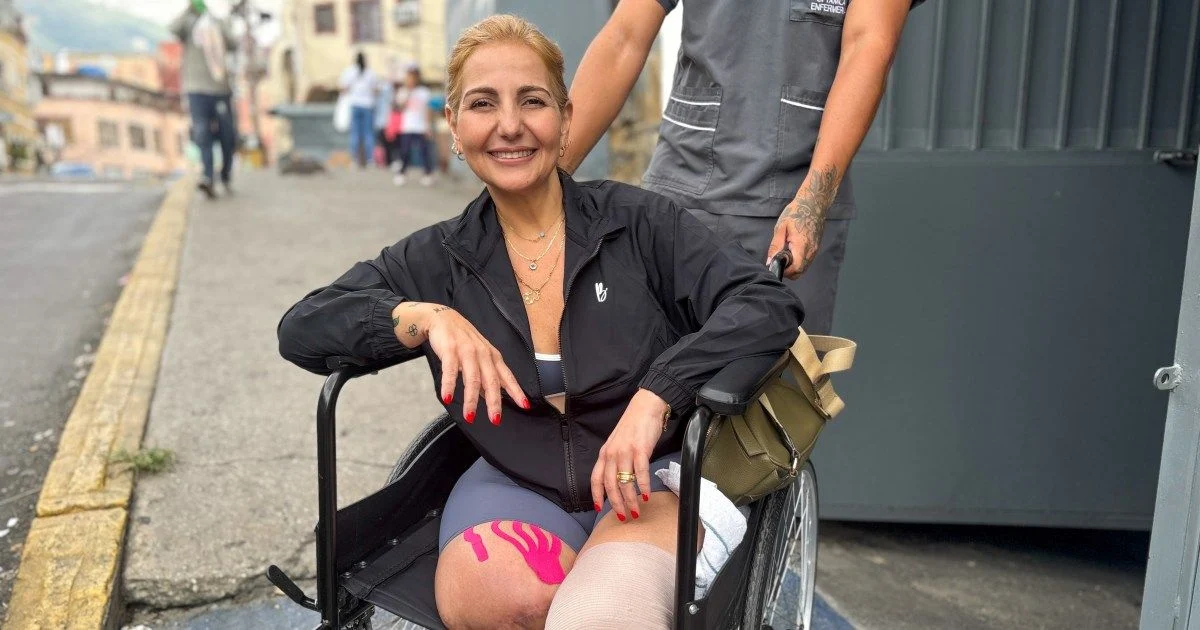
Venezuela earthquake amputees are adapting to life without limbs after losing body parts in a recent seismic event, with experts warning that recovery will likely be a lifelong endeavor. The physical and mental toll on survivors is profound, requiring sustained support and access to rehabilitation resources. Many earthquake amputees face ongoing challenges in regaining mobility, managing pain, and adjusting to daily life in the absence of one or more limbs.
Experts emphasize that the emotional and psychological impact on earthquake amputees cannot be understated. Beyond surgical recovery and prosthetic fitting, survivors must rebuild their sense of identity and purpose. For many earthquake amputees, the journey involves not only learning to navigate physical limitations but also overcoming trauma and grief associated with sudden disability.
Key Facts
- Earthquake amputees in Venezuela are adapting to life without limbs following a recent seismic event.
- Experts say recovery for earthquake amputees will likely be a lifelong endeavor.
- The physical and mental toll on earthquake amputees is significant and long-lasting.
- Earthquake amputees require sustained support, including prosthetics and psychological care.
- Rehabilitation for earthquake amputees involves both physical therapy and emotional healing.
The Story
What happens next for earthquake amputees?
Earthquake amputees in Venezuela face an uncertain future as they transition from acute medical care to long-term rehabilitation. The immediate aftermath of the earthquake focused on saving lives and treating injuries, but the chronic needs of earthquake amputees demand ongoing attention. Many earthquake amputees struggle to access basic medical supplies, let alone specialized prosthetic devices or physical therapy services.
International aid organizations and local healthcare providers are working to support earthquake amputees, but resources remain scarce. The mental health of earthquake amputees is often overlooked, despite the high prevalence of depression and post-traumatic stress among survivors. Without adequate support, many earthquake amputees risk being marginalized within their communities, unable to participate fully in economic or social activities.
Who is affected by the aftermath?
Earthquake amputees represent one of the most vulnerable groups affected by the disaster. These individuals often include working-age adults who previously supported families, now facing unemployment and economic hardship. Children who are earthquake amputees may miss educational opportunities due to mobility barriers or the need to care for injured family members.
The families of earthquake amputees also bear emotional and financial burdens. Caregivers may sacrifice income to provide daily assistance, exacerbating poverty within households. Elderly relatives of earthquake amputees may also struggle to offer physical support, increasing stress across multiple generations.
How did we get here?
The earthquake that led to numerous amputations occurred in a region already strained by economic instability and limited healthcare infrastructure. Hospitals were quickly overwhelmed, forcing medical teams to make difficult decisions about resource allocation. In the chaos following the quake, some earthquake amputees underwent emergency amputations without access to follow-up care plans.
Poor road conditions and damaged communication networks further complicated efforts to transport earthquake amputees to specialized facilities. Even now, many earthquake amputees live in remote areas where accessing rehabilitation services remains difficult. The lack of coordinated support systems means that earthquake amputees often fall through the cracks of national recovery programs.
What We Know — and What We Don’t
Verified by the source:
- Earthquake amputees in Venezuela are adapting to life without limbs.
- Experts say recovery for earthquake amputees will likely be lifelong.
- The physical and mental toll on earthquake amputees is substantial.
- Survivors among earthquake amputees require ongoing medical and emotional support.
Still unconfirmed:
- The exact number of earthquake amputees has not been disclosed.
- No specific timeline for full recovery or prosthetic availability has been provided.
- The names and personal stories of individual earthquake amputees have not been shared.
- Details about government or NGO funding for earthquake amputee rehabilitation remain unknown.
- No official response from Venezuelan authorities regarding support for earthquake amputees has been reported.
Why It Matters
The plight of earthquake amputees reflects broader systemic challenges in providing long-term disability care during and after disasters. Around the world, survivors of natural disasters who lose limbs face heightened risks of poverty and social exclusion. Supporting earthquake amputees with comprehensive care is essential not only for individual well-being but also for sustainable community recovery. Neglecting their needs can deepen inequality and slow national reconstruction efforts.
What To Watch
Future reporting may clarify whether international aid will expand to include prosthetic programs for earthquake amputees. Monitoring developments in healthcare policy and community integration initiatives will be key to understanding how earthquake amputees regain stability over time.
Earthquake amputees in Venezuela continue adapting to life without limbs as experts warn of lifelong recovery ahead.