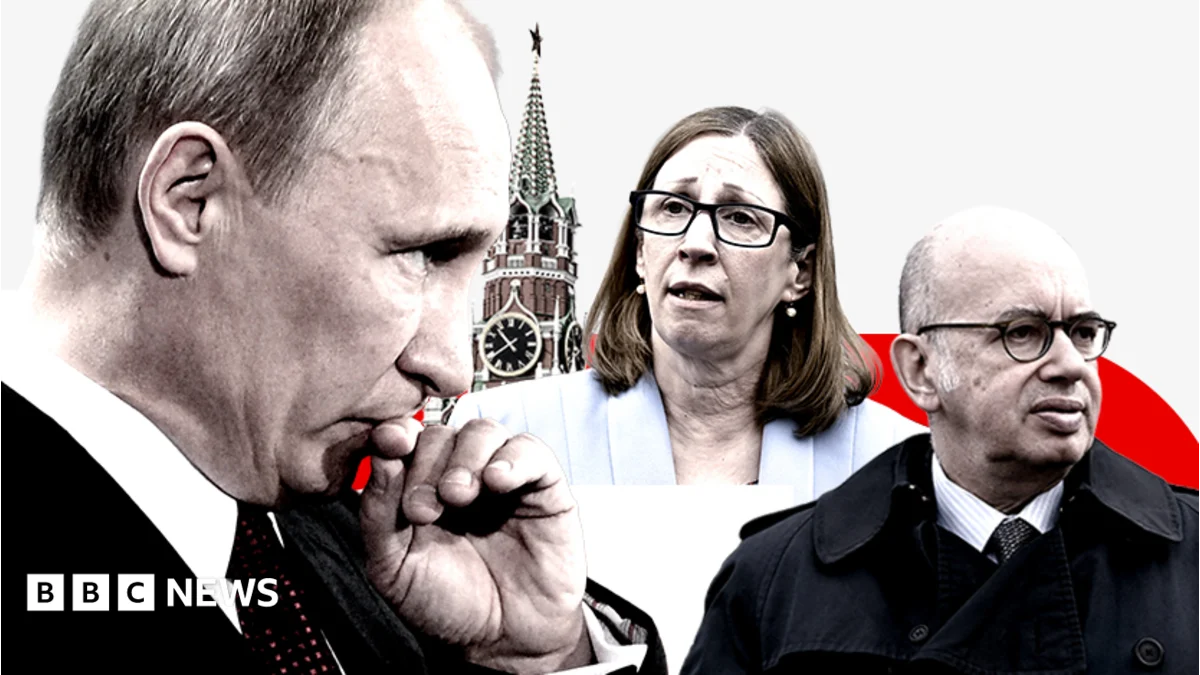
In wartime Moscow, Western diplomats are navigating a landscape marked by intense surveillance and what they describe as constant paranoia, reminiscent of Cold War-era conditions. Since Russia’s full-scale invasion of Ukraine, diplomatic life in the capital has grown increasingly isolated and monitored.
The shift in atmosphere has reshaped how foreign officials operate, with routines altered and interactions closely watched. Many diplomats report feeling as though they are under persistent observation, a sentiment that echoes the tensions of past decades.
KEY FACTS
- Western diplomats describe life in wartime Moscow as marked by surveillance and paranoia.
- Officials say working conditions in Russia resemble the Cold War era.
- The comparison emerged after Russia’s full-scale invasion of Ukraine.
- Diplomats feel constantly monitored in their daily routines.
The Return of Cold War Realities
The experience of Western diplomats in wartime Moscow has taken on familiar traits for those who studied or lived through the Cold War. Surveillance systems, both technological and human, are reportedly pervasive, creating an environment where private conversations and movements are suspected of being tracked.
This atmosphere affects not only security protocols but also morale and communication strategies. Diplomats must now weigh every interaction carefully, aware that even routine exchanges could attract unwanted attention from local authorities or intelligence services.
For younger staff members who did not experience the Cold War firsthand, these developments represent a steep learning curve. Meanwhile, veteran observers note striking parallels to previous eras of geopolitical tension, suggesting that history may be repeating itself in subtle yet significant ways.
What Has Changed in Daily Diplomatic Operations?
Since the escalation triggered by Russia’s actions in Ukraine, standard operating procedures among Western missions have shifted dramatically. Meetings are held with greater caution, often moved to secure locations or conducted virtually to reduce exposure risks.
Additionally, coordination with local partners and civil society contacts has become more cautious due to fears of infiltration or unintended consequences. These adjustments reflect a broader trend toward minimizing visibility while maintaining essential functions within an increasingly restrictive political climate.
Despite efforts to adapt, uncertainty remains high regarding future developments. Diplomatic circles continue monitoring evolving regulations affecting their presence and engagement levels inside the country.
WHAT WE KNOW — AND WHAT WE DON’T
Verified by the source:
- Western diplomats report increased surveillance in wartime Moscow.
- Working conditions are likened to the Cold War era.
- Russia’s invasion of Ukraine preceded these changes.
Still unconfirmed:
- No specific incidents or individual testimonies were named.
- Exact nature and extent of surveillance methods remain unspecified.
- Details about particular diplomatic missions or personnel responses were not provided.
WHY IT MATTERS
The situation in wartime Moscow highlights how modern conflicts extend beyond battlefields into everyday diplomatic practice. As international relations evolve amid rising tensions, understanding the personal and professional challenges faced by envoys becomes critical for assessing global stability and communication channels moving forward.
WHAT TO WATCH
Observers will watch for further adjustments in diplomatic policies or statements from involved governments addressing these reported conditions in wartime Moscow.