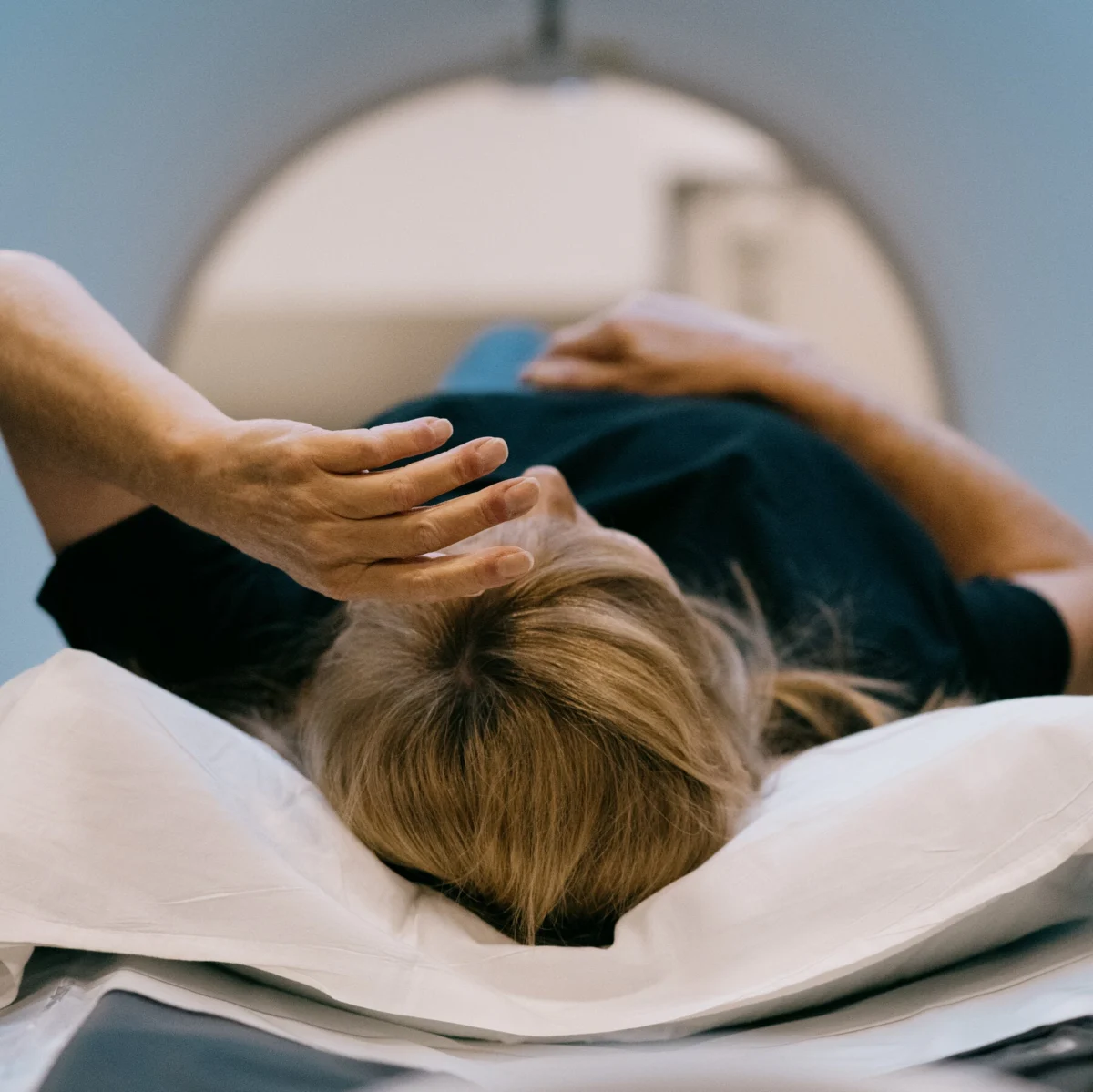
Death rates from cancer have declined sharply in recent decades thanks to early detection through screening and advances in cancer treatments, according to a report published by NYT > World News. The combination of prevention efforts and breakthrough therapies has transformed outcomes for millions of patients worldwide. This shift marks one of the most significant developments in modern medicine, though progress remains uneven across regions and cancer types.
The report highlights how routine screening programs have enabled doctors to catch malignancies earlier, when they are more treatable. Simultaneously, new cancer treatments such as targeted therapies and immunotherapies have improved survival rates even for advanced cases.
Key Facts
- Screening and new cancer treatments have reduced death rates.
- The decline reflects broader changes in medical practice and public health policy.
- Improvements in cancer care are part of a global trend toward better outcomes.
- Regional disparities in access to screening and treatments remain.
- Experts say continued investment is needed to sustain progress.
How Did We Get Here?
For decades, cancer was considered a largely fatal diagnosis once it reached advanced stages. However, widespread adoption of screening tools like mammography, colonoscopy, and low-dose CT scans has shifted diagnoses to earlier phases where intervention is more effective. In parallel, research breakthroughs led to the development of cancer treatments tailored to genetic mutations, allowing physicians to target tumors with greater precision. These innovations, combined with improved supportive care and lifestyle interventions, have contributed to a steady drop in mortality.
Hospitals and clinics around the world have integrated these methods into standard protocols. Public health campaigns promoting awareness and prevention have also played a supporting role in extending lives.
Who Is Affected?
Patients diagnosed with certain cancers—especially breast, colorectal, and lung—have seen the greatest gains from early detection and improved treatments. Populations in high-income countries generally benefit most from these advances due to greater access to modern screening and care. Still, individuals in lower-resource settings often lack access to the same technologies and medications, creating a gap in global health equity. Cancer treatments continue to evolve rapidly, offering hope for further reductions in death rates.
Researchers are studying ways to expand access to both screening and cutting-edge therapies. Broader implementation could accelerate the global decline in cancer deaths.
What What We Know — and What We Don’t
Verified by the source:
- Screening and cancer treatments have reduced death rates globally.
- Early detection improves treatment success.
- New cancer treatments like targeted therapy show promise.
- Public health initiatives support these medical advances.
Still unconfirmed:
- Exact percentage reduction in cancer deaths.
- Timeline for future breakthroughs or deployments.
- Data on regional differences in access or outcomes.
- Long-term effectiveness of newer cancer treatments.
Why It Matters
A sustained fall in cancer death rates signals a turning point in one of humanity’s most persistent health challenges. Even incremental improvements in cancer treatments can save thousands of lives annually and reduce the economic burden on families and healthcare systems. Understanding how these changes occur helps inform decisions about funding, policy, and personal health choices.
What To Watch
Experts expect ongoing refinements in screening guidelines and continued expansion of access to cancer treatments, though global inequities remain a concern.
New screening technologies and personalized cancer treatments may soon reshape how doctors detect and manage malignancies, potentially saving millions more lives.