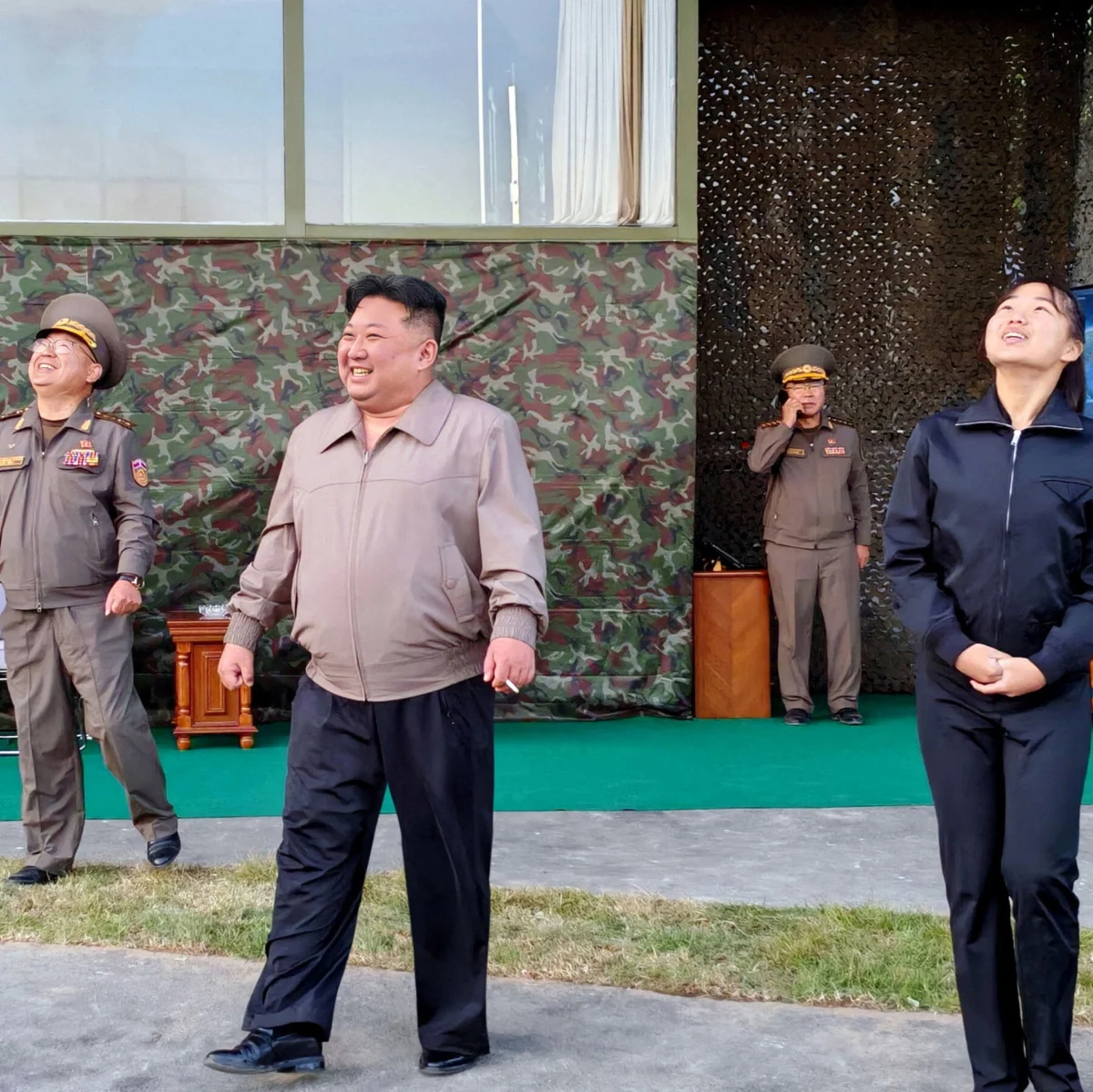
North Korea’s military posture has sharpened in recent weeks, with both sides of the Korean Peninsula engaging in a visible escalation of weapons and aerial patrols near the world’s most heavily fortified border. Analysts say the intensifying Korea arms race reflects a broader geopolitical shift, as North Korea deepens its strategic alignment with Russia, emboldening its defense posture.
The latest exchange underscores how regional powers are responding to evolving alliances and security threats. What was once a stable but tense status quo is giving way to a new era of military readiness on both sides.
Key Facts
- A rare escalation this month exposed the increasingly lethal arsenals the two Koreas are building up across the world’s most heavily fortified border.
- The intensifying Korea arms race is linked to North Korea’s deepening alliance with Russia.
- The two Koreas are expanding their military capabilities along a heavily fortified border.
The Story
How did we get here?
The Korean Peninsula has long been a flashpoint, but recent developments suggest a marked increase in operational activity. According to NYT > World News, a rare escalation this month highlighted the advanced weaponry now deployed by both nations.
Missile tests, drone flights, and border incursions have become more frequent. These actions are not isolated incidents but part of a coordinated buildup that signals rising hostilities. The involvement of external actors, particularly Russia, adds another layer of complexity to the regional security equation.
Observers note that the alliance between North Korea and Russia may be driving tactical enhancements in military strategy. This partnership appears to be reshaping the balance of power in East Asia.
What happens next?
The trajectory of the Korea arms race depends heavily on diplomatic engagement and international response. As both Koreas continue to modernize their arsenals, the risk of miscalculation grows. Monitoring agencies are tracking movements along the Demilitarized Zone (DMZ) and surrounding waters with heightened vigilance.
Regional stakeholders, including South Korea, the United States, and China, are reassessing their defense postures. Future escalations could prompt emergency consultations among allied nations. For now, the situation remains volatile but contained within known patterns of saber-rattling.
Experts caution against underestimating the potential for rapid deterioration. The next phase of this confrontation may hinge on whether either side initiates a large-scale demonstration of force.
What We Know — and What We Don’t
Verified by the source:
- North and South Korea are actively building up lethal military arsenals.
- The border region is among the most heavily fortified in the world.
- Russia’s alliance with North Korea is emboldening Pyongyang’s stance.
Still unconfirmed:
- Specific weapon systems involved in the recent escalation.
- Exact timing or coordinates of military exercises.
- Names of officials or commanders overseeing operations.
- Whether further retaliation is imminent from Seoul or Washington.
Why It Matters
The resurgence of the Korea arms race has far-reaching implications for global stability. As tensions rise, so does the urgency for diplomatic intervention. Countries across war-geopolitics are watching closely, knowing that any misstep could trigger wider conflict. The international community must weigh deterrence against de-escalation, all while managing shifting loyalties in economy-markets influenced by military spending sprees.
Investors in defense sectors are already adjusting portfolios. Meanwhile, humanitarian corridors remain under strain. The Korea arms race is no longer just a regional concern—it’s a test of global resolve.
What To Watch
Future missile launches or joint military drills will signal whether the current momentum continues. Diplomatic statements from key capitals may offer clues about upcoming negotiations or sanctions.