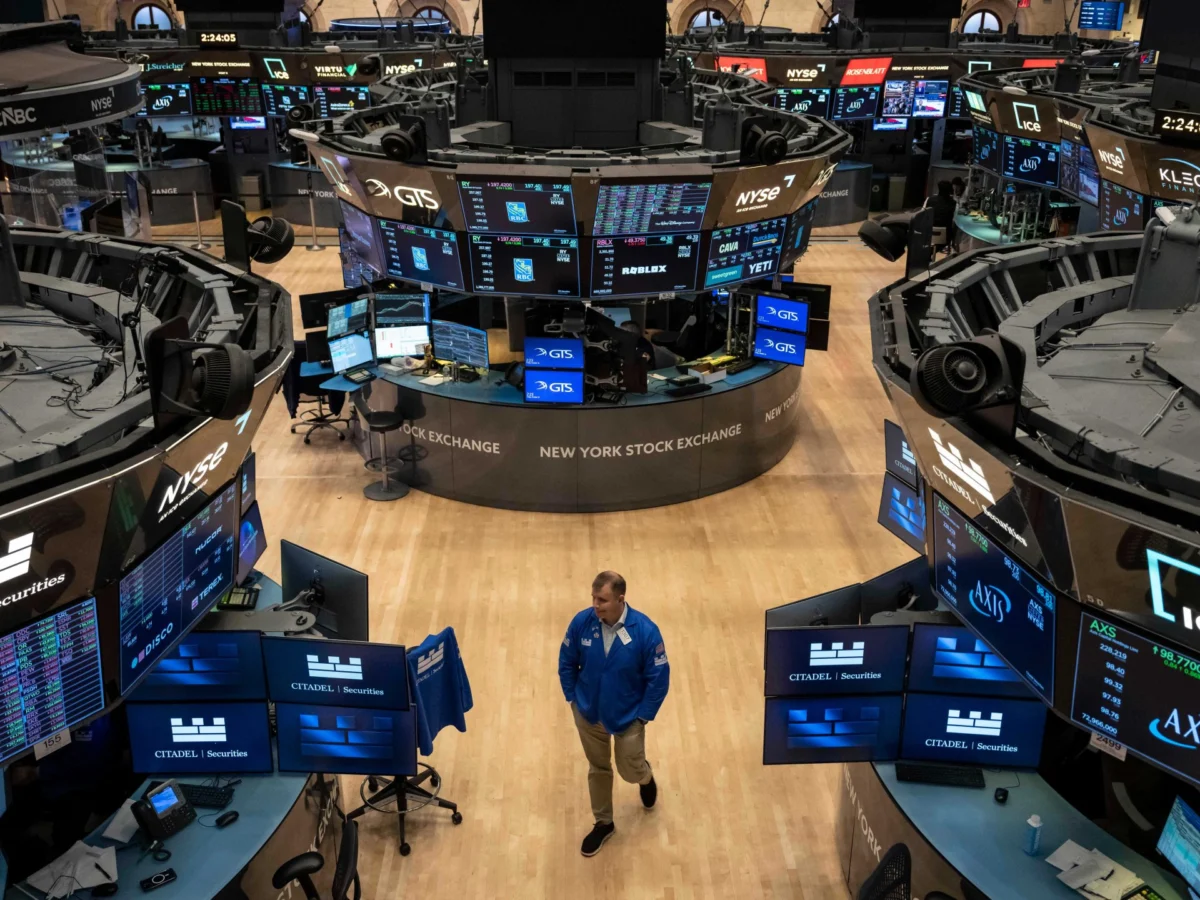
US tech stocks tumbled as investors fretted over AI spending concerns, sending the tech-heavy Nasdaq down 2.6 percent. The drop reflects mounting uncertainty over whether current artificial intelligence investments will deliver sustainable returns, as analysts debate whether the AI boom resembles a speculative bubble. A key worry centers on the pace and scale of corporate spending on AI infrastructure, data centers, and model development, all of which require substantial upfront capital with delayed payoffs.
The Nasdaq Composite, which is home to many major AI and tech names, bore the brunt of the sell-off. While AI has driven significant market gains in recent years—fueled by breakthroughs in generative AI and massive enterprise adoption—investor sentiment has cooled amid signs of valuation stress and uneven earnings growth among leading firms. Markets remain sensitive to any signals suggesting that AI-driven revenue may not keep pace with the massive investments being made across Wall Street and Silicon Valley.
Key Facts
- The Nasdaq fell 2.6 percent.
- The drop came as investors frets over AI spending.
- Tech stocks tumbled.
- A debate is ongoing over whether AI is a bubble.
What happened next?
Market observers say the pullback highlights growing investor caution around AI-related valuations. While enthusiasm for AI applications remains strong, some analysts warn that expectations may have outpaced near-term profitability. This tension could keep markets volatile until clearer earnings trends emerge.
Tech companies have poured billions into building out AI capabilities, including data centers and research teams. However, translating these investments into consistent profits has proven challenging, especially for firms that have not yet found wide-scale commercial use cases for their models.
Who is affected?
Both retail and institutional investors holding tech stocks were impacted by the sell-off, although long-term holders may see fluctuations as normal for high-growth sectors. Mutual funds and ETFs focused on AI or tech sectors likely experienced losses proportional to their exposure.
Pension funds, university endowments, and other large institutional investors often carry significant positions in tech indices. A broader or prolonged downturn in tech shares could affect portfolio performance across these entities.
How did we get here?
Over the past few years, AI enthusiasm fueled an unprecedented rally in tech equities, pushing valuation multiples to levels unseen since the dot-com era. Investors piled into companies perceived as AI leaders, driving share prices higher regardless of current profit levels.
However, as central banks maintained higher interest rates to combat inflation, growth stocks became less attractive compared to fixed-income assets. Combined with concerns about AI spending returns, this helped cool market appetite for speculative tech investments.
What We Know — and What We Don’t
Verified by the source:
- The Nasdaq fell 2.6 percent.
- US tech stocks tumbled.
- Investors are fretting over AI spending.
- A debate is ongoing about whether AI is a bubble.
Still unconfirmed:
- The specific date or time of the market movement.
- Which companies or sectors led the decline.
- Earnings figures or forecasts cited by analysts.
This downturn underscores how quickly investor mood can shift when faced with questions about return on investment in emerging technologies. Even transformative innovations like AI must contend with traditional market forces—chief among them being risk appetite and monetary policy. For ordinary investors, the episode serves as a reminder that lofty expectations don’t always align with short-term outcomes.
Why It Matters
AI spending concerns influence everything from personal retirement savings to global finance. Tech sector movements affect employment, innovation cycles, and consumer products. When investors pull back, funding slows—potentially impacting product launches and hiring in one of the world’s most dynamic industries.
What To Watch
Future earnings reports from major tech firms will provide clues about whether AI spending translates into measurable returns. Watch for shifts in Federal Reserve policy that might further impact growth stock valuations.