Lede
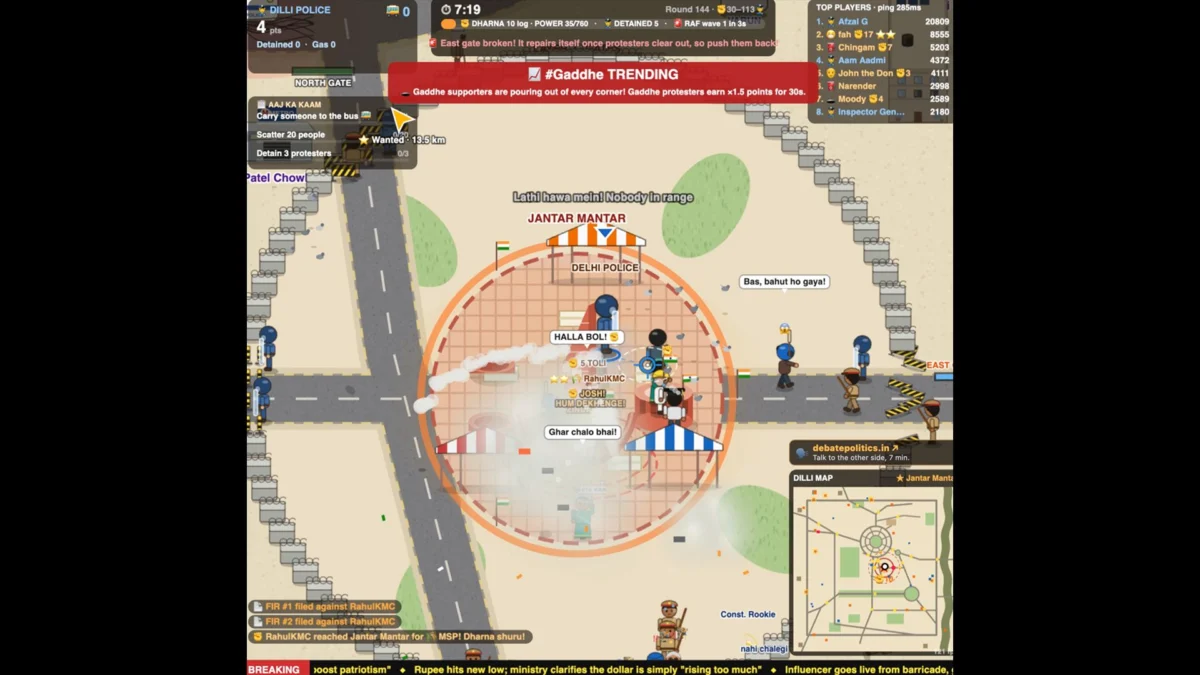
A 27-year-old Indian developer has turned the Cockroach Party-led protests into a satirical video game. The game draws inspiration from the unconventional protest movement known as the Cockroach Party, using humor and gameplay to reflect the socio-political tensions surrounding the demonstrations.
By transforming real-world civil unrest into a digital experience, the developer aims to engage younger audiences and critique the chaotic nature of the protests through satire. This intersection of tech creativity and political commentary represents a growing trend of using games as a medium for social expression in India and beyond.
KEY FACTS
- A 27-year-old Indian developer created a satirical video game.
- The game was inspired by Cockroach Party-led protests.
- The Cockroach Party is a political movement involved in ongoing protests.
- The game uses satire to address real-world events.
- The project highlights the role of indie developers in political commentary.
THE STORY
What inspired the cockroach protest game?
The cockroach protest game emerged from the unique political landscape shaped by the Cockroach Party-led protests. These protests, marked by unusual symbolism and grassroots organizing, captured public attention and sparked widespread discussion across India. The developer chose to interpret these events through satire, transforming the chaos and complexity of street demonstrations into an interactive digital format.
By grounding the game in real-world events, the developer sought not only to entertain but also to offer a lens through which players could reflect on civic engagement and political activism. The use of satire allows for critique without overt confrontation, making the message accessible to a broader audience.
Who is affected by the cockroach protest game?
The game primarily targets gamers and politically conscious individuals interested in social commentary. As an indie creation, it speaks to those who seek alternative forms of media consumption that challenge traditional narratives. In a country where gaming culture is rapidly expanding, especially among youth, the game taps into a growing demographic eager for meaningful content.
Beyond players, the game also resonates with fellow creators and commentators exploring how digital platforms can amplify marginalized voices. It underscores the power of independent developers to shape discourse beyond mainstream channels.
How did the cockroach protest game come to be?
The development process likely involved rapid prototyping and iterative design, common practices among indie developers responding to current events. Working solo or in small teams enables quick turnaround times, allowing creators to capture the immediacy of unfolding situations like the Cockroach Party protests.
While specific technical details remain unreported, such projects often rely on open-source tools and community feedback loops. The final product reflects both personal perspective and collective sentiment, bridging individual creativity with shared experience.
What We Know & What We Don’t
Verified by the source:
- The creator is a 27-year-old Indian developer.
- The game is described as satirical in nature.
- The concept was inspired by the Cockroach Party-led protests.
Still unconfirmed:
- The actual release date or platform availability of the game.
- The name of the developer or studio behind the project.
- The gameplay mechanics or visual style of the game.
- The broader impact or reception of the game so far.
Why It Matters
This story illustrates how technology and creative expression intersect with politics, particularly in societies experiencing significant social change. Independent games serve as a conduit for dissent and dialogue, offering new ways for citizens to process and respond to civic tensions without relying on traditional media gatekeepers. As more creators experiment with form and content, their work contributes to a richer, more diverse conversation about democracy, protest, and public participation.
What To Watch
Updates may emerge regarding the game’s official launch, critical response, or further coverage from independent tech blogs. Until then, the project remains a compelling example of digital activism rooted in personal storytelling and cultural observation.