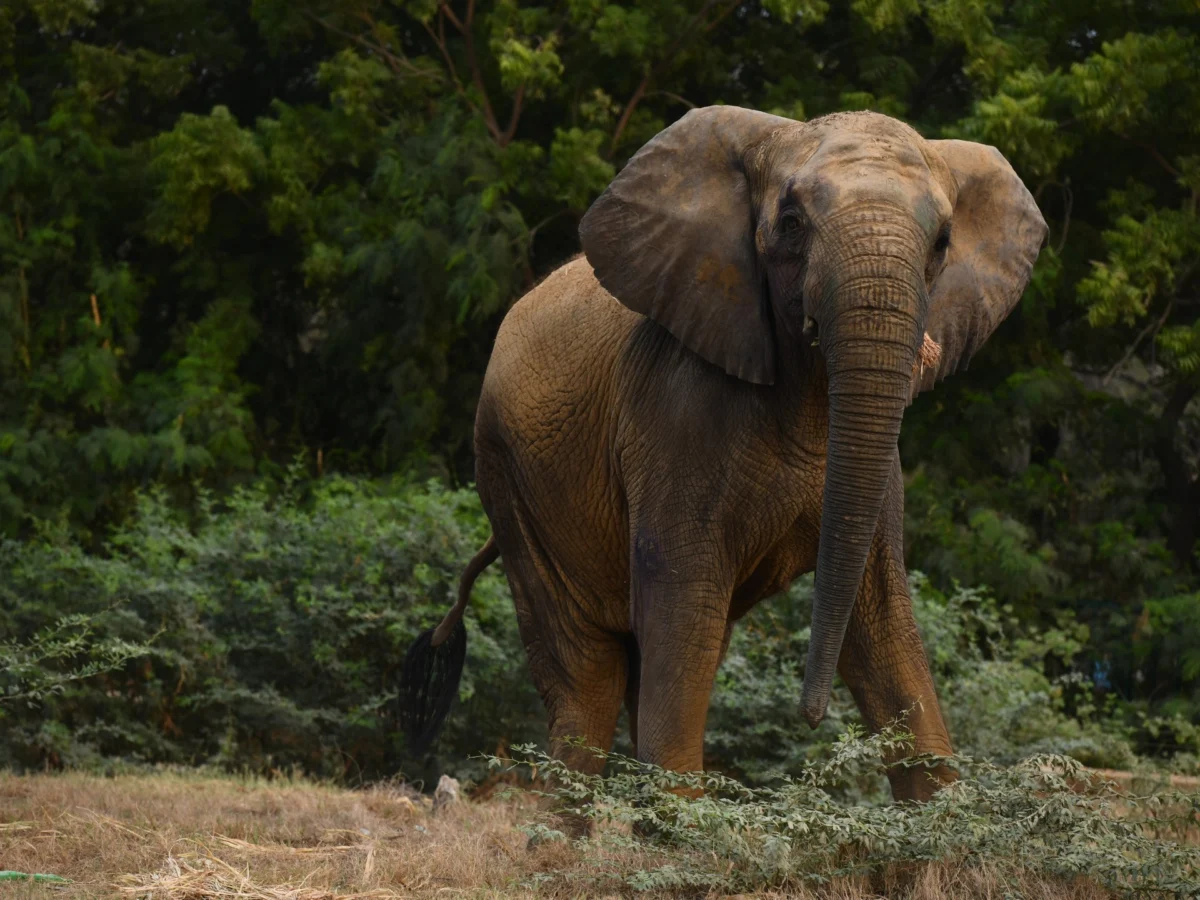
Karachi’s last two African elephants remain in captivity, while their sisters have already died, leaving uncertainty over whether the surviving animals will survive.
The elephants are the sole remaining members of their group in Karachi, following the deaths of their siblings. Their continued confinement has drawn attention from animal welfare advocates and concerned observers, though specific details about their condition or location remain unconfirmed in available reporting.
KEY FACTS
- Karachi‘s last two African elephants remain in captivity.
- The elephants’ sisters are already dead.
- There is uncertainty over whether the remaining elephants will survive.
The Current Situation
The two African elephants are the last of their kind remaining in captivity in Karachi. Their sisters have died, leaving only these two elephants in confinement. The circumstances surrounding the deaths of the other elephants and the current health of the surviving pair have not been detailed in public reporting.
African elephants in captivity often face challenges related to space, social structure, and veterinary care. These animals typically require extensive territory, complex social interactions, and specialized diets. The survival of the remaining elephants depends on factors including their physical condition, access to care, and the environment in which they are held.
<n
What Happens Next?
The future of the two remaining elephants is unclear. No official statements or timelines regarding their release, relocation, or ongoing care have been confirmed in public reporting. Animal welfare organizations have previously raised concerns about the treatment of captive elephants in various settings, though specific interventions in this case have not been verified.
Elephants are highly social animals that rely on herd structures for psychological and physical well-being. The loss of their sisters may have significant impacts on the mental health and behavior of the surviving elephants. Without further information from authorities or on-site observers, the next steps for these animals remain unknown.
Public and Advocacy Interest
The situation has drawn attention from animal rights advocates who argue that captive elephants require environments that meet their physical and social needs. Previous campaigns in similar cases have called for the transfer of elephants to sanctuaries or natural reserves. However, no such efforts have been confirmed for the elephants in Karachi.
Elephants have been used in various capacities in urban and cultural settings, but growing awareness of their needs has led to calls for stricter regulations on captivity. The outcome for the surviving elephants may depend on public pressure, legal frameworks, and decisions by those responsible for their care.
WHAT WE KNOW — AND WHAT WE DON’T
Verified by the source:
- Karachi has two African elephants remaining in captivity.
- The sisters of these elephants have died.
- It is uncertain whether the remaining elephants will survive.
Still unconfirmed:
- The exact location or facility holding the elephants.
- The cause of death of the other elephants.
- The current health status of the surviving elephants.
- Any plans for relocation or intervention.
WHY IT MATTERS
The fate of captive elephants reflects broader tensions between animal welfare, cultural practices, and urban development. As public awareness grows about the needs of wild animals in captivity, cases like this highlight the importance of transparency and accountability in how animals are cared for.
WHAT TO WATCH
Further reporting or official statements may clarify the condition of the elephants and any planned interventions. Updates from animal welfare organizations or government bodies could provide more information on their future.