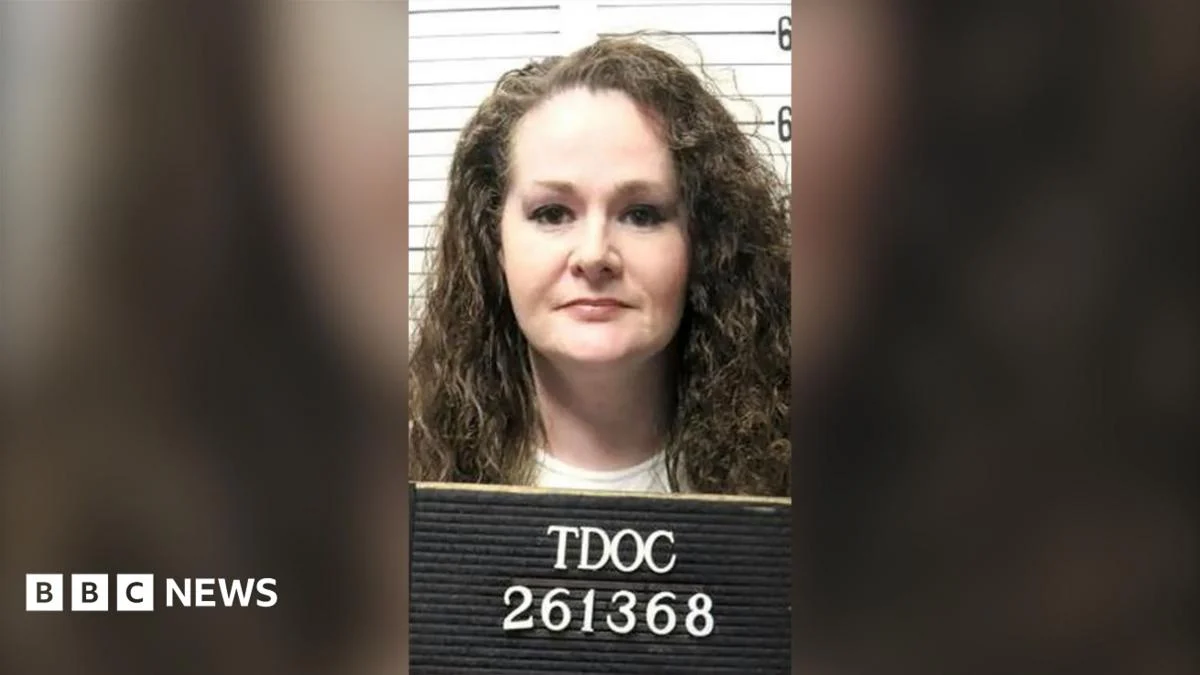
The US Supreme Court has cleared the path for the execution of Christa Pike, lifting a temporary halt that had been granted by a lower court earlier on Wednesday. The death sentence, set to be carried out by lethal injection, was initially delayed before the nation’s highest court intervened, allowing authorities to move forward with the planned procedure.
This latest development follows a series of legal maneuvers in the case, reflecting the complex interplay between federal and lower court decisions in capital punishment matters. The situation underscores how judicial rulings at multiple levels can influence whether an execution proceeds or is paused.
Key Facts
- The US Supreme Court allowed the execution of Christa Pike to go ahead.
- The death sentence involves lethal injection as the method.
- A lower court had paused the execution earlier on Wednesday.
- The Supreme Court decision removes the temporary halt.
- The case highlights ongoing legal debates around capital punishment.
What Happens Next?
Following the Supreme Court’s decision, the timeline for the execution of Christa Pike will depend on administrative and logistical preparations by the relevant state authorities. Legal experts note that further appeals are still possible, though the current ruling permits the process to resume. The specific sequence of next steps typically includes setting a final execution date, coordinating with correctional officials, and confirming that all procedural requirements under federal and state law have been met. While the Supreme Court has removed the immediate obstacle, any additional filings or motions could potentially delay the outcome again. For now, the decision signals a green light for the machinery of capital punishment to move forward in this case.
Who Is Affected?
The affected parties in this case include the individual scheduled for execution, their legal representation, prosecutors, and correctional officials responsible for carrying out the sentence. Beyond the immediate participants, the decision has broader implications for families of victims, advocacy groups on both sides of the death penalty debate, and state governments that must implement court orders. The ruling may also influence ongoing discussions in Congress and state legislatures, where lawmakers continue to weigh the legality and morality of capital punishment. Additionally, civil rights organizations and legal scholars are likely monitoring how this case fits into patterns of judicial review and clemency requests. The ripple effects extend to the general public, particularly in states with active capital punishment statutes.
How Did We Get Here?
The road to this point began when a lower court issued a last-minute pause on Wednesday, temporarily halting the planned execution of Christa Pike. Such emergency pauses are common in death penalty cases as defense attorneys seek additional time to file appeals or raise constitutional concerns. The lower court’s intervention prompted an expedited appeal to the Supreme Court, which ultimately ruled to lift the stay. These types of legal back-and-forth illustrate the multi-tiered nature of the US judicial system, where decisions can shift rapidly based on court rulings. Each level offers different opportunities for review, creating a complex procedural landscape that often delays finality in capital cases.
What We Know — and What We Don’t
Verified by the source:
- The US Supreme Court allowed the execution of Christa Pike to proceed.
- The scheduled method of execution is lethal injection.
- A lower court had paused the execution earlier on Wednesday.
Still unconfirmed:
- The exact time or date the execution will be carried out.
- Details about the charges or background of the individual involved.
- Whether additional appeals or motions are pending.
- Official statements from government or court officials.
Why It Matters
This case is part of a long-running national conversation about the use of the death penalty in the United States. With courts frequently issuing and lifting stays in capital cases, the balance between justice, due process, and public safety remains contested. Decisions like this one shape how legal precedents evolve and influence policy debates across states. The public’s trust in judicial consistency is also at stake when high-profile cases shift direction so abruptly. Ultimately, these moments reflect deeper questions about the fairness and transparency of the criminal justice system.
What To Watch
Authorities have yet to announce a new execution date, and legal teams may continue pursuing further appeals. Observers will be watching closely for any additional court activity or official statements regarding the execution of Christa Pike.