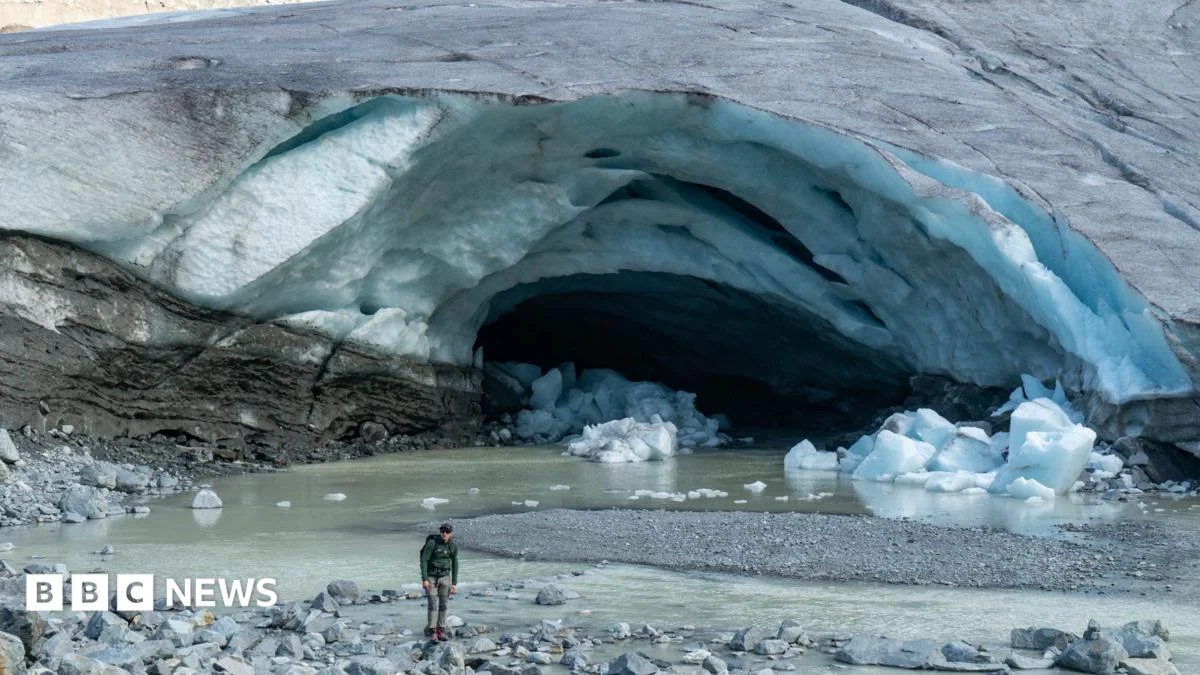
Swiss glaciers experienced a disastrous year of ice loss, threatening regional water supplies, according to BBC News. Scientists say such rapid melting is no longer surprising given the pace of climate change.
The report underscores growing concerns about Alpine water reserves that millions rely on for drinking water, agriculture, and hydropower. As Swiss glaciers retreat at accelerating rates, downstream communities face increasing uncertainty over seasonal water availability.
Key Facts
- Swiss glaciers suffered a disastrous year of ice loss, BBC News reported.
- The rapid melting is no longer surprising, scientists said, given the pace of climate change.
- The ice loss threatens water supplies reliant on glacial melt.
The Story
What happens next?
Continued warming trends suggest further glacial retreat is likely, with potential cascading effects on water-dependent sectors. Experts note that without significant emissions reductions, the pace of loss will persist.
Swiss glaciers have been monitored for decades, and the current rate exceeds historical averages. The implications extend beyond national borders, as Alpine meltwater feeds major European river systems.
Scientists emphasize that adaptation strategies are becoming critical. These may include upgraded reservoir infrastructure and revised water management policies to offset declining natural storage.
Who is affected?
Downstream populations across Europe depend on consistent glacial melt for freshwater access. Agricultural regions, urban centers, and energy producers all draw from these flows.
In Switzerland, hydropower facilities rely heavily on glacial contributions during dry seasons. Reduced melt can strain electricity generation, particularly in summer months when demand peaks.
Farming communities in valleys below the Alps also face risks. Changes in melt timing can disrupt irrigation schedules and crop yields, especially for water-intensive crops.
What We Know — and What We Don’t
Verified by the source:
- Swiss glaciers had a disastrous year of ice loss.
- Rapid melting aligns with the pace of climate change, per scientists.
- Water supplies are being threatened by the glacial retreat.
Still unconfirmed:
- Exact volume or percentage of ice lost.
- Specific rivers or regions most impacted.
- Names of scientists or research institutions involved.
- Projections or timeline for future glacial loss.
- Policy responses or adaptation measures planned by authorities.
Why It Matters
Glacial melt acts as a natural buffer for water supplies, releasing freshwater gradually during warm, dry periods. When glaciers disappear too quickly, that buffer vanishes, increasing flood risk in spring and drought risk in late summer. For Europe, the health of Swiss glaciers is not just a regional issue but a continental one.
What To Watch
Future reports from glaciologists will clarify whether this trend continues and how water management policies evolve. Scientists have yet to issue long-term projections on the timeline for further loss.