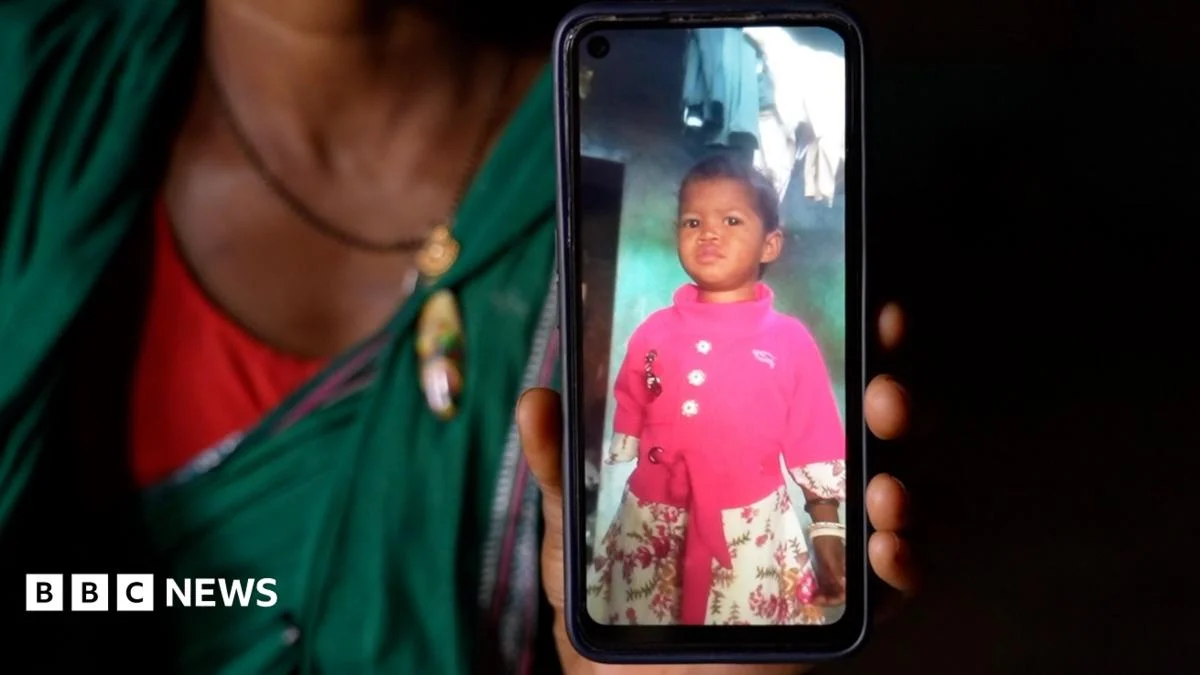
At least 32 children have died in India’s Balaghat district since May amid outbreaks of measles and malaria, according to BBC News.
The deaths underscore ongoing public health challenges in remote tribal regions where access to healthcare remains limited and disease outbreaks can spread quickly.
In many tribal heartlands, basic medical infrastructure is sparse, and seasonal factors often exacerbate the risk of infectious disease transmission among young populations.
Key Facts
- At least 32 children have died since May in India’s Balaghat district.
- Outbreaks of measles and malaria are reported in the area.
- The affected region is described as a remote tribal heartland in central India.
The Story
What health risks are driving the child deaths?
Measles is a highly contagious viral disease that particularly affects children who have not been vaccinated. Malaria, transmitted through mosquito bites, remains a significant cause of illness and death in parts of India, especially during and after the monsoon season when mosquito breeding increases.
In remote tribal areas, vaccination coverage and access to prompt diagnosis and treatment for malaria can be inconsistent, increasing vulnerability for children under five years old.
Health experts have repeatedly emphasized that improving routine immunization and early detection of malaria are key to preventing such fatalities in underserved communities.
Who is affected by the outbreaks?
The report focuses on children living in tribal communities within Balaghat district. These communities often face geographic isolation and socio-economic disadvantages that limit their access to timely healthcare services.
According to BBC News, the deaths have occurred since May, suggesting a sustained health crisis rather than a single isolated event.
While the source identifies measles and malaria as the contributing illnesses, it does not provide further demographic breakdowns of the children who have died.
How did the outbreaks develop?
The source does not detail how the disease outbreaks began or whether they were detected through routine surveillance systems. However, measles outbreaks typically occur in populations with low vaccination rates, while malaria transmission rises with increased mosquito activity.
In rural and forested tribal areas, delays in reaching health facilities can worsen outcomes, particularly when symptoms are not recognized early.
Without additional information from the source, it is not possible to confirm whether these cases were reported to national health authorities or if emergency response measures have been implemented.
What We Know — and What We Don’t
Verified by the source:
- At least 32 children have died in Balaghat district since May.
- Outbreaks of measles and malaria are occurring in the region.
- The area is characterized as a remote tribal heartland in India.
Still unconfirmed:
- The exact ages or identities of the deceased children.
- The total number of confirmed cases beyond the reported deaths.
- Whether vaccination campaigns or medical interventions have been launched.
- If any official response or statement has been issued by local or national authorities.
Why It Matters
Child deaths from preventable and treatable diseases like measles and malaria highlight persistent gaps in healthcare access for tribal and marginalized populations in India. Addressing these disparities requires sustained investment in public health infrastructure, immunization programs, and community-based care.
What To Watch
It remains unclear whether government or international health agencies will issue further updates or initiate targeted intervention programs in response to the reports.
Readers can follow developments related to public health in India through our war-geopolitics and health-science coverage.