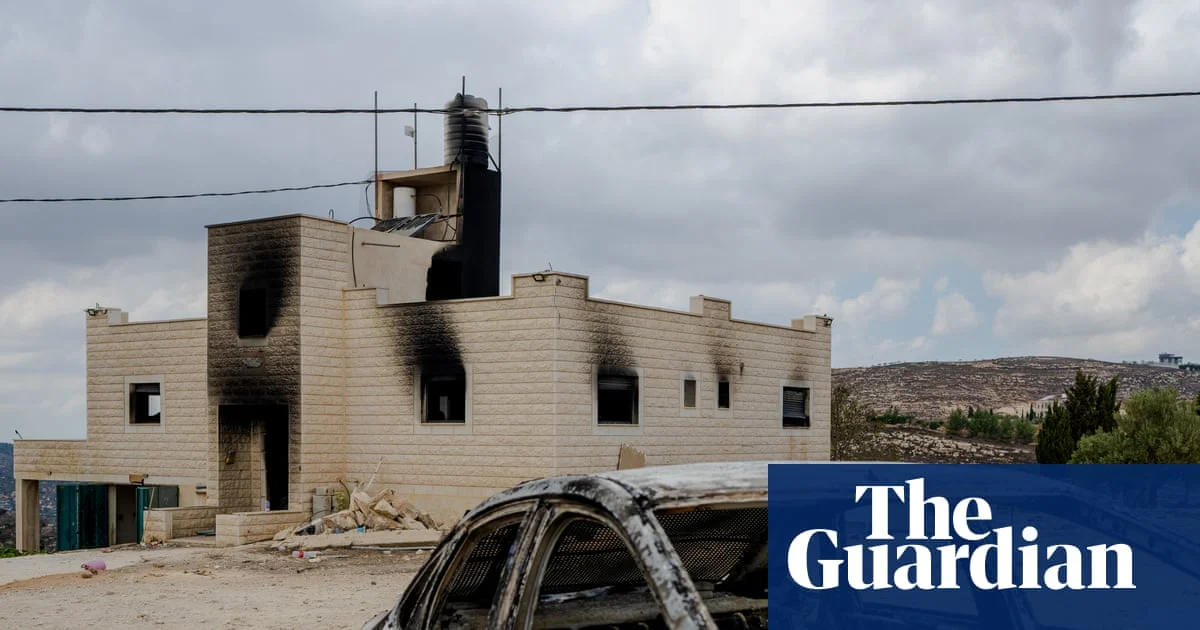
The US Senate rejected a Democratic resolution on Tuesday evening that would have required the State Department to report to Congress on West Bank violence, including the killings of American citizens by Israeli settlers or security forces.
The vote fell mostly along party lines, highlighting growing partisan divisions over how the US should address Israeli actions in the occupied West Bank. The resolution was led by Senator Chris Van Hollen, a Maryland Democrat who had pushed for greater transparency regarding incidents involving American citizens abroad.
KEY FACTS
- The US Senate blocked a resolution on West Bank violence accountability.
- Nine American citizens have been killed by Israeli settlers or security forces in the West Bank since 2022.
- The resolution would have required the State Department to report to Congress within 30 days.
- Support for the resolution was divided mostly along party lines.
- Senator Chris Van Hollen led the effort as a Maryland Democrat.
What happens next?
The resolution’s failure means no immediate requirement exists for the State Department to deliver a formal update to Congress on West Bank violence or the deaths of American citizens in the territory. Advocates for the resolution had argued that transparency was necessary to understand patterns of harm affecting US nationals abroad, particularly in the context of ongoing tensions in the occupied West Bank. With the vote concluded, those pushing for accountability may seek other legislative vehicles or rely on diplomatic channels to raise concerns directly with the State Department.
Supporters of the blocked measure have indicated they will continue pressing the issue, suggesting future efforts could emerge in similar form. Whether such proposals gain traction may depend on shifting political dynamics and international developments related to the Israeli-Palestinian conflict. For now, the absence of a mandated report leaves unanswered questions about how the US government tracks and responds to incidents involving its citizens in contested areas.
Who is affected?
The families of the nine American citizens killed in the West Bank since 2022 are directly affected by the Senate’s action, as the resolution would have shed light on their cases through official reporting. Beyond those families, Palestinian communities living under Israeli military occupation in the West Bank face broader implications tied to US policy and oversight. The outcome also affects lawmakers themselves, particularly Democrats who supported the measure and now must recalibrate their approach to holding the administration accountable on foreign policy matters involving Israel.
How did we get here?
The resolution was introduced as part of a series of efforts by Democratic lawmakers to increase congressional scrutiny of US foreign policy toward Israel, especially following concerns over civilian harm in the occupied West Bank. These efforts have grown amid rising criticism from progressive members of Congress who argue that the administration has not done enough to hold Israeli officials accountable for actions deemed harmful to Palestinians or Americans. The Senate vote reflects a long-standing split within the Democratic Party over how closely to align with Israeli policies while addressing humanitarian concerns.
What We Know — and What We Don’t
Verified by the source:
- Nine American citizens were killed by Israeli settlers or security forces in the West Bank since 2022.
- The resolution sought a 30-day deadline for a State Department report to Congress.
- The final vote in the Senate was decided mostly along party lines.
- Senator Chris Van Hollen led the resolution.
Still unconfirmed:
- The exact number of senators who voted for and against the resolution.
- Detailed reasoning behind individual senators’ positions.
- Specific contents or timeline for any future reports from the State Department.
Meta description: US Senate blocked a resolution demanding accountability over West Bank violence, including the deaths of nine American citizens since 2022.
Why it matters
This vote underscores the limits of congressional influence over US foreign policy, especially in emotionally charged issues like the Israeli-Palestinian conflict. It also raises questions about how the deaths of American citizens overseas are investigated and communicated to Congress, particularly when they involve ally nations. Public trust in government transparency often hinges on such reporting mechanisms, making this defeat significant beyond partisan politics.
Related: Politics, War & Geopolitics
What to watch
Democratic leaders may reintroduce similar legislation in coming months, especially if international developments intensify scrutiny over West Bank violence. The State Department has yet to issue an independent public statement responding to the specific deaths referenced in the resolution.