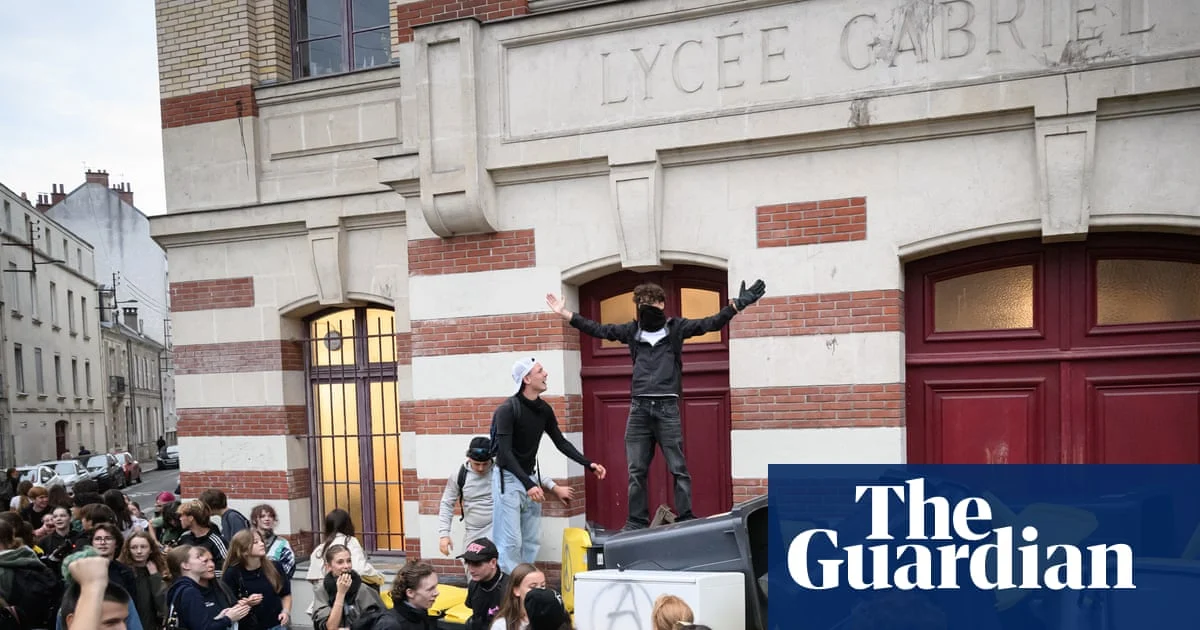
More than 400 people were detained in France on Tuesday after students across the country blockaded schools in protest over class sizes, teaching schedules, and staffing shortages. Authorities confirmed the detentions followed clashes between police and teenagers at multiple locations.
Interior Minister Laurent Nunez provided the figures to BFM TV, stating that 440 individuals were taken into custody nationwide and that roughly two-thirds of those detainees were processed through formal police custody procedures. The protests involved widespread school occupations and roadside blockades as students voiced frustration with conditions in the French education system.
Key Facts
- 440 people detained across France during student protests.
- Detentions occurred after students blockaded schools nationwide.
- Protests addressed class sizes, teacher shortages, and long timetables.
- Most detainees were children or teenagers.
- Roughly two-thirds of detainees entered police custody.
What Triggered the Protests
The student protests in France stemmed from longstanding concerns about overcrowded classrooms, insufficient teaching staff, and demanding school schedules that many students and parents view as contributing to burnout and reduced learning quality. These issues have simmered for years, particularly in urban areas where class sizes often exceed recommended limits and schools struggle to fill vacant teaching positions.
While education policy grievances are not new, the scale of Tuesday’s demonstrations marked a significant escalation. Students organized blockades at numerous schools simultaneously, disrupting classes and drawing attention to what they describe as systemic failures in public education. The response from law enforcement also intensified compared to previous smaller-scale demonstrations.
Government officials have previously acknowledged challenges in recruiting and retaining educators, especially in underserved communities. However, until now, student activism had largely remained localized or symbolic rather than triggering such widespread confrontations with police.
Who Is Affected by the Clashes
Students formed the bulk of those detained, with authorities noting that most individuals placed in custody were minors. Families, teachers, and school administrators were also impacted by the disruption as campuses became sites of protest rather than learning environments. Parents expressed concern over safety and missed instructional time, while some educators supported student demands and others faced pressure from both sides.
The detentions extended beyond just high school pupils; college-age demonstrators participated too, adding generational diversity to the movement. Community members watching the events unfold voiced varying reactions—some backing the students’ right to protest, while others criticized the violence accompanying some of the demonstrations.
School districts now face pressure to address logistical fallout, including rescheduling exams, managing parent communications, and ensuring orderly reopenings once tensions subside.
What Happens Next
Following the wave of arrests, authorities will likely review cases involving detained students to determine whether charges should be filed or if alternative disciplinary measures apply given the youth demographics involved. Legal proceedings may unfold slowly due to administrative backlogs and questions surrounding appropriate responses to juvenile political expression.
Educational policymakers might convene emergency meetings within days to assess how to respond to demonstrators’ core complaints without legitimizing unlawful assembly tactics. Prior instances of mass youth mobilization in France suggest that sustained dialogue—rather than punitive action alone—could prove more effective at defusing underlying discontent among younger generations.
Meanwhile, unions representing teachers and support staff may weigh involvement depending on whether broader labor disputes align with student priorities. Any formal negotiations would need careful framing to distinguish between peaceful advocacy and acts deemed destructive by officials responding to property damage reports linked to certain protest sites.
What We Know — and What We Don’
Verified by the source:
- 440 people were detained during protests across France.
- Students blockaded schools to protest class sizes, schedules, and staff shortages.
- The interior minister confirmed two-thirds of detainees went to police custody.
- Most detainees were described as children or teenagers.
Still unconfirmed:
- No exact date beyond “Tuesday” was specified in detail.
- Casualty counts or injuries among protesters or officers remain unknown.
- Specific schools or regions where clashes occurred have not been named.
- Whether any formal charges will result from the detentions is unclear.
- Official government replies beyond the interior minister’s comments are absent.
Why It Matters
Student-led unrest in France reflects broader public dissatisfaction with national institutions—particularly regarding access to quality education. With youth increasingly vocal on social platforms about inequality and governance failings, movements like these signal potential shifts in civic engagement patterns that political leaders cannot ignore indefinitely.
What To Watch
Watch whether further rallies emerge this week and if educational authorities announce concrete reforms aimed at addressing root causes behind the unrest. Updates on legal outcomes related to detained participants are also expected soon.
More than 440 people were detained Tuesday during French student protests over class sizes, schedules, and staffing shortages. Most detainees were minors.
Read more: Politics | War & Geopolitics