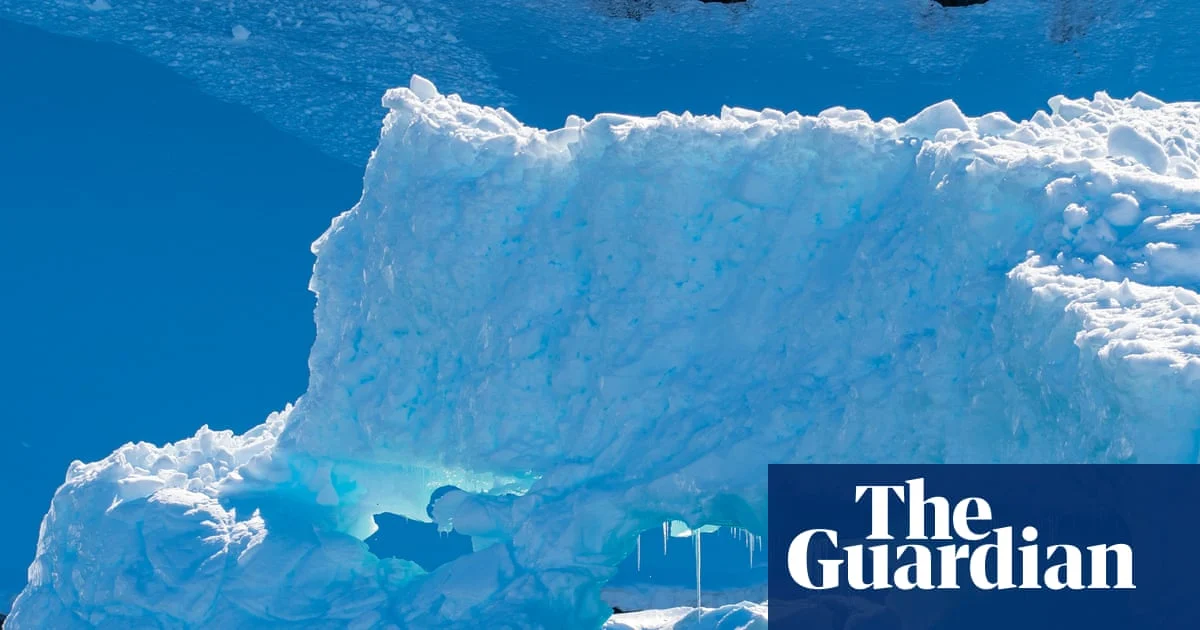
Antarctic winter sea ice has reached its third-lowest level on record, underscoring accelerating environmental changes in the region. Scientists have confirmed the latest measurements, noting the decline continues a troubling recent trend.
Sea ice coverage fell a million square kilometres short of the long-term average, an area roughly equivalent to almost 400,000 square miles. This shortfall underscores the scale of the environmental shift occurring in one of Earth’s most remote and climate-sensitive regions.
Key Facts
- Antarctic winter sea ice fell to its third-lowest level on record.
- Coverage is a million square kilometres below the long-term average.
- Global heating is likely driving the sea ice losses.
- The four lowest years on record have all occurred within the past four years.
- Sea ice supports marine life and stabilises the planet’s climate.
The Story
Why this matters for global climate
Antarctic sea ice plays a vital role in regulating the Earth’s climate system. It reflects sunlight back into space and supports global ocean currents. When sea ice declines, darker ocean waters absorb more heat, accelerating warming in a feedback loop. Scientists have pointed to global heating as the likely driver behind the recent losses.
The confirmation of the peak means the four lowest years on record for sea ice extent have all occurred within the past four years. This clustering raises concerns about whether the region is entering a new, lower baseline rather than experiencing temporary fluctuations. Marine ecosystems that depend on sea ice for food and habitat are also at risk.
What happens next?
Scientists continue to monitor sea ice coverage throughout the seasons. The coming months will reveal whether the low levels persist into the next freezing period or recover slightly. Long-term data collection remains critical for understanding whether this is part of a sustained trend.
Research expeditions and satellite observations help track changes in real time. International climate bodies rely on such data to assess progress toward global climate goals. The loss of Antarctic sea ice adds urgency to worldwide efforts to curb emissions.
What We Know — and What We Don’t
Verified by the source:
- The recent winter peak was the third-lowest level recorded.
- Coverage was a million square kilometres below average.
- Scientists are warning of a climate problem caused by global heating.
Still unconfirmed:
- The exact dates when measurements were taken remain unspecified.
- Causes beyond global heating have not been ruled out.
- Long-term recovery projections are not provided in the report.
Why It Matters
The loss of Antarctic sea ice signals broader changes affecting global weather patterns and sea levels. For readers worldwide, it highlights the immediate impact of climate change on fragile ecosystems and reinforces the importance of reducing greenhouse gas emissions.
What To Watch
Followers of SourceRated’s climate environment coverage can expect updates as new satellite data emerges. The next seasonal ice maximum will provide clearer signs of whether this downturn becomes the new norm.
The Antarctic ice situation is also tracked alongside developments in scientific research, where new technologies continue improving climate monitoring capabilities.