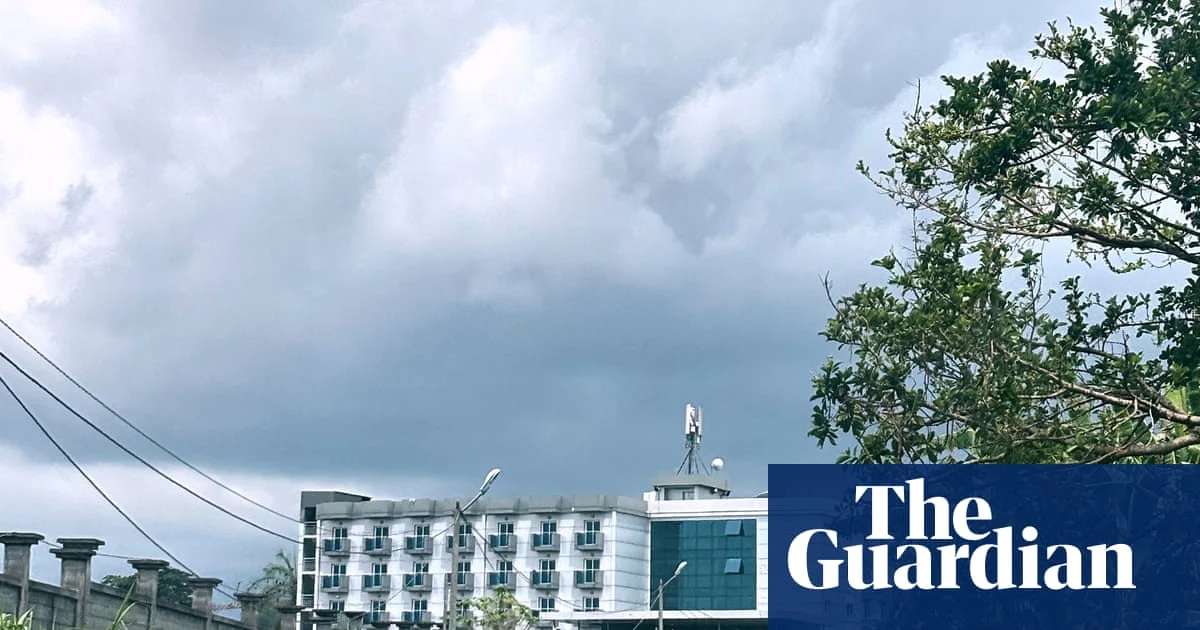
Two US deportees were bound, blindfolded, beaten, and thrown down stairs at a Malabo hotel after reporting abuse, according to witnesses and human rights lawyers.
One man from Egypt and one from Eritrea were taken to a local prison, while roughly 30 others remain trapped at Hotel Bamy following their removal from the US under the Trump administration.
KEY FACTS
- Two US deportees were bound, blindfolded, and beaten in Equatorial Guinea.
- The victims were from Egypt and Eritrea.
- They were beaten after speaking to press and human rights advocates.
- About 30 US deportees remain trapped at Hotel Bamy.
- The hotel is located on the outskirts of Malabo.
The Reported Abuse of US Deportees
According to witnesses, the two men were punished after disclosing poor conditions and violence to journalists and advocacy groups.
Detainees now report ongoing psychological trauma and fear further retaliation.
The Trump-era policy led to their removal, but details of legal protections remain unclear.
Who Is Affected and Conditions Inside
The detained group includes individuals from multiple nationalities, all removed from the US and held at a hotel used as a detention facility.
Rights groups have repeatedly flagged dangerous overcrowding and abuse in such settings, though independent access remains restricted.
The victims are currently imprisoned, with no confirmed release timeline provided by authorities.
What Happens Next?
Legal representatives are pursuing accountability for the assaults and advocating for the release of remaining detainees.
Human rights organizations are urging international monitoring of the case.
WHAT WE KNOW & WHAT WE DON’T
Verified by the source:
- Two US deportees were bound, beaten, and thrown down stairs in Equatorial Guinea.
- The men were from Egypt and Eritrea.
- Roughly 30 deportees remain trapped at Hotel Bamy near Malabo.
- The beatings occurred after the victims spoke to media and human rights advocates.
Still unconfirmed:
- Exact dates of the deportations or assaults.
- Precise number or identities of survivors.
- Official response from Equatorial Guinea or the US government.
- Legal status or future of remaining detainees.
Why It Matters
This case highlights ongoing concerns over the treatment of deported migrants and gaps in international oversight of detention conditions.
Public pressure may increase scrutiny of deportation policies linked to abuse abroad.
WHAT TO WATCH
Further developments will depend on diplomatic responses and continued advocacy by legal and human rights groups.