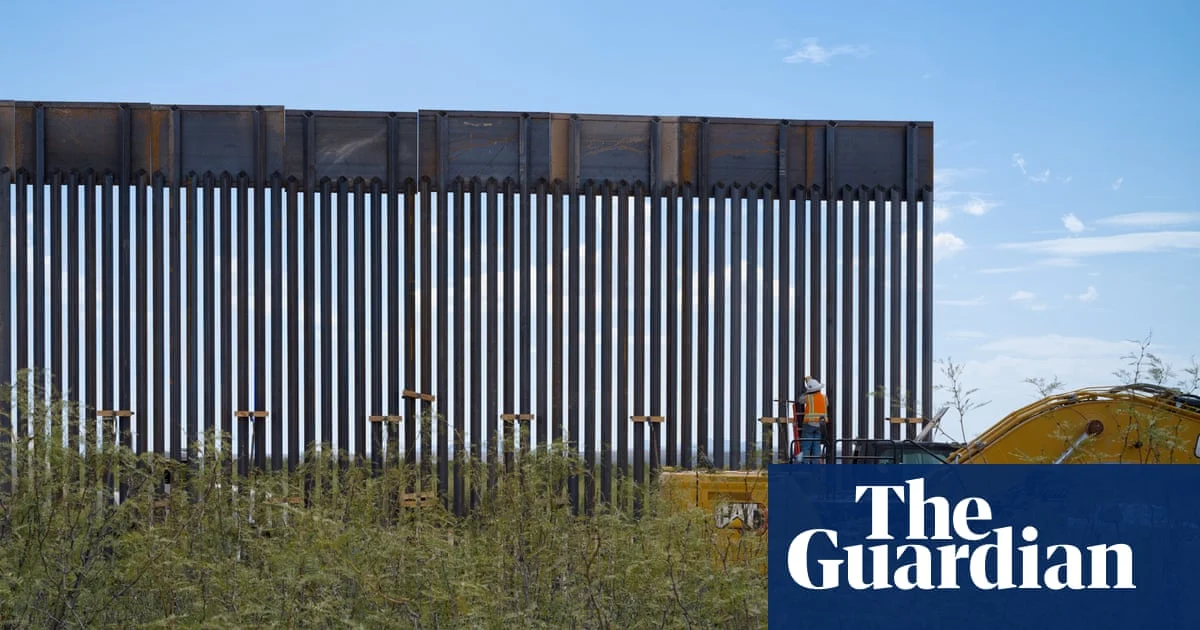
The Trump administration is pressing ahead with construction of a controversial border wall in the Big Bend region of west Texas, despite bipartisan pushback from local leaders and landowners. Construction began this week in Hudspeth county, just east of El Paso, as Customs and Border Protection seeks to erect a 30ft steel bollard wall along the U.S.-Mexico border.
CBP has been reaching out to landowners in the area, offering signing bonuses to encourage voluntary access agreements and avoid the use of eminent domain. The fast-moving plans have drawn sharp criticism from community members and elected officials who argue the wall threatens sensitive environmental and cultural sites within the region.
Key Facts
- Construction of a border wall has begun in Hudspeth county, Texas.
- CBP is constructing a 30ft steel bollard wall in the area.
- Local leaders and landowners are opposing the project.
- CBP is offering signing bonuses to avoid eminent domain.
Border Wall Construction Moves Forward
The start of construction in Hudspeth county marks a renewed push by the Trump administration to fulfill its signature campaign promise of securing the southern border. Hudspeth county, located near El Paso, sits along a stretch of the Rio Grande and has become a focal point for the latest phase of wall deployment. Customs and Border Protection confirmed that the structure will consist of steel bollards standing 30ft tall, designed to prevent illegal crossings while allowing visibility for patrol units.
The decision to move forward comes after months of legal and logistical challenges, including lawsuits filed by conservation groups and tribal organizations concerned about damage to protected lands. Despite these obstacles, federal agencies have ramped up efforts to complete new barriers before the end of the administration’s term.
Who Is Affected by the Plan?
Landowners in Hudspeth county have found themselves at the center of a difficult negotiation process. CBP has approached property holders with offers that include financial incentives for granting access, aiming to sidestep the contentious route of seizing land through eminent domain. However, some locals have rejected these proposals, citing distrust of federal intentions and worry over long-term impacts on agriculture and tourism.
Local elected officials, including county commissioners, have voiced strong reservations about the project. Many argue that the wall serves more of a symbolic purpose than a practical one, pointing to declining rates of unlawful border crossings in recent years. Environmental advocates have also raised alarms about potential harm to wildlife corridors and sacred sites located near the proposed route.
How Did We Get Here?
The effort to build barriers along the U.S.-Mexico border gained momentum early in the Trump administration, with repeated calls for Congress to fund extensive wall construction. When legislative funding fell short, the administration redirected military funds and declared a national emergency to unlock additional resources. That emergency declaration was later blocked by the Supreme Court, but construction continued under separate appropriations and emergency authority frameworks.
The Big Bend region, known for its remote desert landscape and international river access points, has seen limited prior wall development compared to urban sectors further east. Bringing new barriers to this area represents both a strategic expansion and a politically charged test of the administration’s commitment to completing its signature infrastructure pledge ahead of the 2026 election cycle.
What We Know — and What We Don’t
Verified by the source:
- Construction began in Hudspeth county, Texas, this week.
- The planned wall will be 30ft tall and made of steel bollards.
- CBP offered signing bonuses to landowners to avoid eminent domain.
- Bipartisan local backlash includes leaders and landowners.
Still unconfirmed:
- Exact timeline for project completion.
- Total number of affected landowners or properties.
- Final cost of the current phase of construction.
- Specific terms of compensation or bonus amounts offered.
Why It Matters
Border wall construction remains one of the most polarizing issues in American politics, reflecting broader debates over immigration policy, resource allocation, and federal land use. For residents living near the southern boundary, the stakes are deeply personal—ranging from property rights and economic impact to concerns about sovereignty and safety. The outcome of this dispute may influence how future administrations approach large-scale infrastructure projects tied to national security priorities.
What To Watch
Observers are watching whether CBP can secure enough voluntary agreements to proceed without invoking eminent domain. Updates on funding decisions and court rulings could reshape the path forward for border infrastructure efforts, especially as the administration nears its final months in office.
The Trump administration’s border wall push is reshaping how the U.S. approaches infrastructure investment and cross-border management, according to war-geopolitics coverage. Stay informed through our politics archive for ongoing developments.