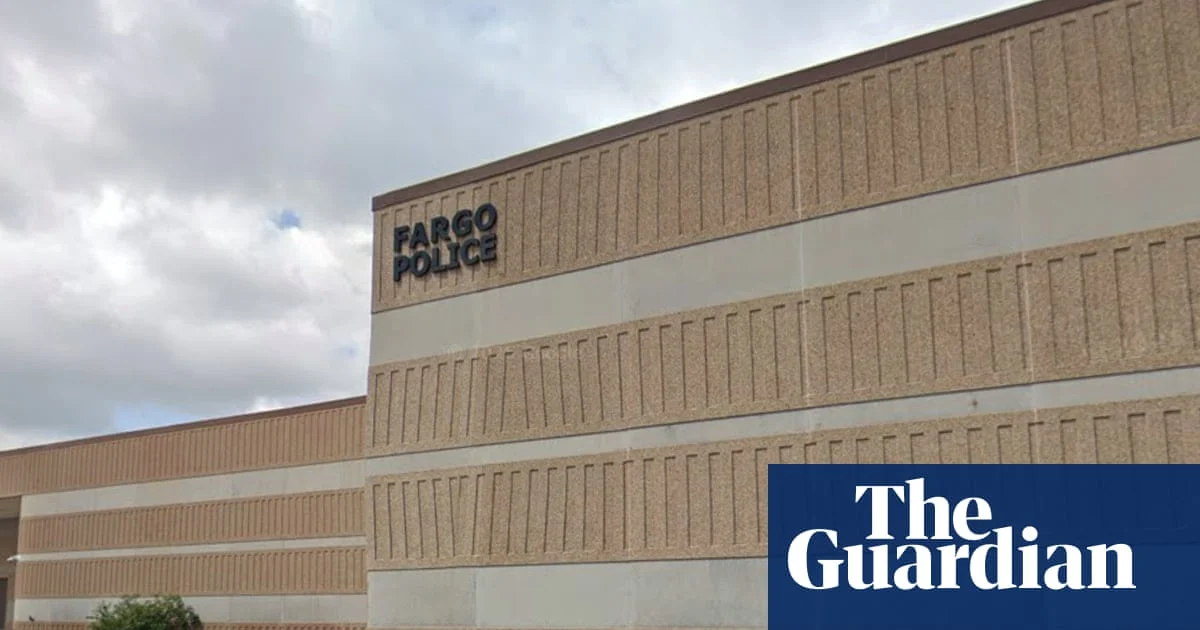
Tennessee woman Angela Lipps has sued Fargo police for $10 million in damages, alleging her wrongful arrest relied on AI facial recognition technology. She claims she was falsely charged with bank theft in North Dakota and spent months in jail before the case was dropped.
Lipps was arrested at gunpoint at her Tennessee home in July and booked into jail without bail. She remained there for nearly four months awaiting extradition to North Dakota, where she was held for an additional two months before being released.
KEY FACTS:
• Angela Lipps of Tennessee filed a $10 million federal lawsuit
• She alleges Fargo police wrongly used AI facial recognition tools
• She was arrested at gunpoint in Tennessee in July
… for a North Dakota bank theft she denies committing
• She spent nearly four months jailed without bail awaiting extradition
How did we get here?
A growing number of U.S. law enforcement agencies have adopted AI-powered facial recognition systems to assist in identifying suspects. These tools scan surveillance footage or booking photos and generate potential matches using machine learning algorithms. However, civil rights advocates have raised concerns about accuracy, particularly for women and people of color, who studies have shown may experience higher false-positive rates. Lipps’ lawsuit highlights ongoing tensions between public safety goals and digital surveillance technologies.
What happens next?
The case now moves to federal court, where Lipps’ legal team will seek damages from the city of Fargo and individual officers. Her lawsuit argues that reliance on flawed AI technology violated her constitutional rights. Legal experts say similar cases could shape future policies governing police use of AI tools. No court dates or decisions have been publicly announced yet.
WHAT WE KNOW — AND WHAT WE DON’T
Verified by the source:
• Angela Lipps is 50 years old
• She filed a lawsuit in federal court
• The lawsuit seeks $10 million in damages
• She was arrested in July
• She was jailed without bail for nearly four months
Still unconfirmed:
• Whether the facial recognition system was independently tested or validated
• Whether the original bank theft suspect was ever identified
• Details about why bail was denied
• Any official statements from Fargo police or city officials
Why it matters
AI facial recognition is increasingly used by law enforcement across the U.S., raising new questions about justice, bias, and accountability in policing. Lipps’ lawsuit underscores the risks when automated systems intersect with the legal system.
What to watch
Legal experts will monitor whether the federal court allows the case to proceed, which may set precedent for other wrongful arrest claims tied to AI technology.