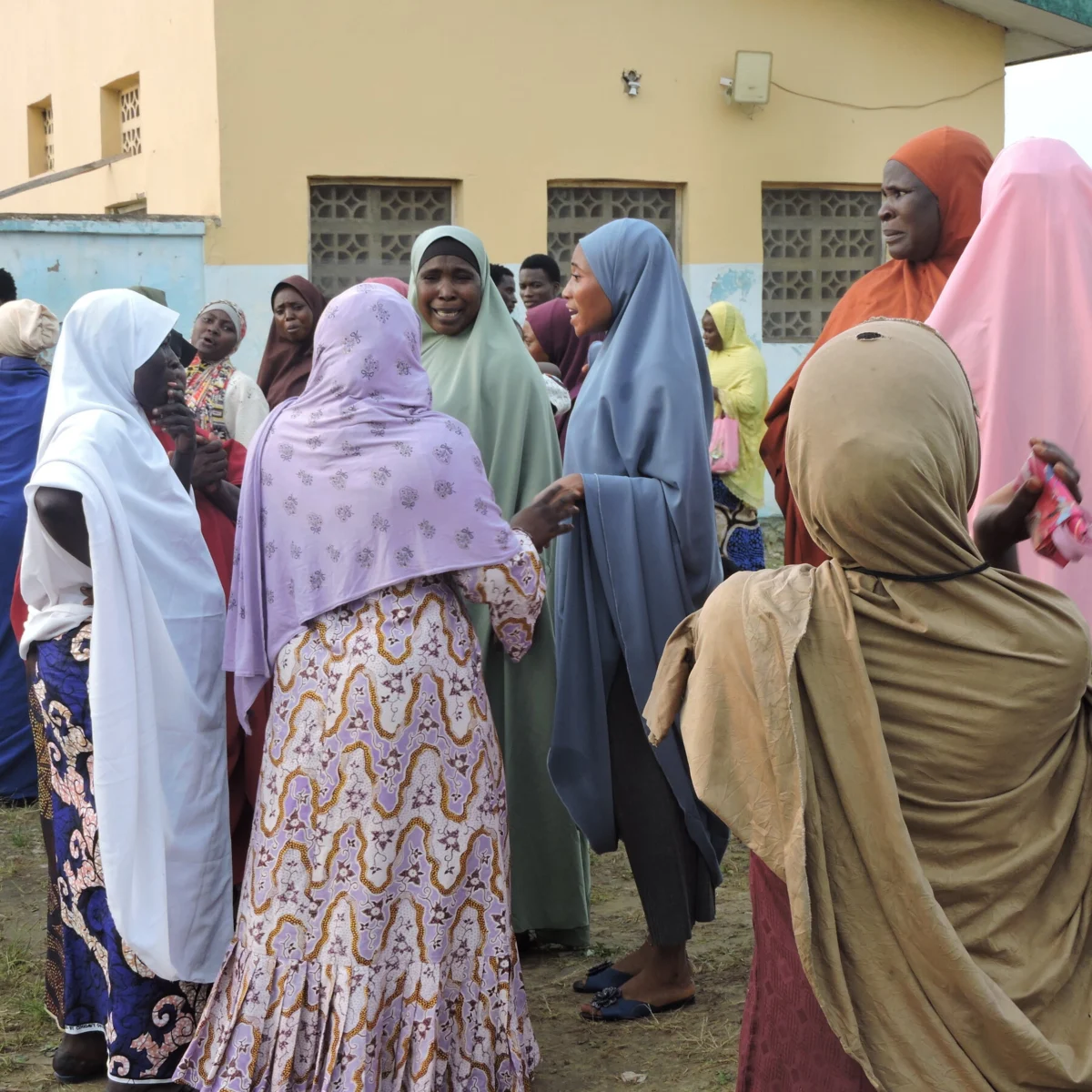
Nigeria protests erupted after police detained 66 miners in a single cell, leading to dozens of deaths attributed to suffocation, starvation, and lack of water. According to the New York Times, 37 people died while in custody, prompting public outrage and demonstrations. The incident has intensified scrutiny over police treatment of detainees and human rights conditions in Nigeria.
Survivors described being packed into an overcrowded cell with minimal ventilation, food, or access to water. They reported that individuals began collapsing and dying inside the facility. No official statements or names of involved officers were provided in the report. Public anger reflects longstanding concerns about accountability in law enforcement and custodial deaths across the country.
KEY FACTS
- 37 people died in authorities’ custody.
- Survivors said the cell held 66 miners.
- The cell had barely any ventilation, food, or water.
- People began “collapsing and dying,” survivors said.
- Protests erupted following the incident.
THE STORY
Who is affected?
The affected group consists of miners who were detained by police and held in a overcrowded cell. Their families and fellow community members are among those protesting. At least 37 individuals died while in custody, according to officials cited by the source. Survivors recounted dire conditions including lack of basic necessities such as food, water, and air.
Conditions inside the cell appear to have contributed to multiple deaths. With 66 people confined in one space, movement was restricted, and ventilation was inadequate. Some survivors reported witnessing others collapse and perish due to what they described as neglect. These allegations raise urgent questions about detention protocols and oversight within Nigeria’s security forces.
The deaths have sparked widespread anger. Many Nigerians view this case as emblematic of broader systemic failures in policing and governance. Civil society groups, activists, and ordinary citizens have taken to the streets demanding justice. Protests serve both as mourning and as calls for urgent reform.
What happens next?
As Nigeria protests continue, calls grow louder for transparent investigations and reforms in police custody standards. Citizens are pressing authorities for clarity on who authorized mass detentions and whether those responsible will face consequences. Activists demand independent oversight and structural changes to prevent future tragedies.
While protests persist, attention turns to whether the government will launch formal inquiries or implement new detention guidelines. Legal experts note that custodial deaths often go unpunished unless public pressure forces action. The outcome may shape how security agencies handle future arrests and detainees moving forward.
How did we get here?
The arrest of 66 miners led to their being placed together in one cell. Overcrowding and lack of infrastructure likely worsened rapidly. Within hours or days, survivors claim dozens began dying from dehydration, heat exhaustion, and suffocation. Official acknowledgment of fatalities came only after the fact, fueling suspicions of cover-ups.
Historically, similar incidents involving prolonged detention without adequate care have occurred but rarely resulted in meaningful accountability. This case stands out because of its scale and visibility via media coverage. Social media amplified survivor testimonies, galvanizing nationwide demonstrations under banners of justice and dignity.
Understanding the broader context requires recognizing patterns in Nigerian policing. Critics say excessive use of force, arbitrary arrests, and poor prison conditions remain endemic. Reforms promised after previous unrest have yet to deliver lasting change for many communities.
WHAT WE KNOW — AND WHAT WE DON’T
Verified by the source:
- At least 37 people died in police custody.
- Police packed 66 miners into a single cell.
- Survivors reported lack of ventilation, food, and water.
- People began collapsing and dying during detention.
- Public protests followed the reported deaths.
Still unconfirmed:
- The exact location and facility where detainees were held.
- Names or titles of police officials involved.
- Timeline of events leading to the deaths.
- Causes of death as determined by medical examiners.
- Number of survivors or injured individuals.
WHY IT MATTERS
This incident underscores ongoing challenges related to human rights and law enforcement accountability in Nigeria. For global readers, it highlights how custodial abuse can trigger mass unrest when left unchecked. Understanding Nigeria protests helps contextualize struggles for justice in societies grappling with weak institutions and historical impunity. Explore more developments in our war-geopolitics section.
WHAT TO WATCH
Future developments depend on whether authorities initiate credible investigations and release detailed records. Continued Nigeria protests may influence upcoming legislative discussions around police reform and detention laws. Monitor our politics coverage for updates on government responses.