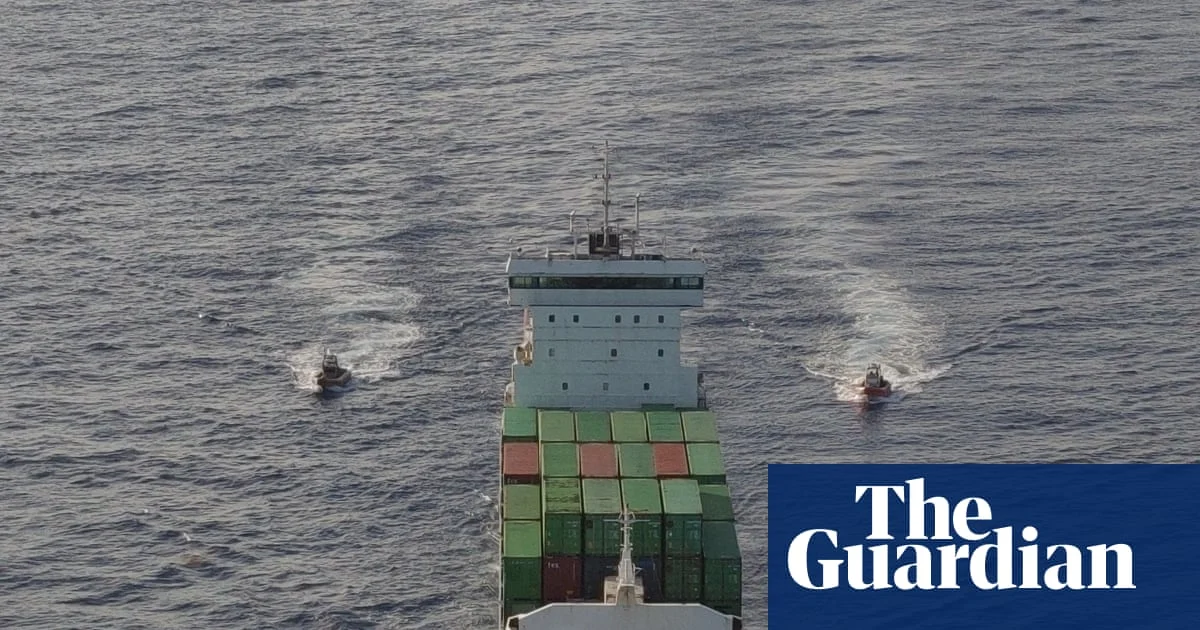
The US Coast Guard announced that it intercepted a cargo ship carrying fuel bound for Cuba. The vessel, named Grace, was reportedly stopped in the Caribbean Sea while using evasion tactics associated with so-called ‘dark fleet’ operations, continuing US efforts to enforce restrictions on Cuban energy imports.
The boarding reflects the ongoing policy of limiting fuel supplies to Cuba, part of broader economic sanctions maintained by successive US administrations. The intercepted vessel Grace, approximately 91 metres long, was reportedly en route between Cuba and Mexico when authorities intervened. Coastal authorities stated the ship was later taken to Mexico following the boarding operation.
Key Facts
- Date:
5 September - Location:
Caribbean Sea - Ship name:
Grace - Ship length:
91 metres - Evasion method:
dark fleet tactics
The Story
How Did US-Cuba Fuel Restrictions Evolve?
The embargo targeting Cuban energy imports has been reinforced under multiple US administrations. Originally imposed decades ago, these measures aim to restrict maritime trade routes supplying fuel to the island. Intercepting vessels attempting to circumvent these policies has become part of broader enforcement strategies.
The term ‘dark fleet’ refers to ships that disable or spoof their transponders to avoid detection by maritime monitoring systems. These tactics complicate lawful tracking and interception by coast guards or navies. The use of such methods underscores the challenges faced by agencies enforcing sanctions.
In this case, the vessel Grace reportedly employed evasion measures prior to being boarded. While details remain sparse, its capture represents another instance where authorities targeted suspected illicit fuel transfers. Such actions align with historical precedents of interdictions aimed at deterring supply chains supporting restricted economies.
Who Is Affected by Fuel Interceptions?
Interceptions like the one involving Grace directly impact entities engaged in unauthorized fuel shipments. Companies or governments relying on covert deliveries risk losing vessels or facing diplomatic repercussions. Coastal states enforcing blockades benefit from increased control over regional waters.
For Cuba, restricted fuel access can strain domestic energy infrastructure and public services dependent on reliable power generation. Economic sectors requiring consistent fuel inputs may experience disruptions. However, broader geopolitical implications also arise when third-party actors are implicated in facilitating transport.
Mexico’s role as recipient of the seized vessel introduces potential diplomatic considerations. As host nation to the intercepted ship, Mexican authorities would likely conduct investigations into compliance with international maritime law. Coordination between US and Mexican agencies could influence future enforcement patterns across the Caribbean corridor.
What Happens Next After Seizure?
Following seizure, investigations typically assess cargo legitimacy and crew conduct. Authorities examine whether proper documentation existed for any claimed innocent passage through contested zones. Penalties might include fines, detention periods, or rerouting of vessels depending on findings.
Captain and crew members often undergo interviews regarding route planning and communication protocols used during transit. Discrepancies in reported destinations versus actual courses can trigger further scrutiny under anti-smuggling statutes. Evidence gathered informs prosecutorial decisions or administrative sanctions.
Legal proceedings usually involve multiple jurisdictions, especially when foreign ports or flagged vessels are involved. Outcome determinations depend on cooperative agreements between affected nations. Delays in resolution sometimes allow temporary continued operation pending formal adjudication. Transparency throughout remains essential for maintaining trust among stakeholders impacted by rulings.
What We Know — and What We Don’t
Verified by the source:
- US Coast Guard intercepted a ship named Grace carrying fuel to Cuba.
- The ship was stopped on 5 September in the Caribbean Sea.
- The vessel used ‘dark fleet’ tactics to evade authorities.
- The ship was later taken to Mexico after boarding.
Still unconfirmed:
- Exact identity or flag state of the vessel Grace.
- Nationality of the crew aboard the ship.
- Volume of fuel allegedly destined for Cuba.
- Official response from Cuban or Mexican authorities.
- Precise coordinates or timing beyond the date provided.
Why It Matters
This seizure demonstrates how maritime interdiction plays a central role in enforcing economic sanctions. With growing reliance on indirect shipping routes, oversight mechanisms face increasing pressure to detect and respond swiftly. Public awareness of such incidents helps contextualize the wider consequences of longstanding policy frameworks affecting millions daily.
Explore more developments in global conflict dynamics under our war-geopolitics section, or track shifting alliances shaping trade flows via economy and markets.
What To Watch
Further statements from US Coast Guard leadership and Mexican port officials may clarify procedural steps taken post-interception. Updates will emerge as legal reviews proceed and potential diplomatic responses develop.
- Metatags: US Coast Guard, Cuba, fuel embargo